
Death Valley National Park
Make your way through Death Valley National Park from as far as Ubehebe Crater to the Amargosa Opera House and you will strike gold. There’s so much natural beauty to discover in this desert. When you are here, you will wish for more time in the day between sunrise and sunset. Be sure to factor in the time it takes to travel from place to place. Take a jeep if you can as you will be very glad you did. It allows access to certain areas and makes it easier to navigate narrow, rocky, two-way paths leading to trailhead like Titus Canyon.
Depending on when you visit Death Valley, prepare for the diverse climate and bring plenty of water to drink. We went in November, when the days were warm and comfortable. However, if you visit the Mesquite Flat Sand Dunes on a sunny day with no shade, be mindful of how far you wander as it’s easy to get caught up in the mesmerizing beauty of the rippled sand. A light jacket or sweatshirt was sufficient for us, but the nights were much colder. Definitely make time for stargazing, especially as you distance yourself from city lights and traffic. The shooting stars and constellations are stunning.
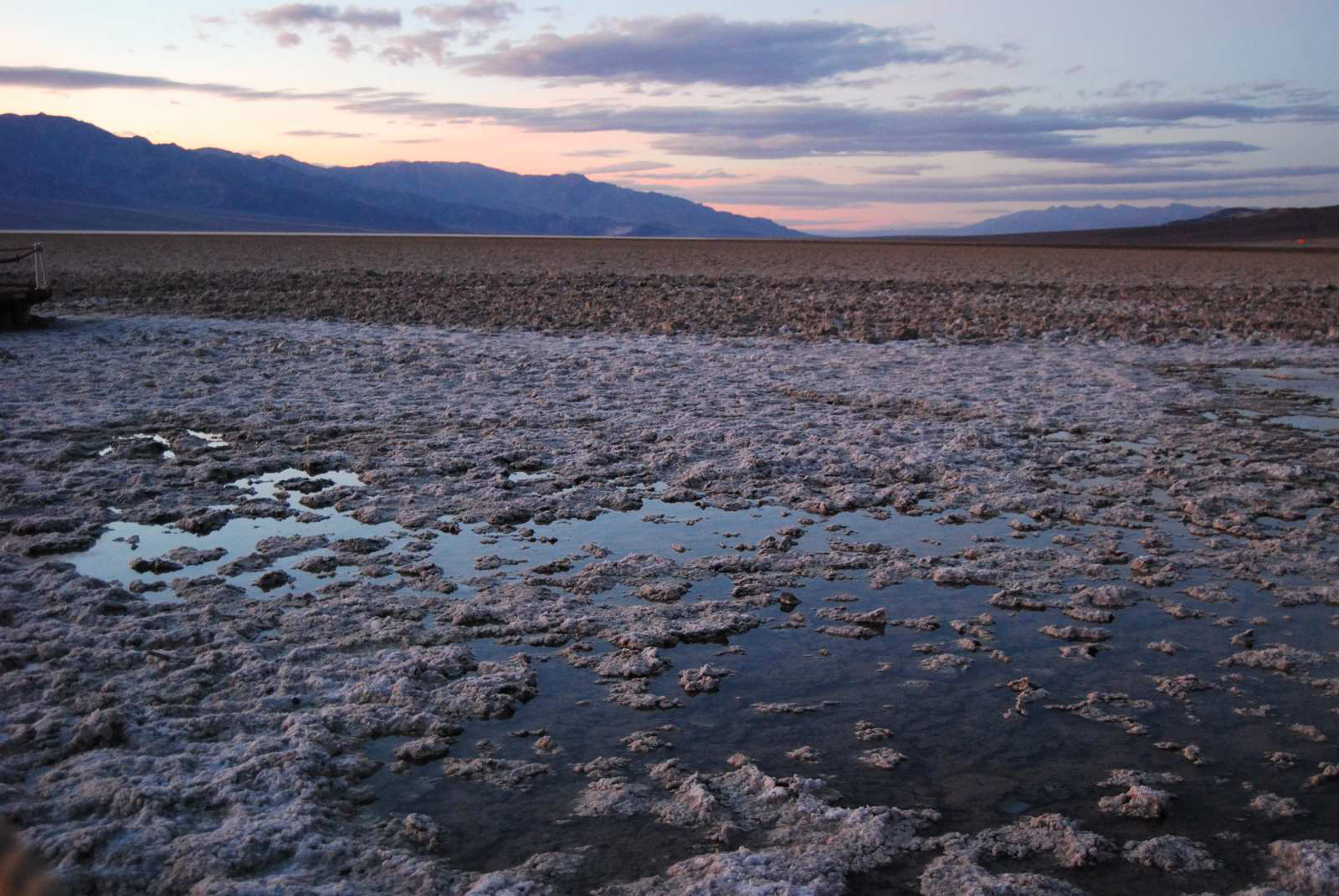
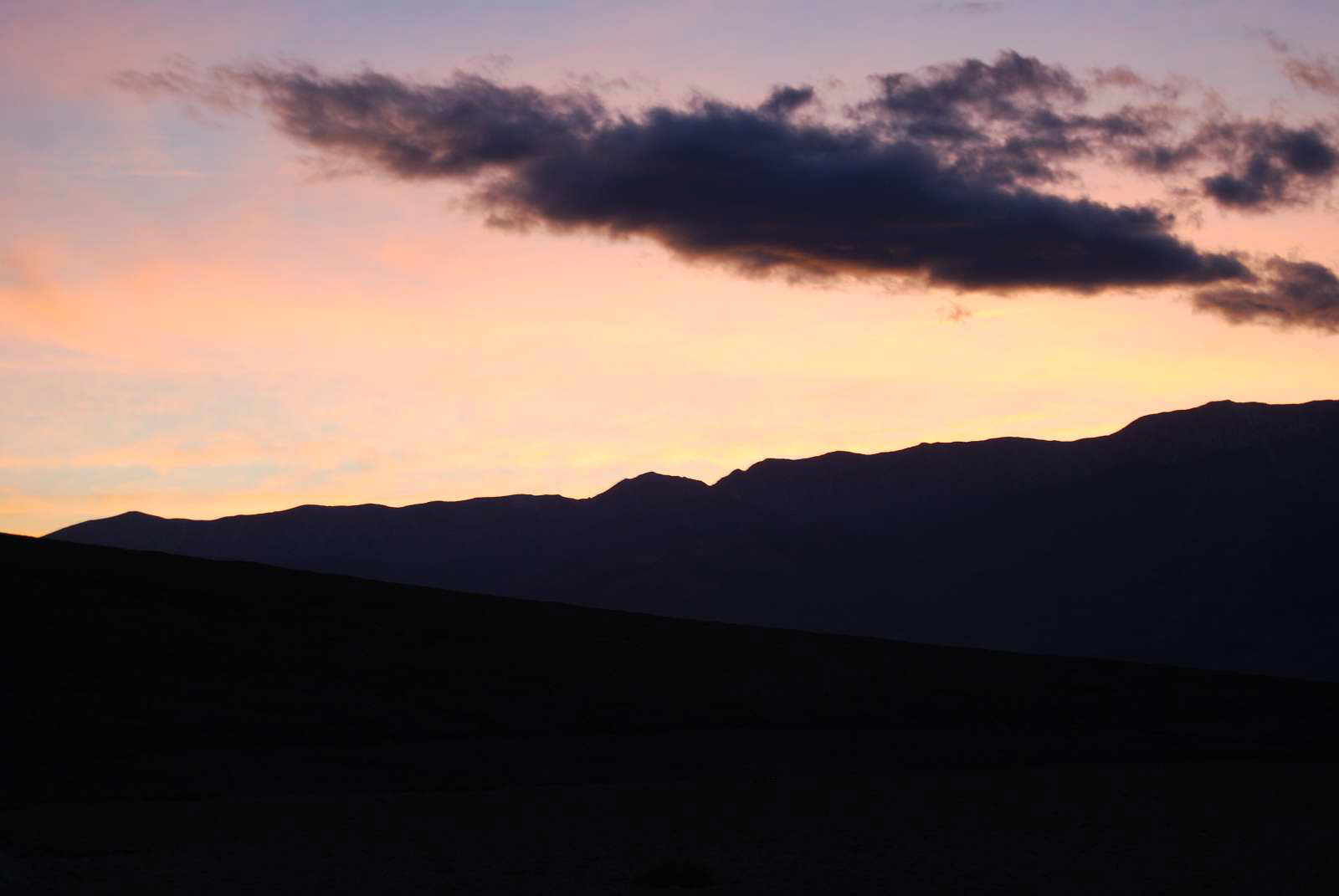
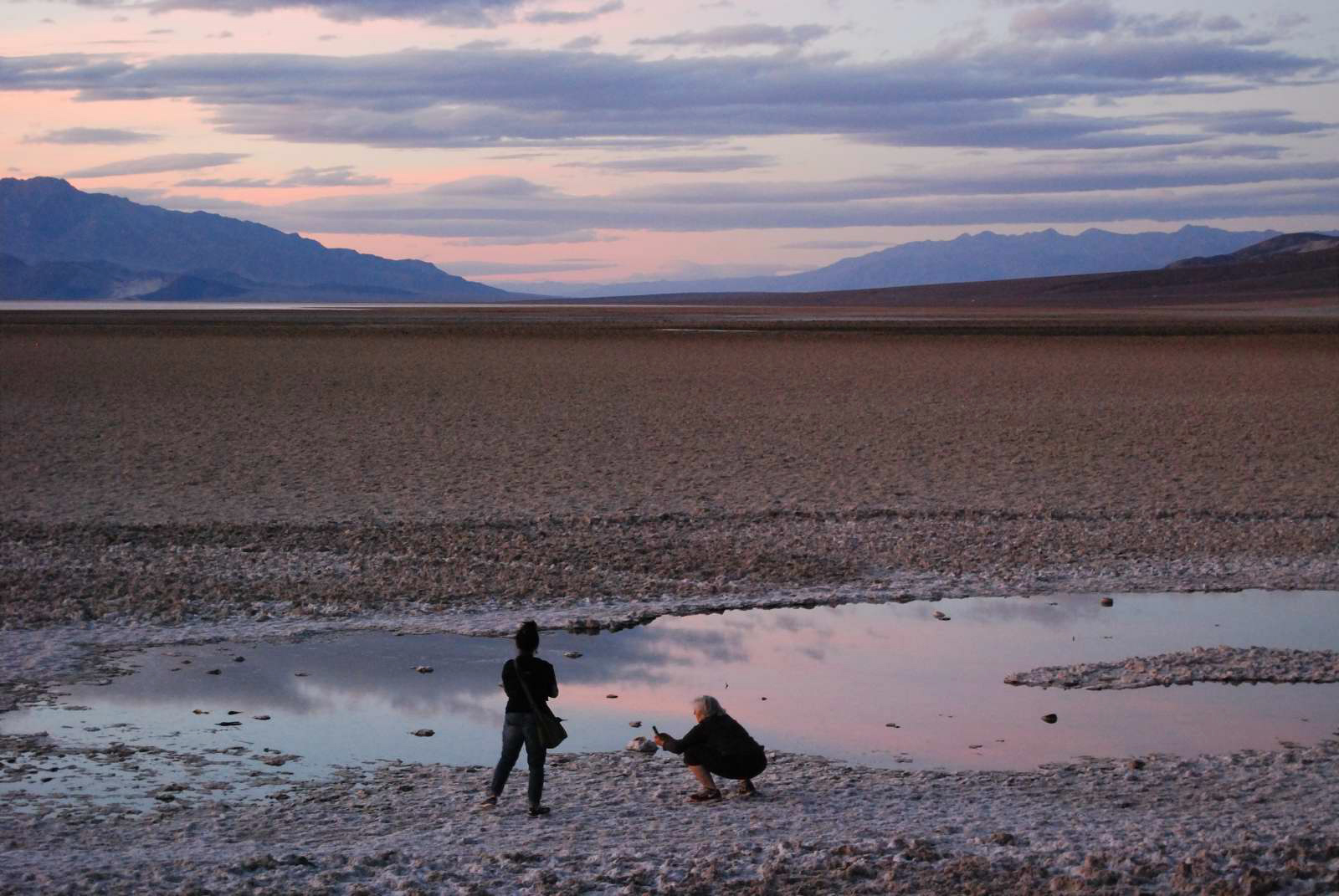
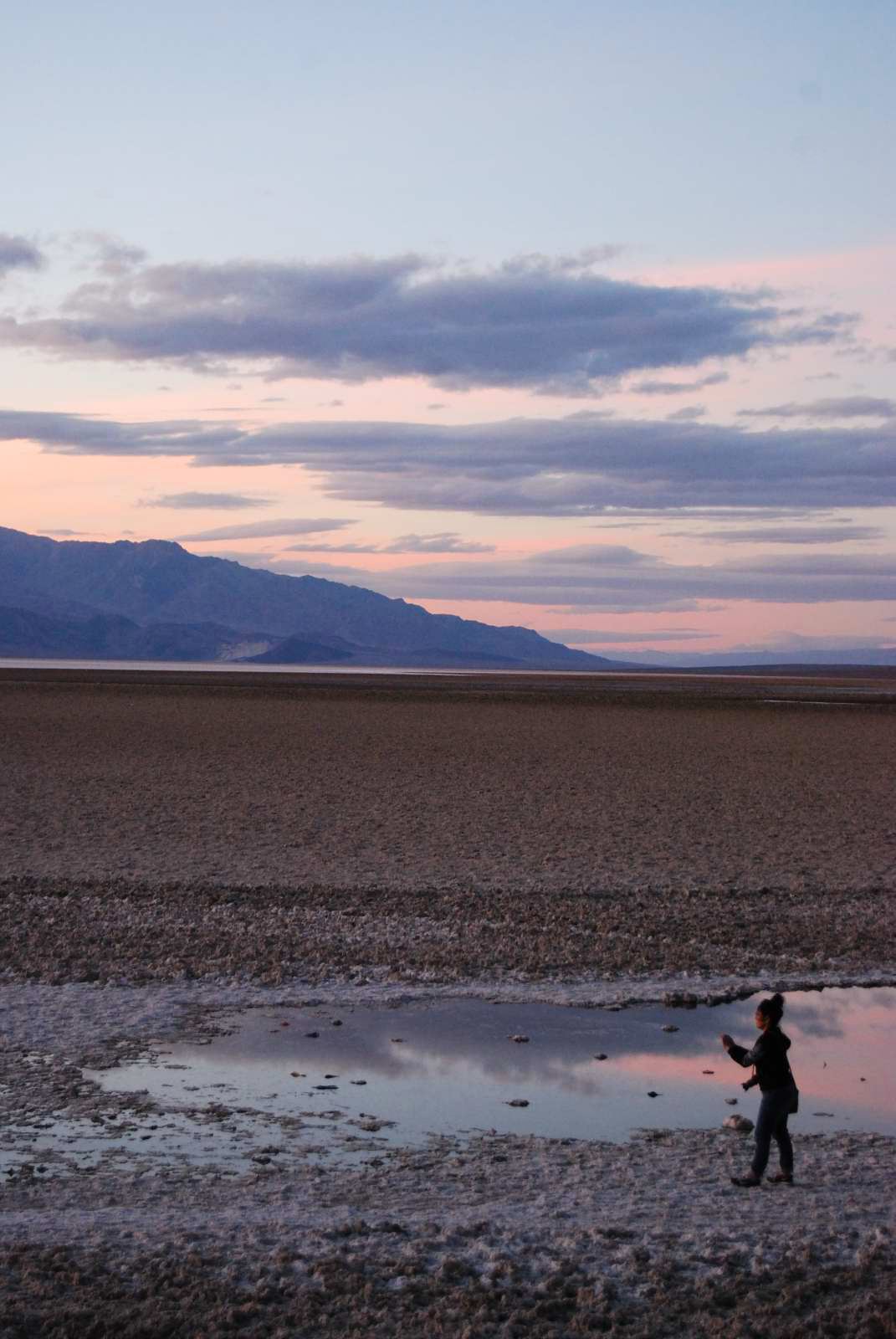
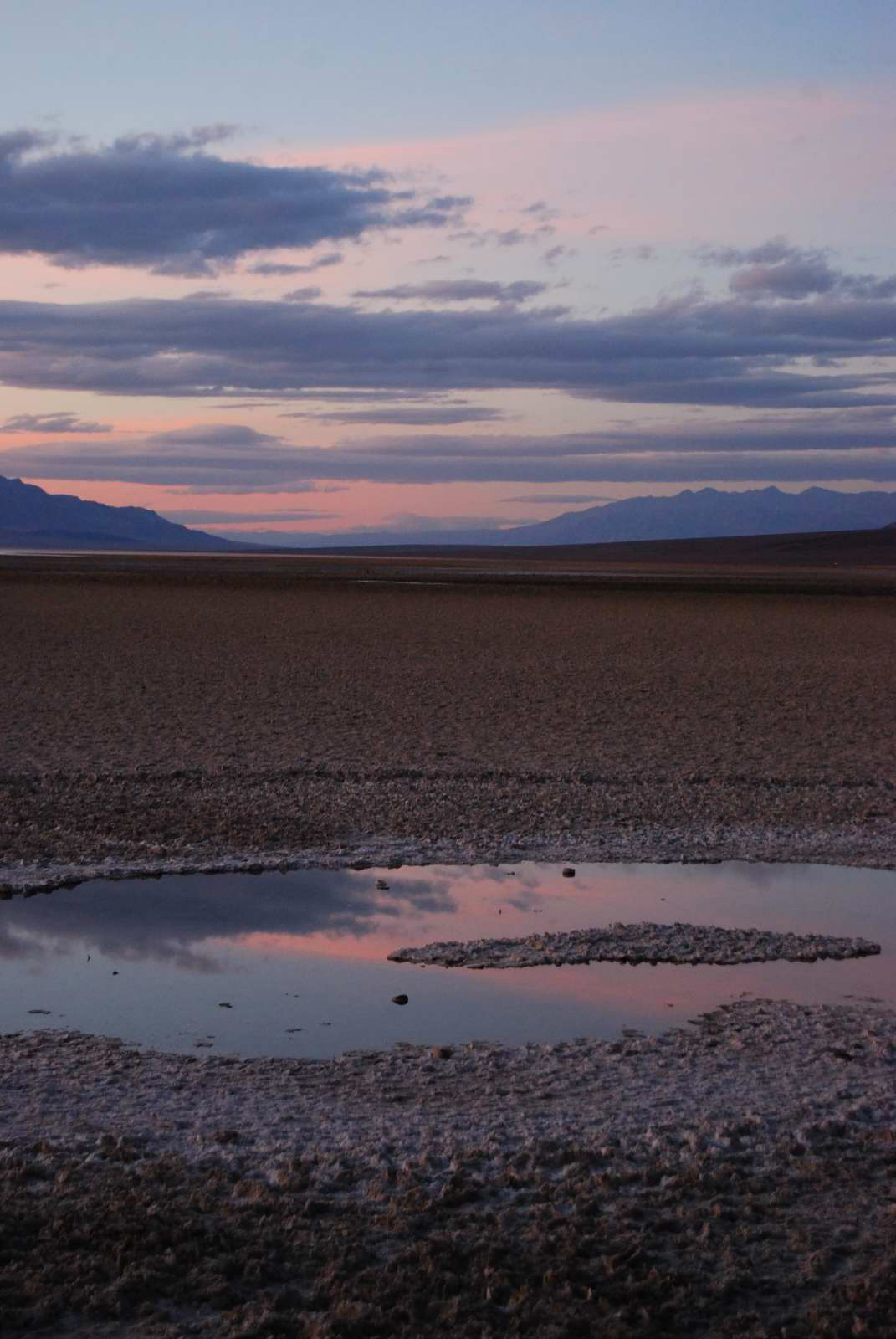
Don’t miss the amazing sunsets at Dante’s View, Artist’s Palette, and Badwater Basin. The latter, in particular, offered a beautiful reflection of the sunset in its shallow pools.
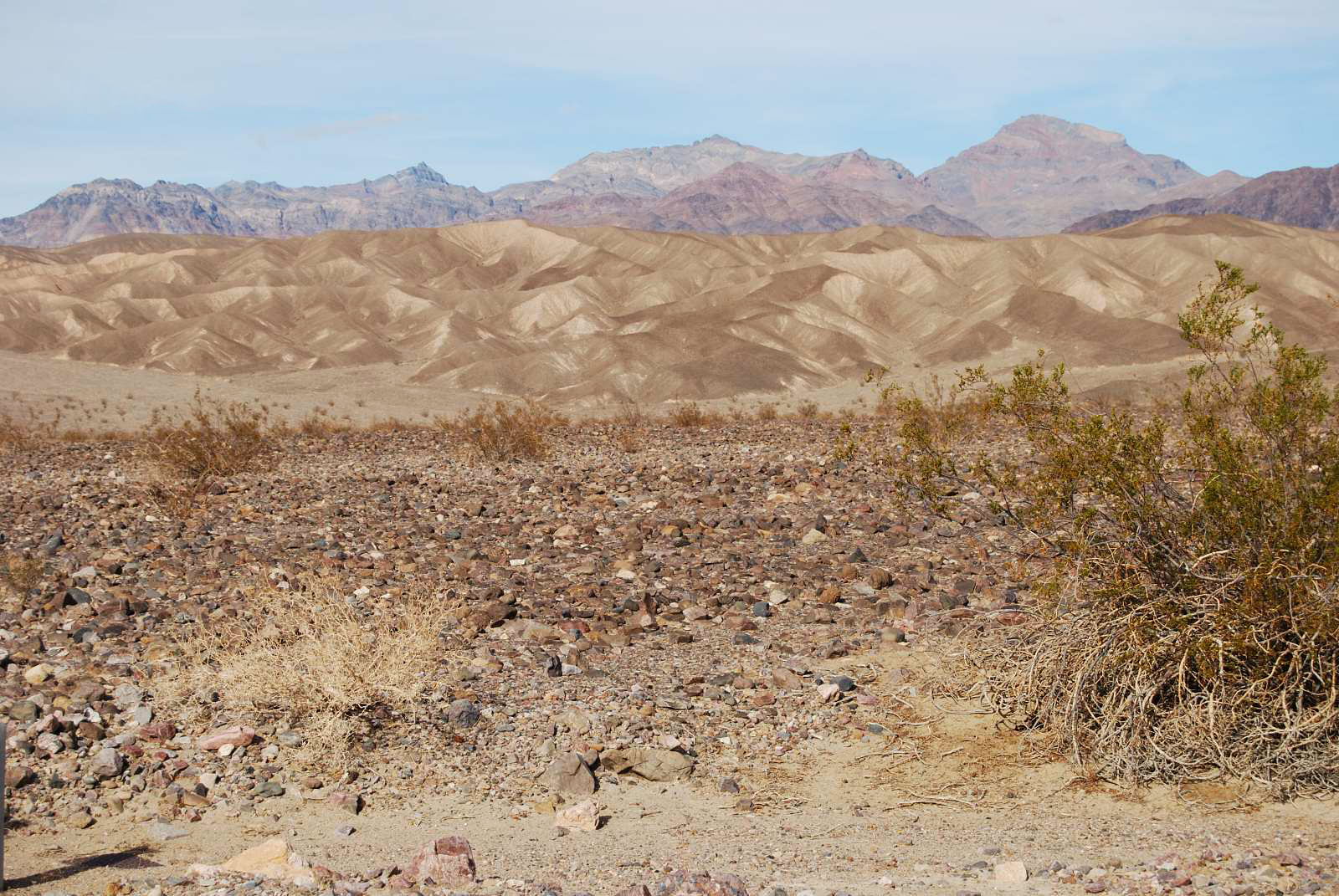
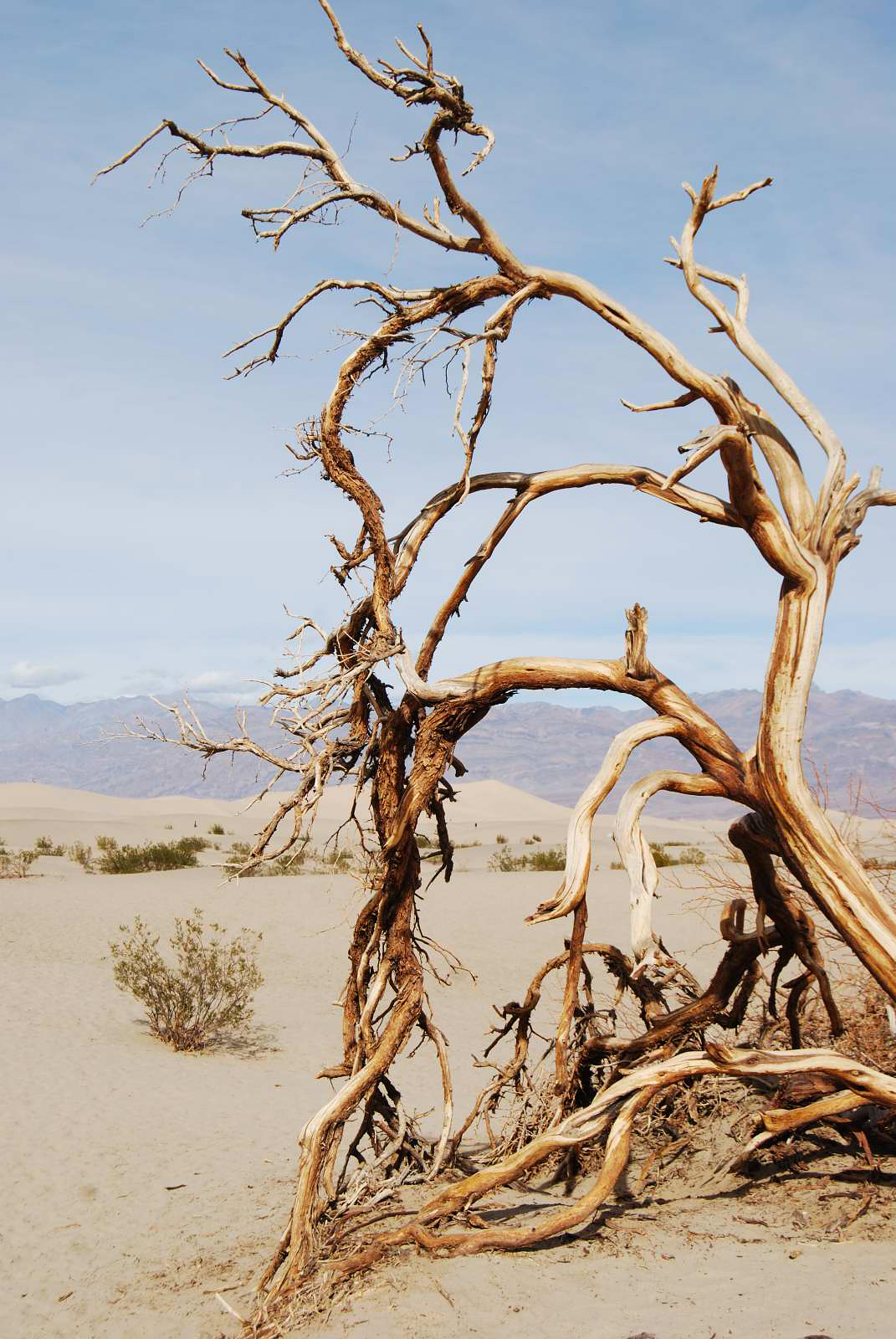
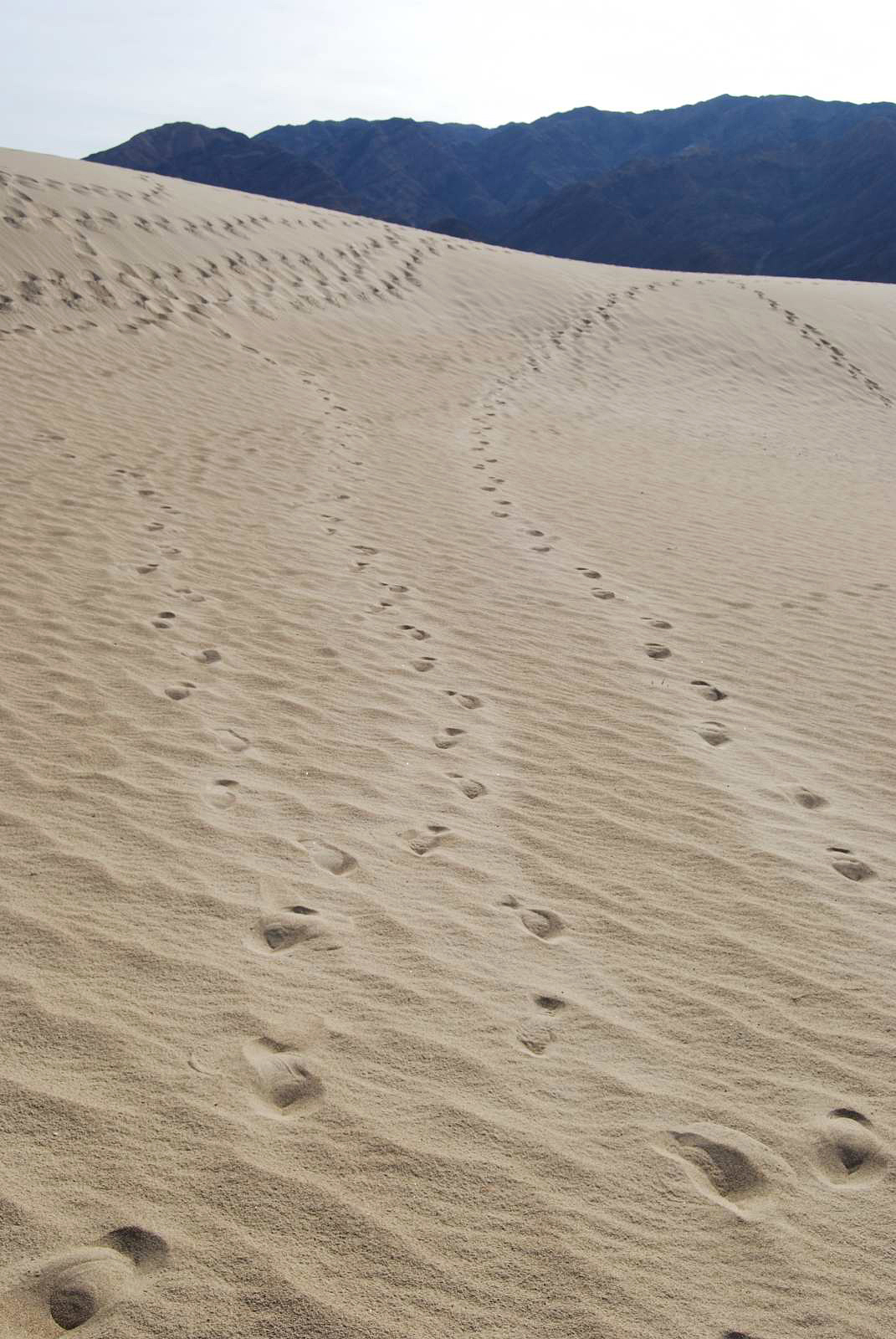
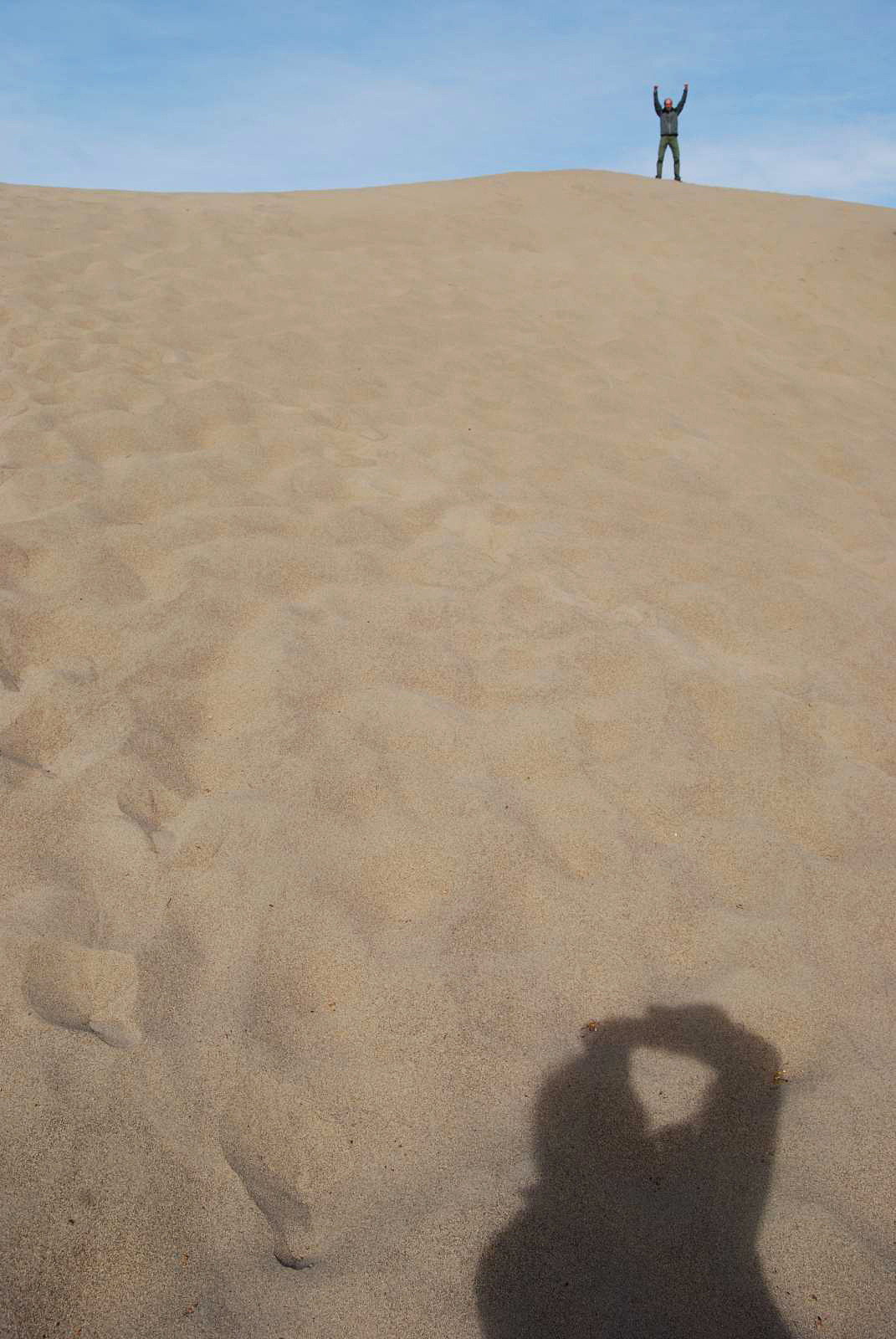
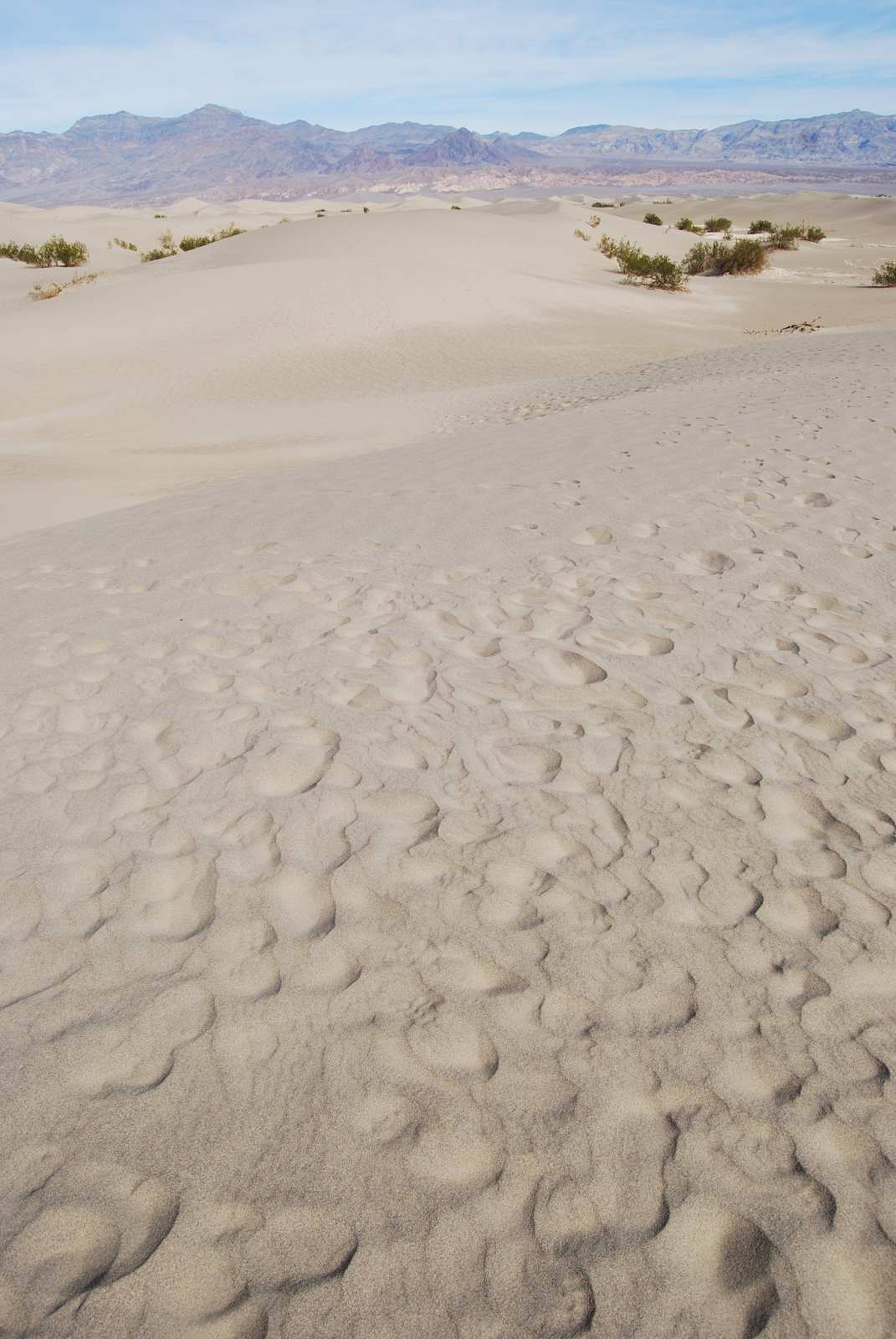
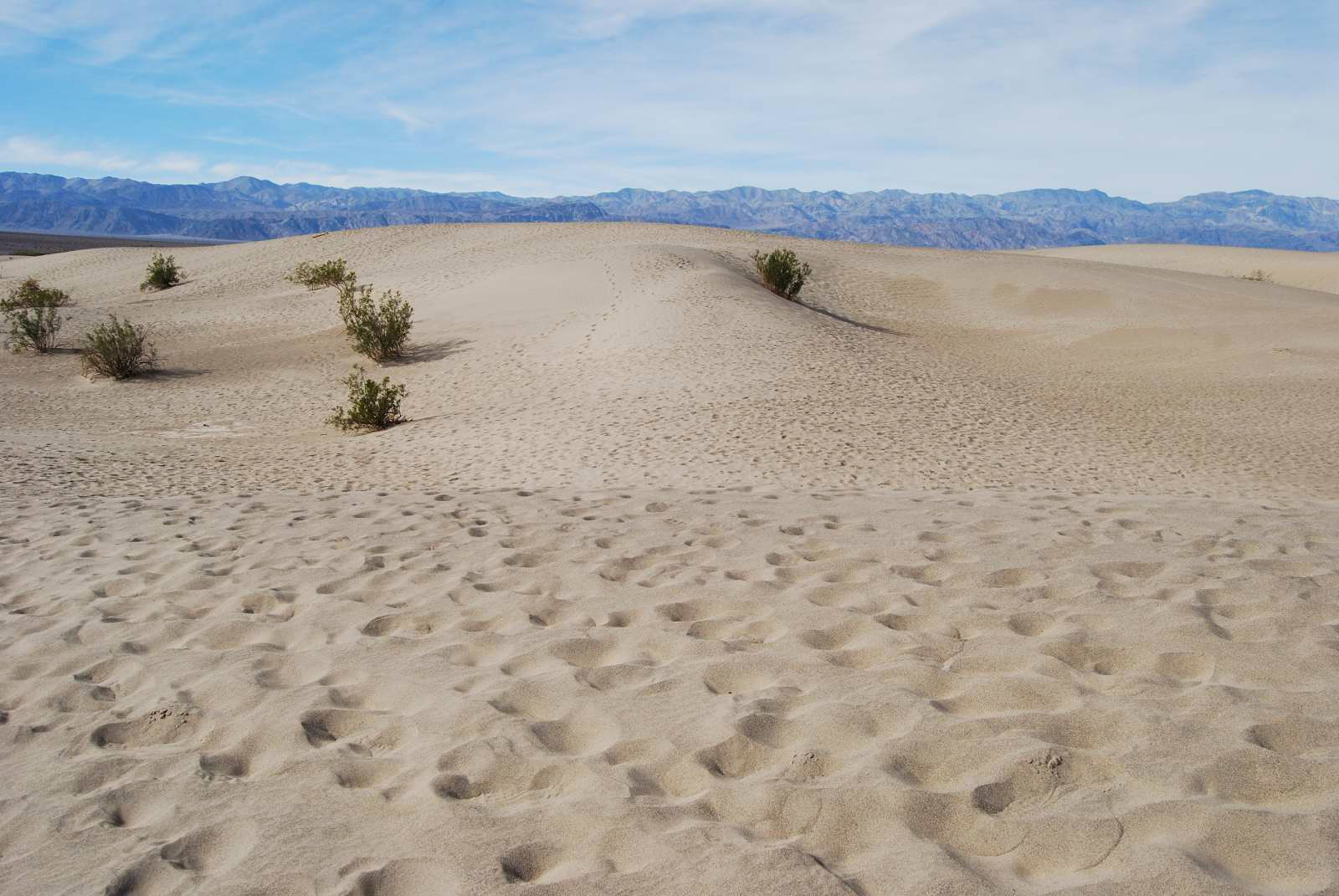
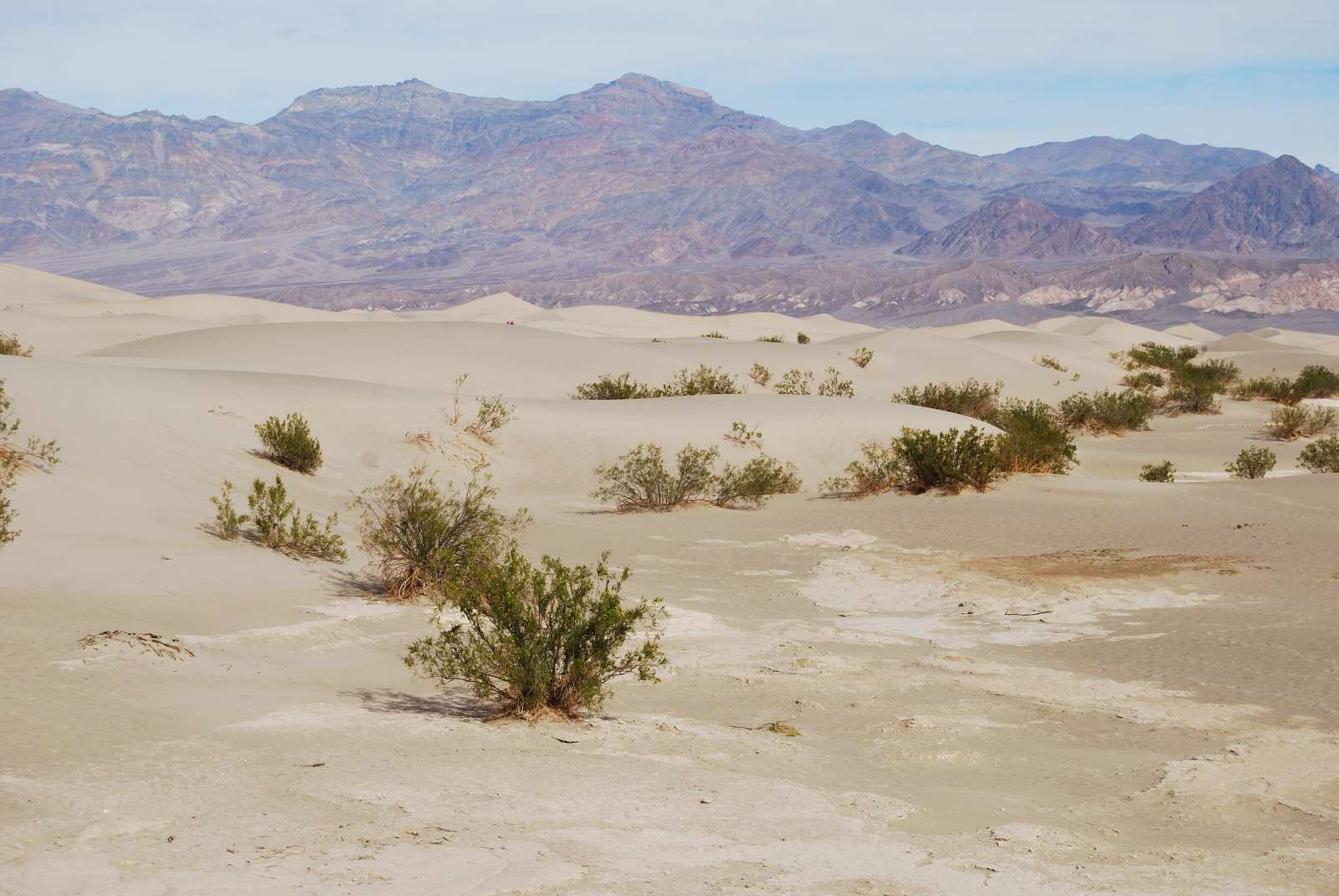
Mesquite Flat Sand Dunes
The sand here is as soft as powder and soothing to tread on barefoot. Run wild and free.



Salt Creek
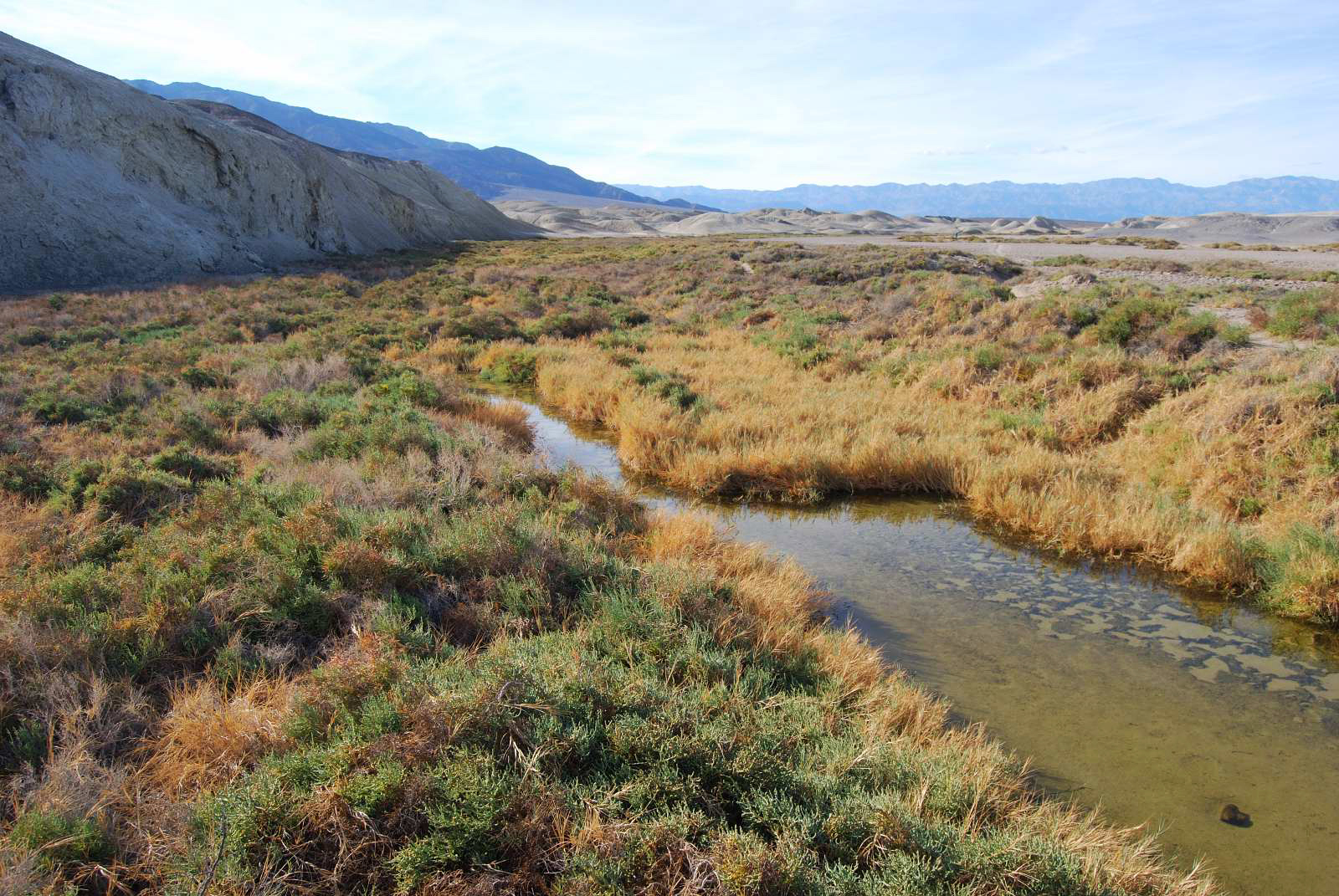
A scenic, interpretive boardwalk trail awaits. During your stroll, you will learn about the desert vegetation and life that dwells here, especially the unique adaptation of the endangered Salt Creek pupfish. Only a few centimeters long, these fish possess the remarkable ability to survive extreme conditions: salinity levels higher than the ocean, hot water, and even near-freezing temperatures.



Harmony Borax Works – mining
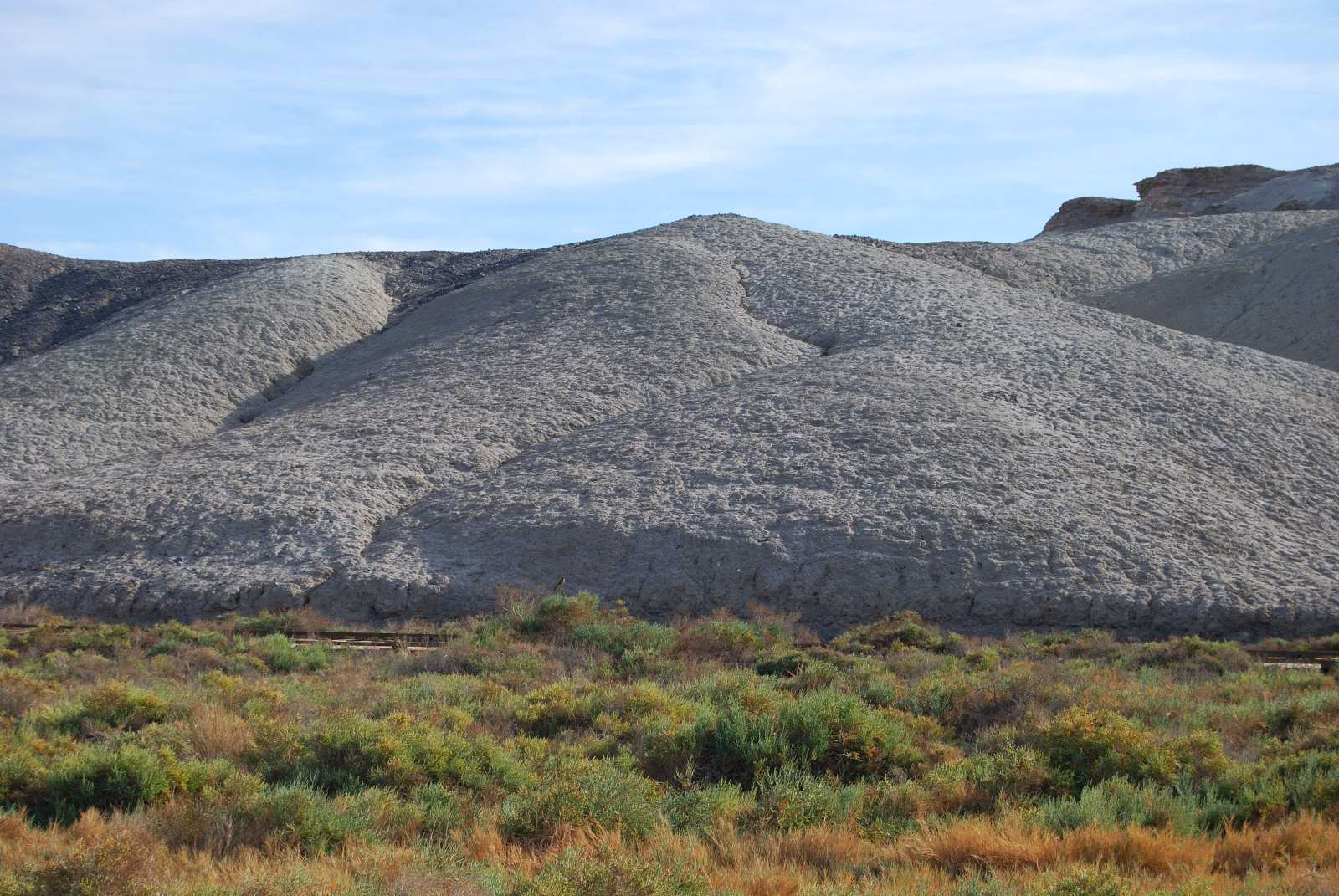
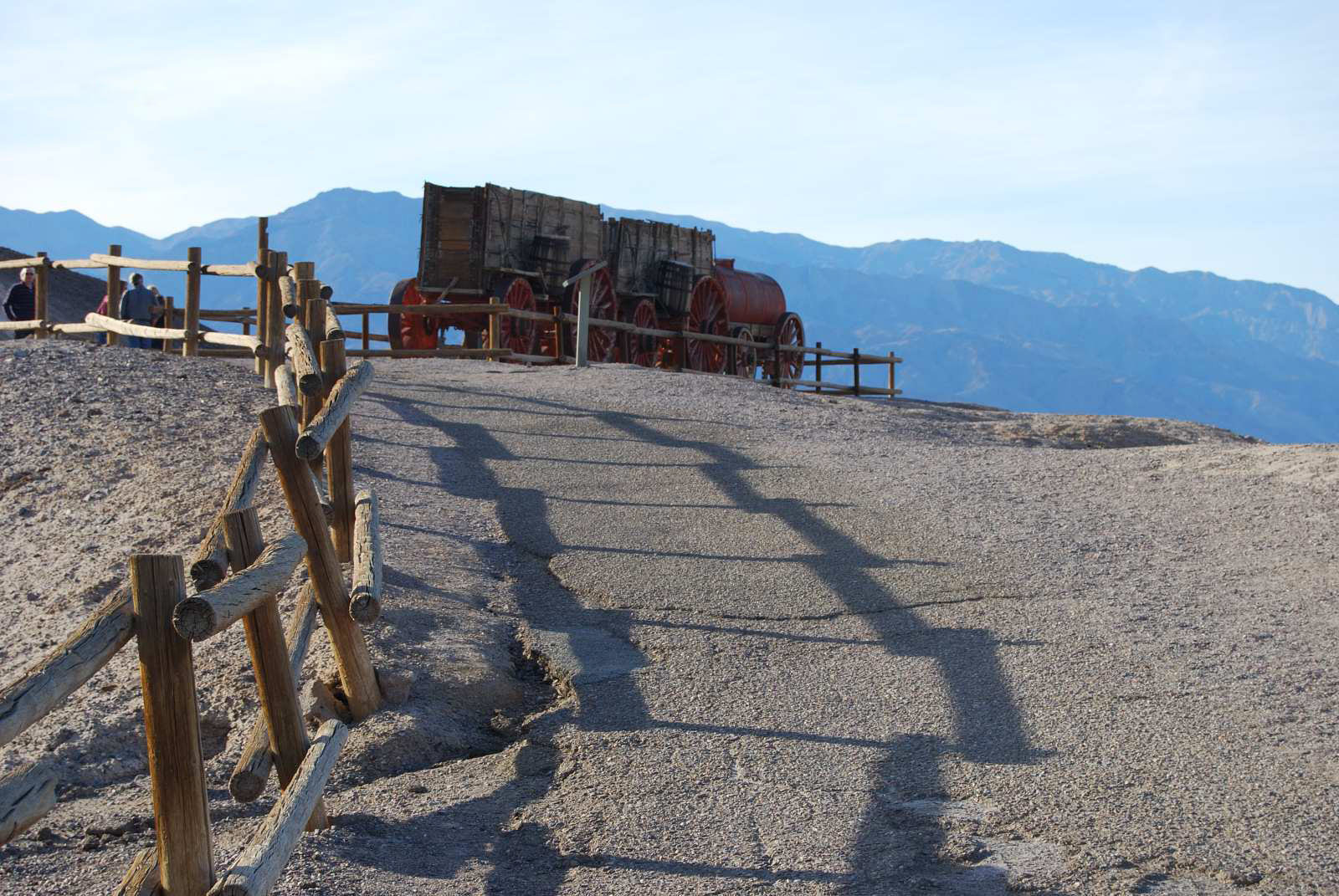
We joined a park ranger talk that covered the history of Harmony Borax Works at Furnace Creek Springs. Visitors learn about the borax mining business and how people marketed this newly discovered borax mineral in the desert during the 1800s—it’s quite fascinating. Borax was used for many purposes, especially as a soap. Mules and wagons were essential to the operation. The marketing brand, “20 Mule Team Borax”, was used in their advertisements.

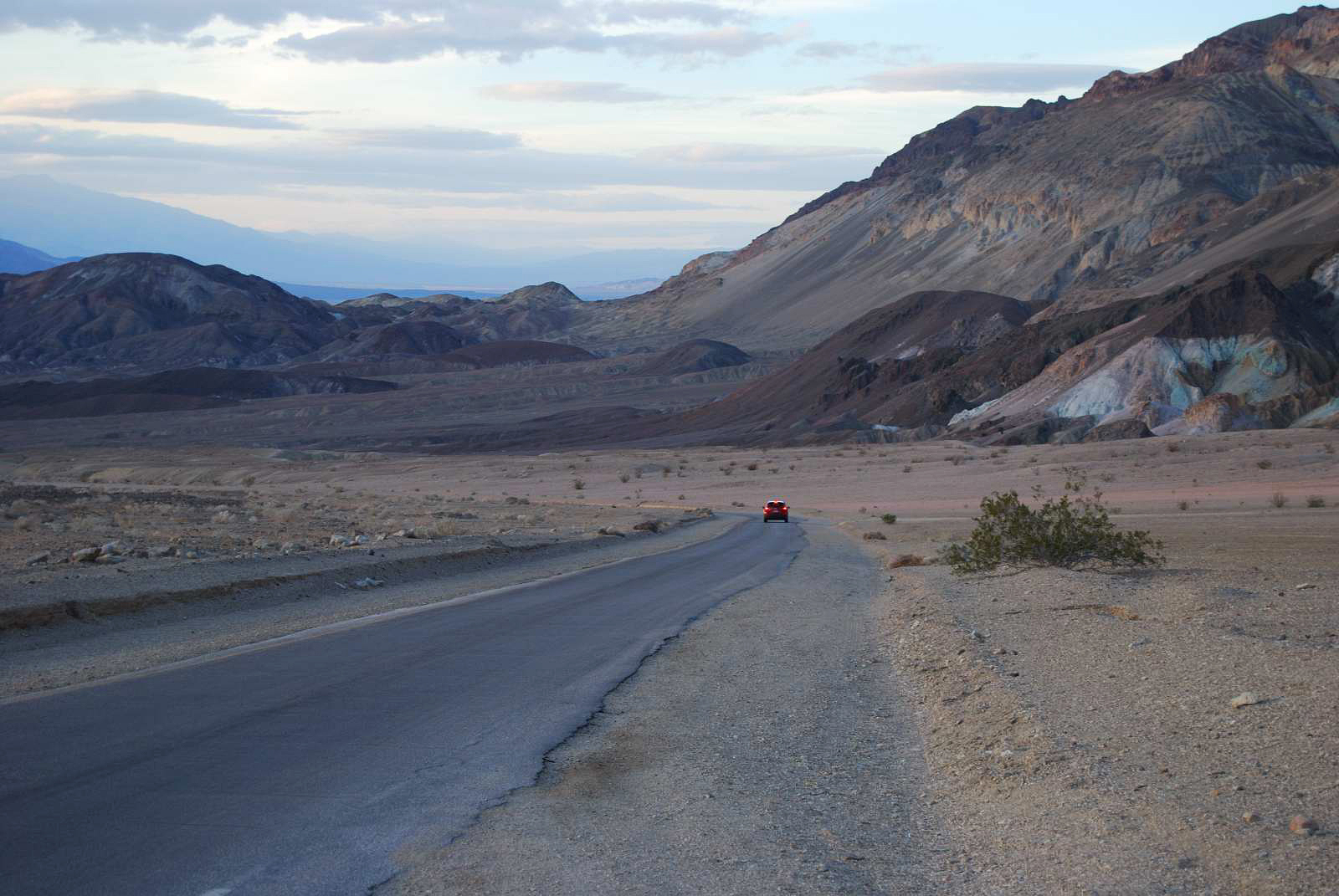
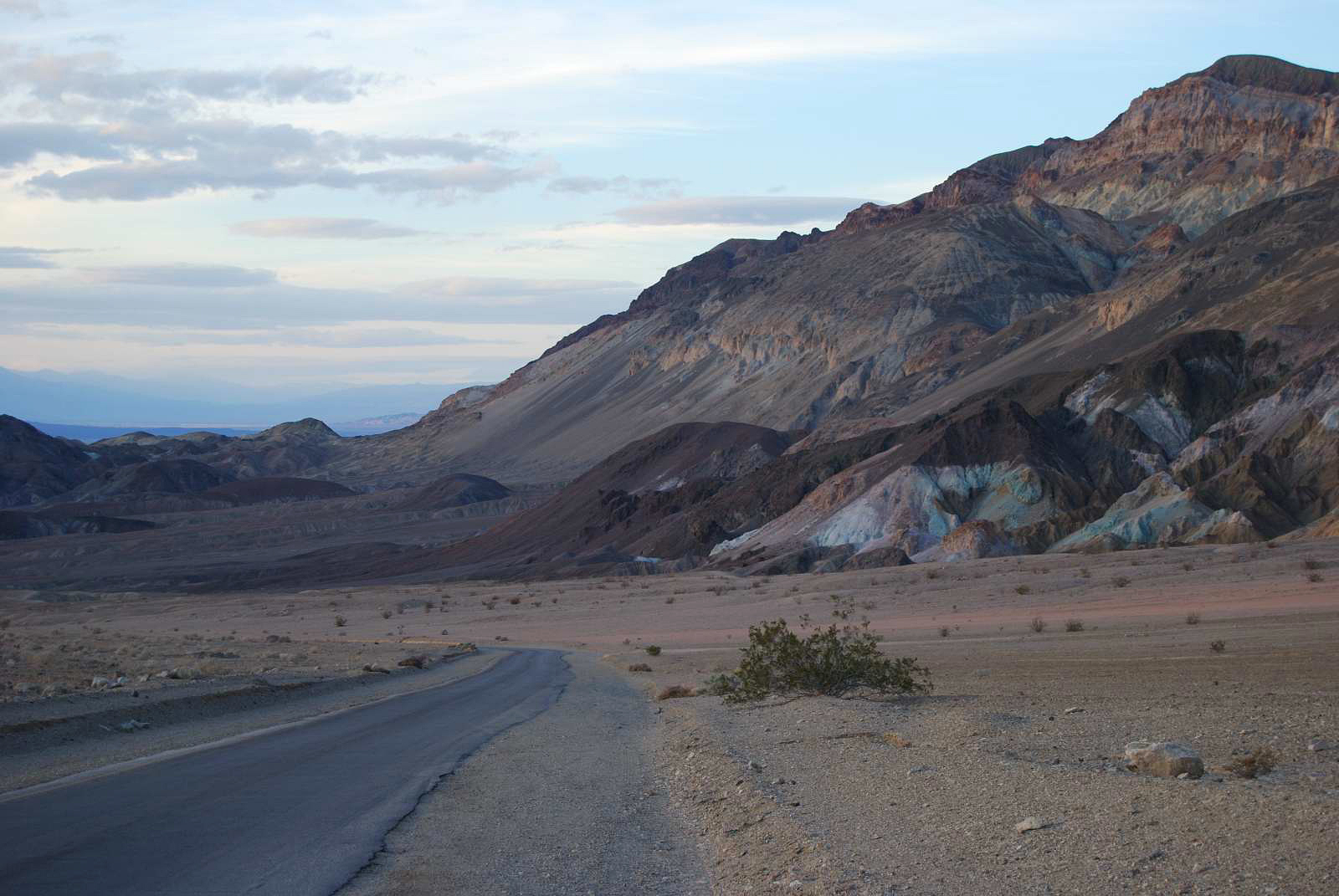
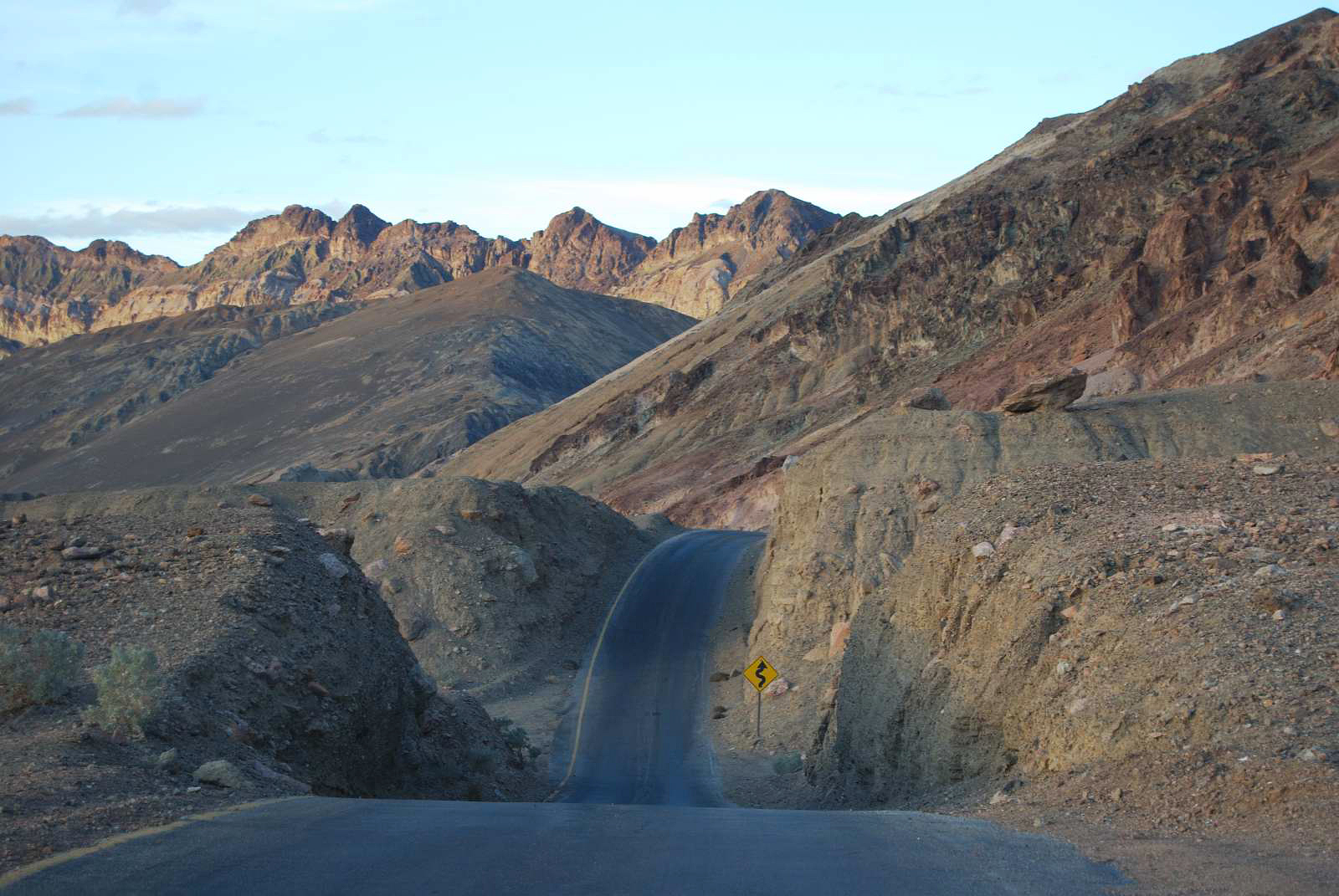
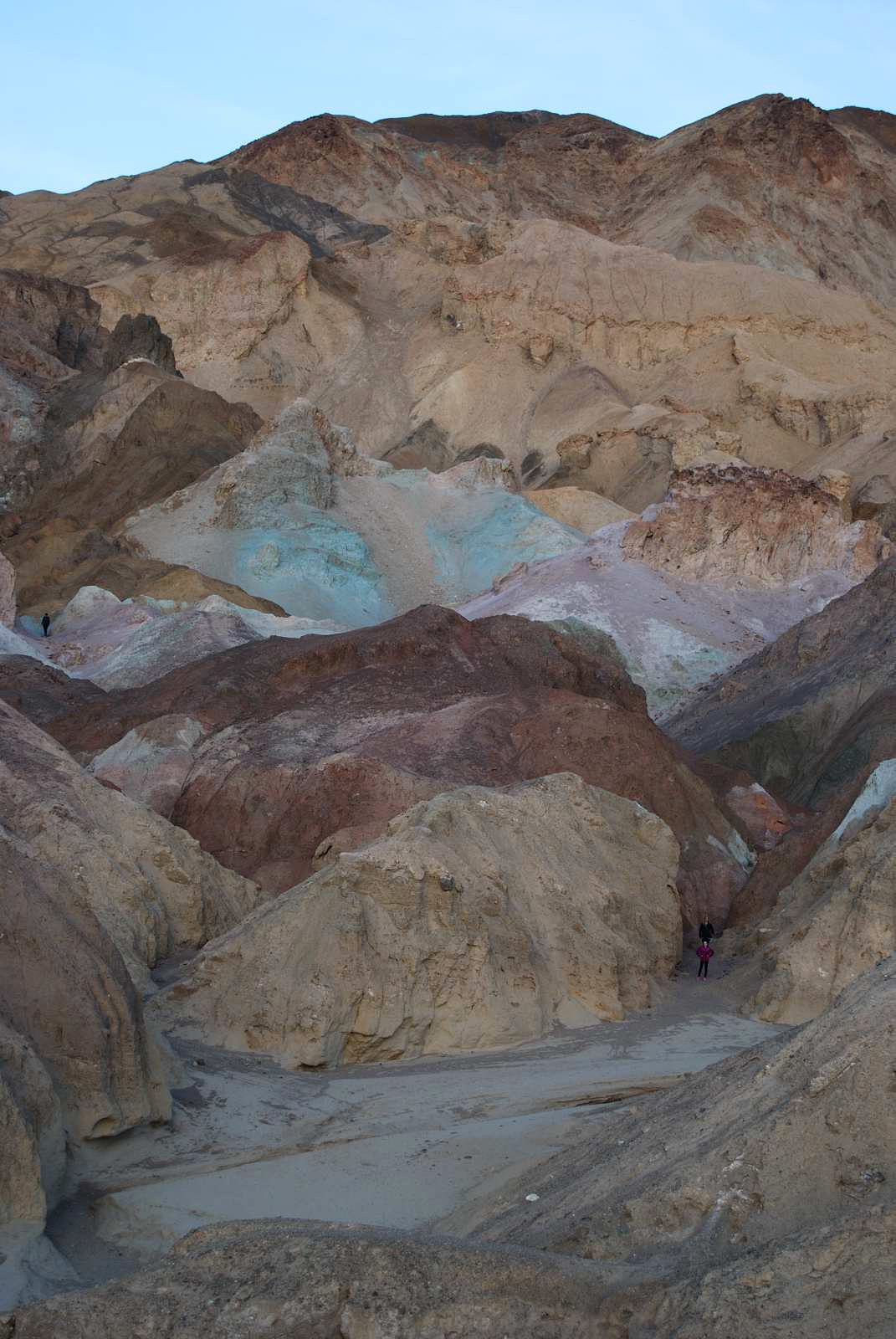
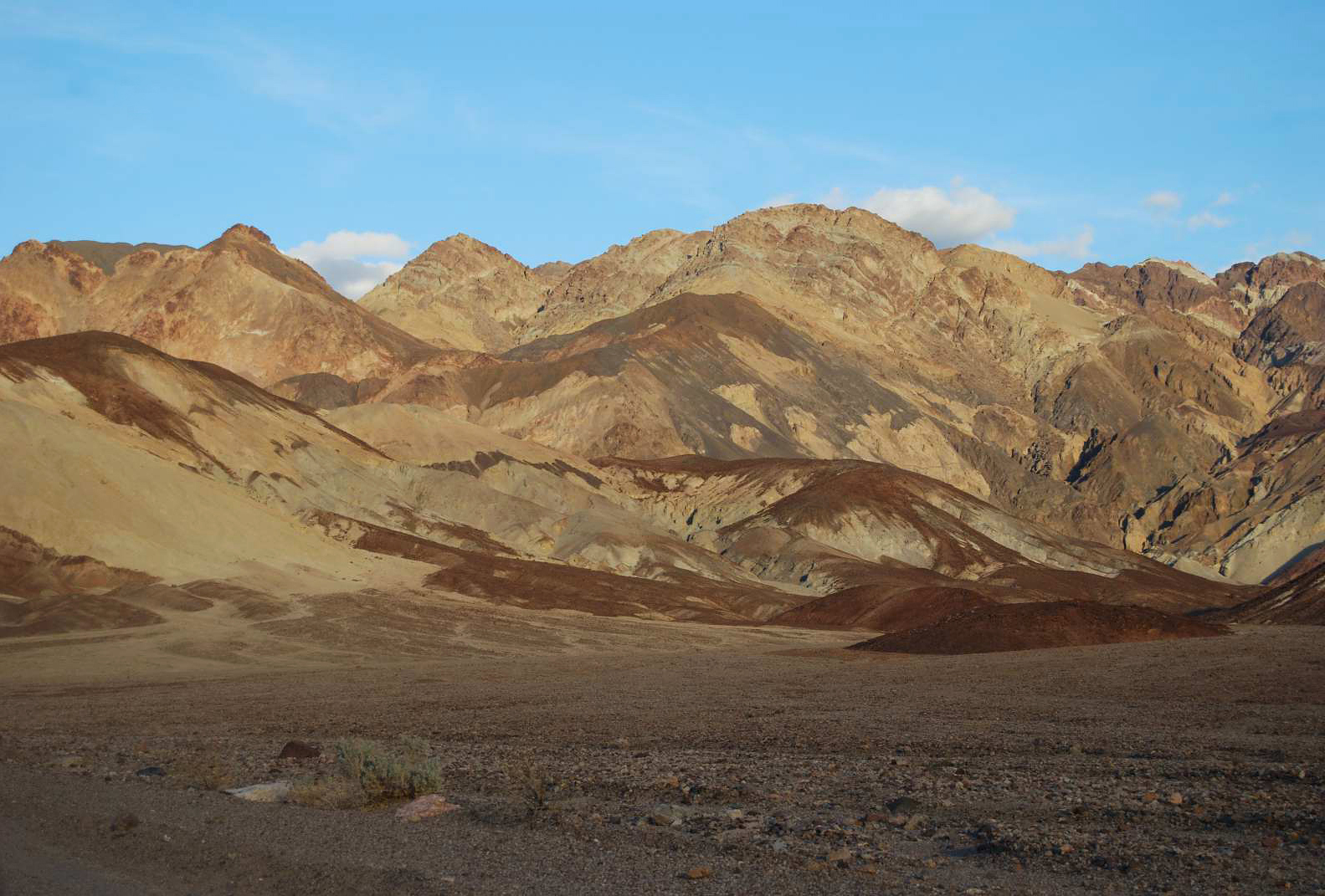
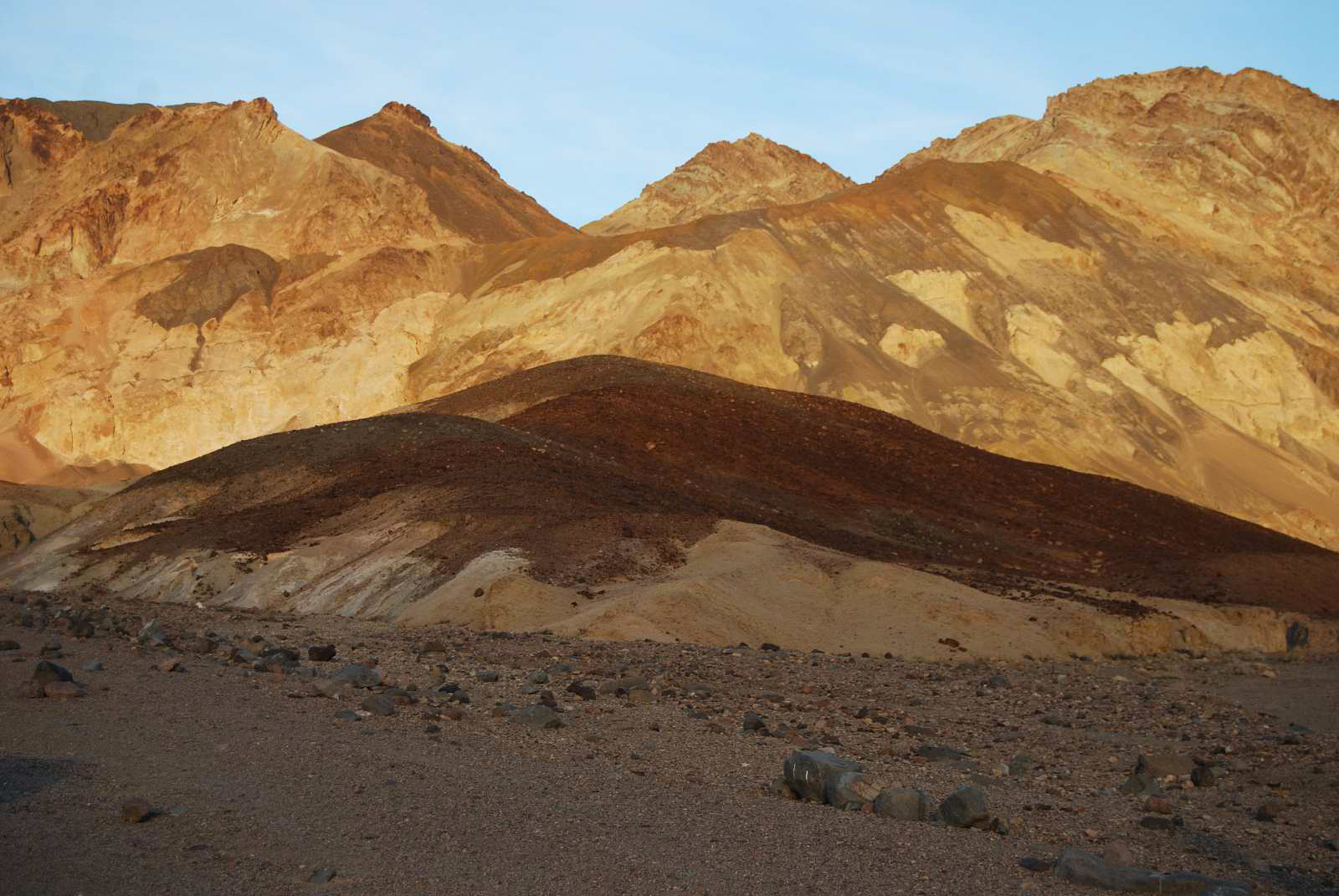
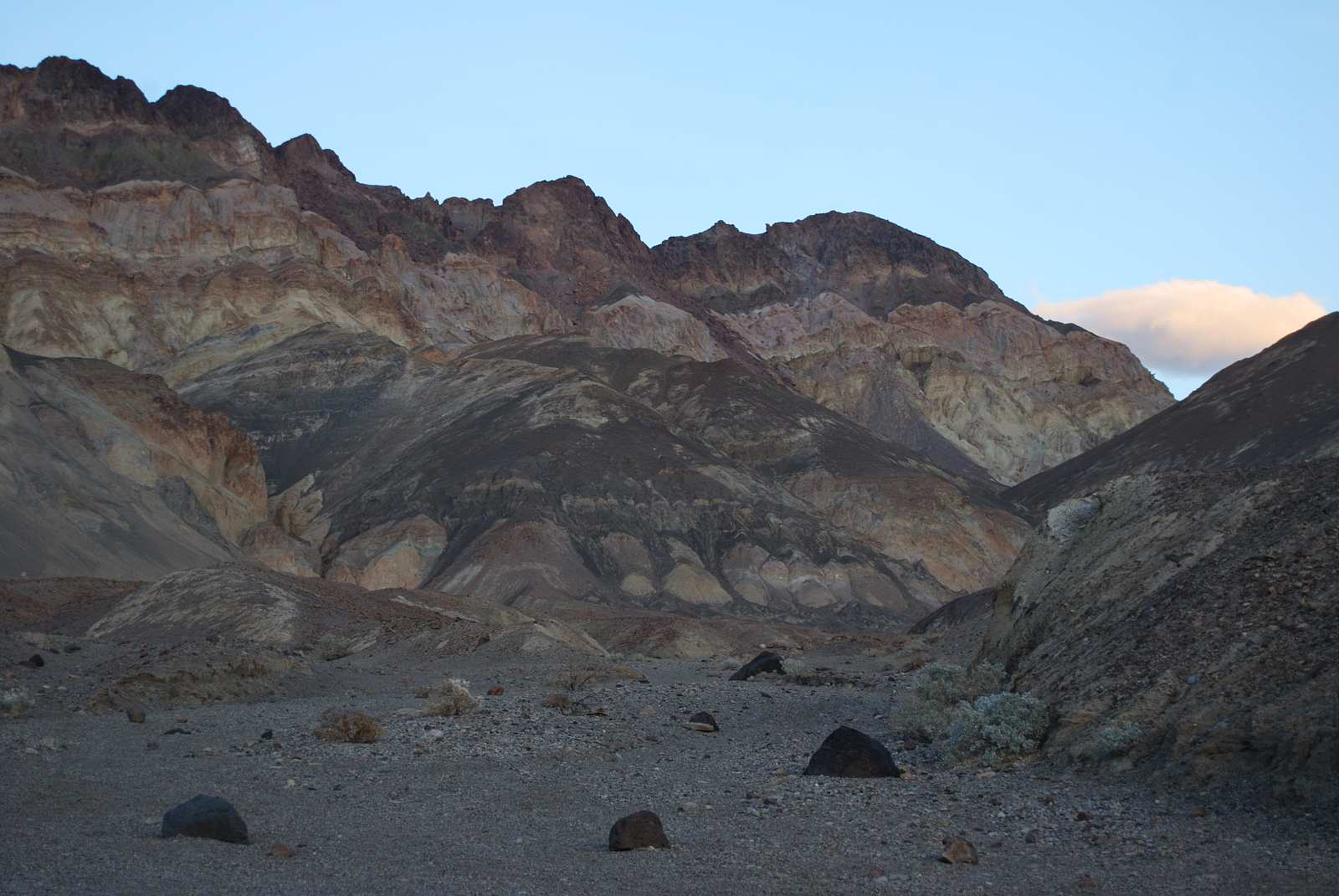
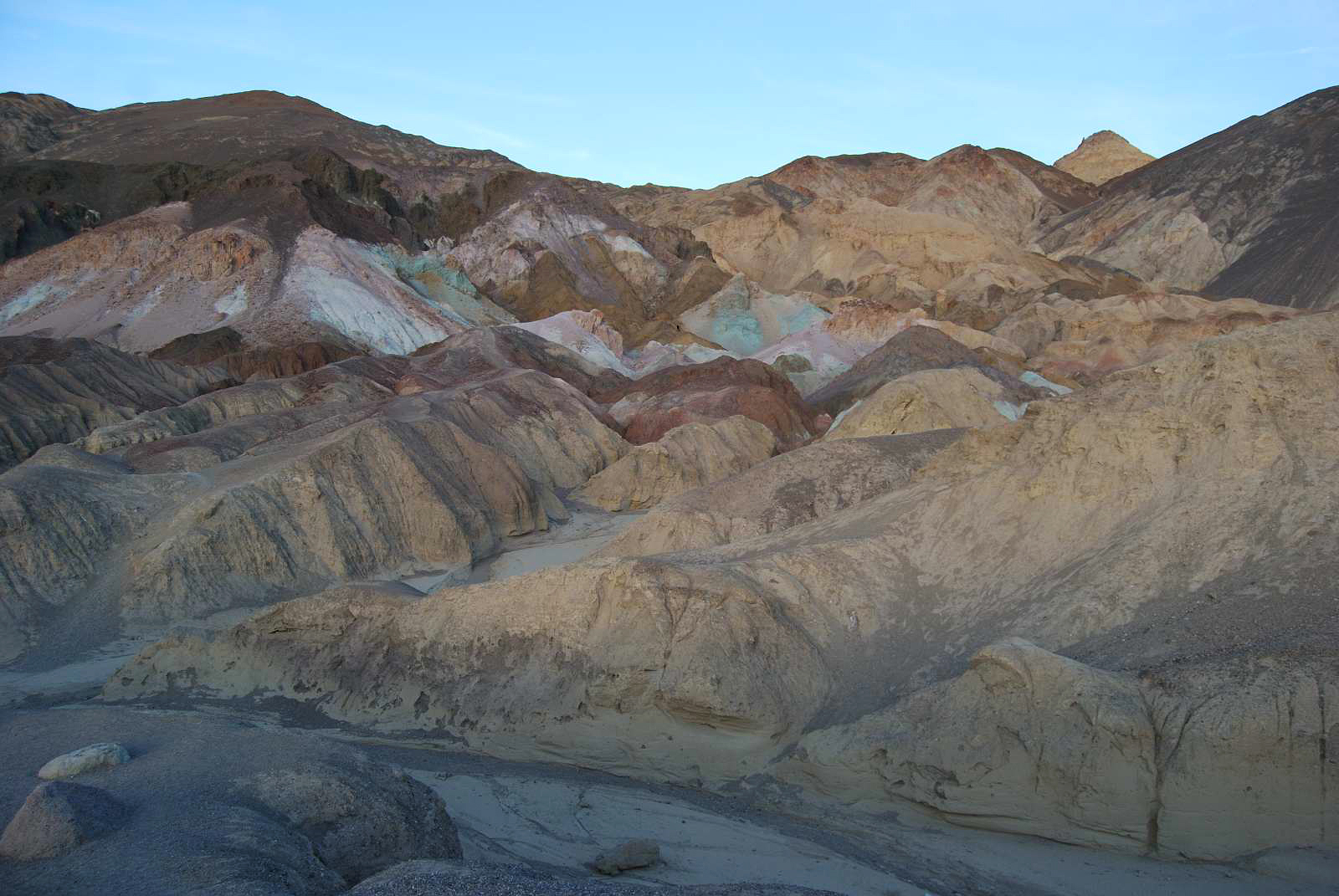
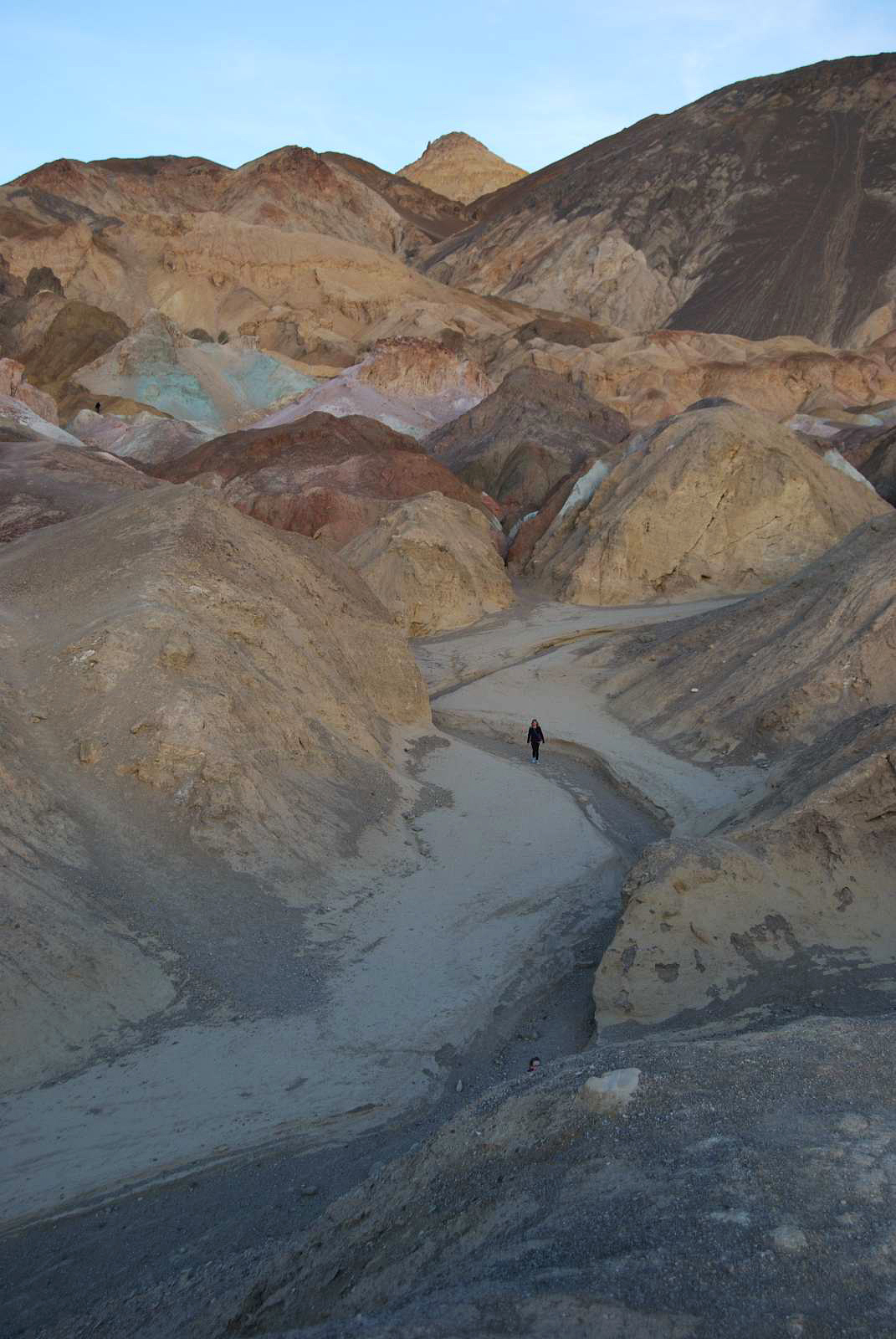
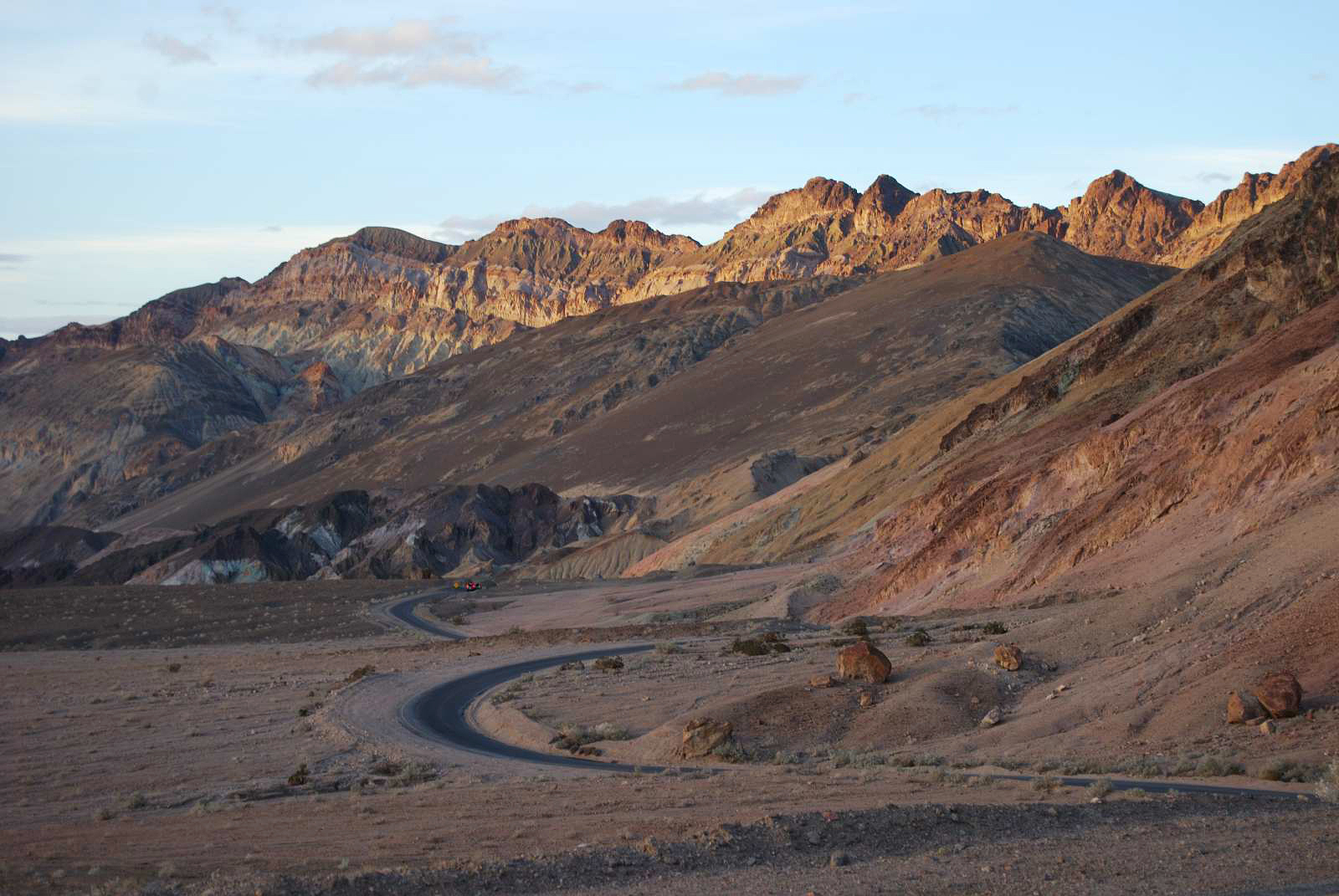
Artist’s Drive & Palette at Sunset
Artist’s Drive and Palette not only serves as the perfect backdrop for a photoshoot, but also stand as evidence of the national park’s most explosive volcanic periods, hence the variety of colors. Enjoy the twists and turns of your drive.




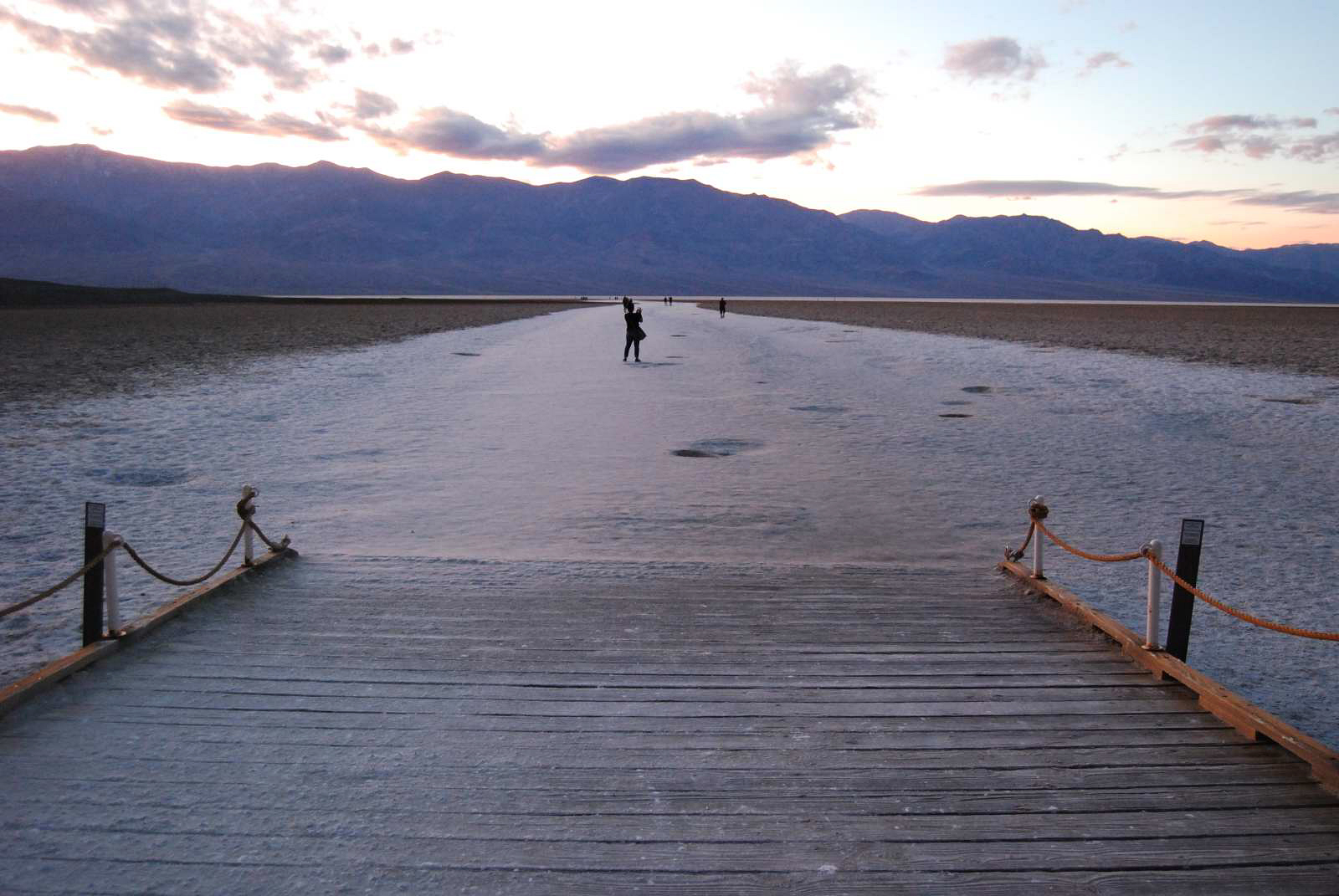
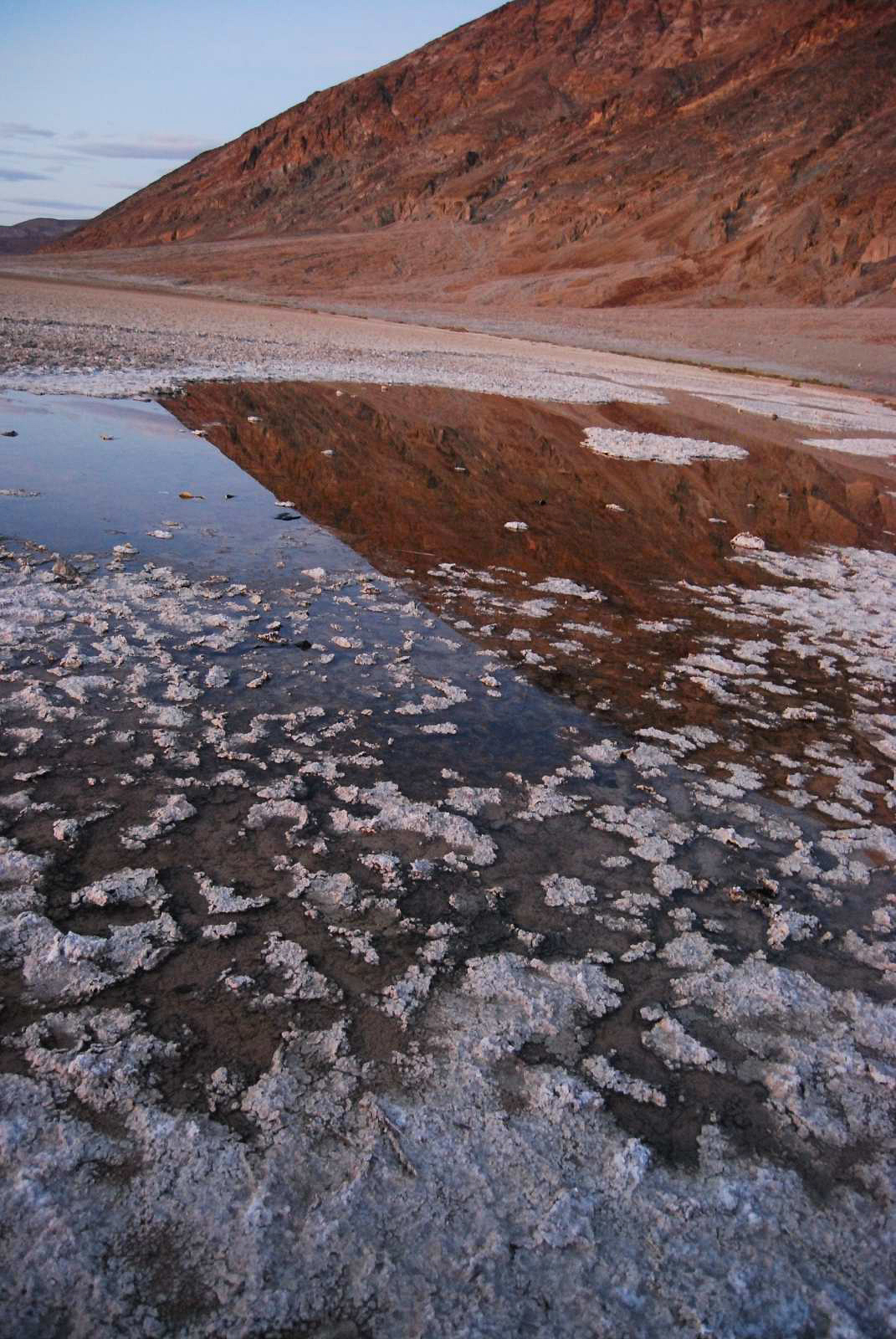
Badwater Basin at Sunset
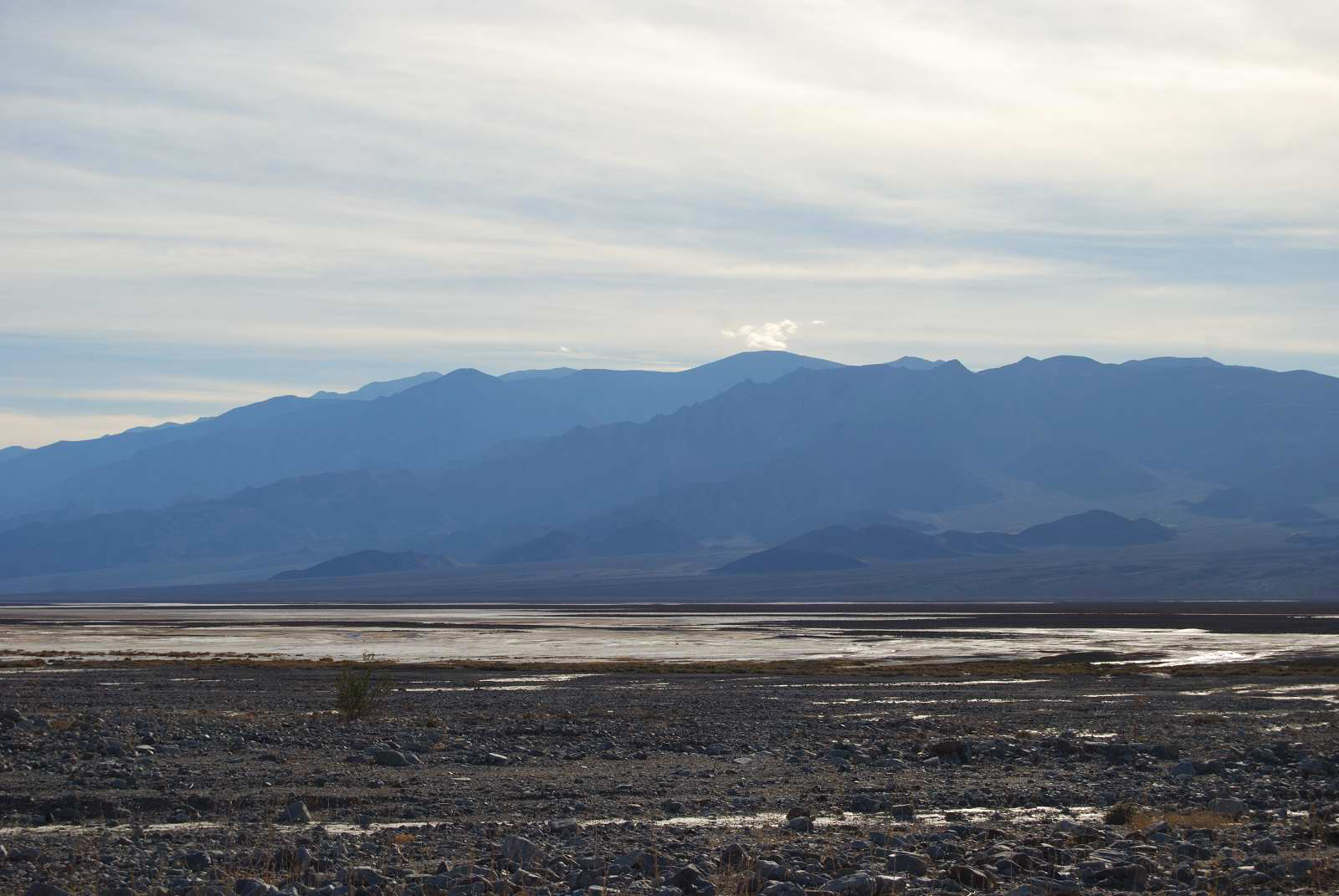
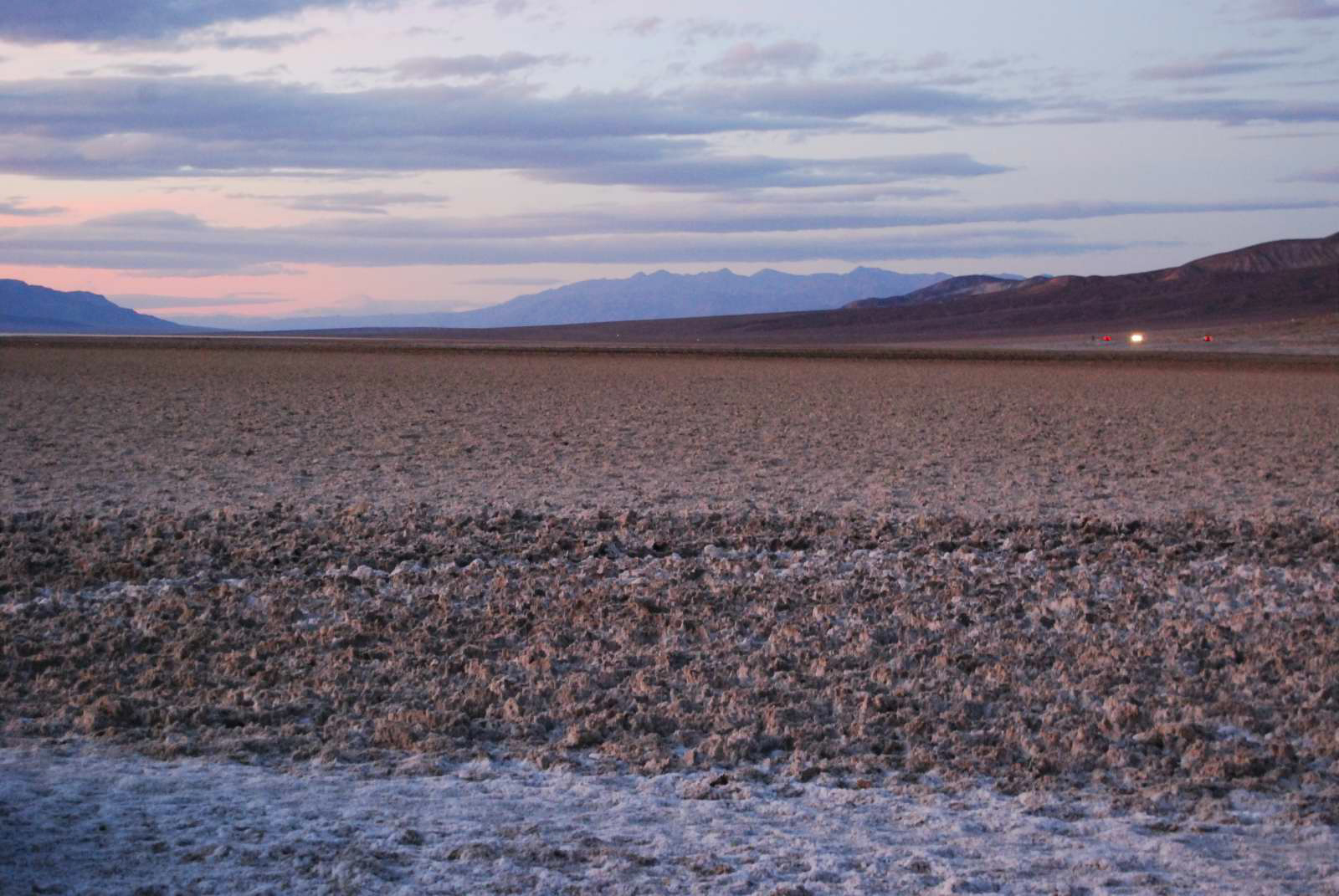
As we descended the stairs from the parking lot to Badwater Basin, the lowest point in North America, we were captivated by the transcendental panoramic view before us. Pink and purple hues from the sunset were mirrored in shallow pools, framed by snowflake-like salt crystals. Majestic mountains were sealed against the horizon and knelt below a cloud-filled sky.
Titus Canyon
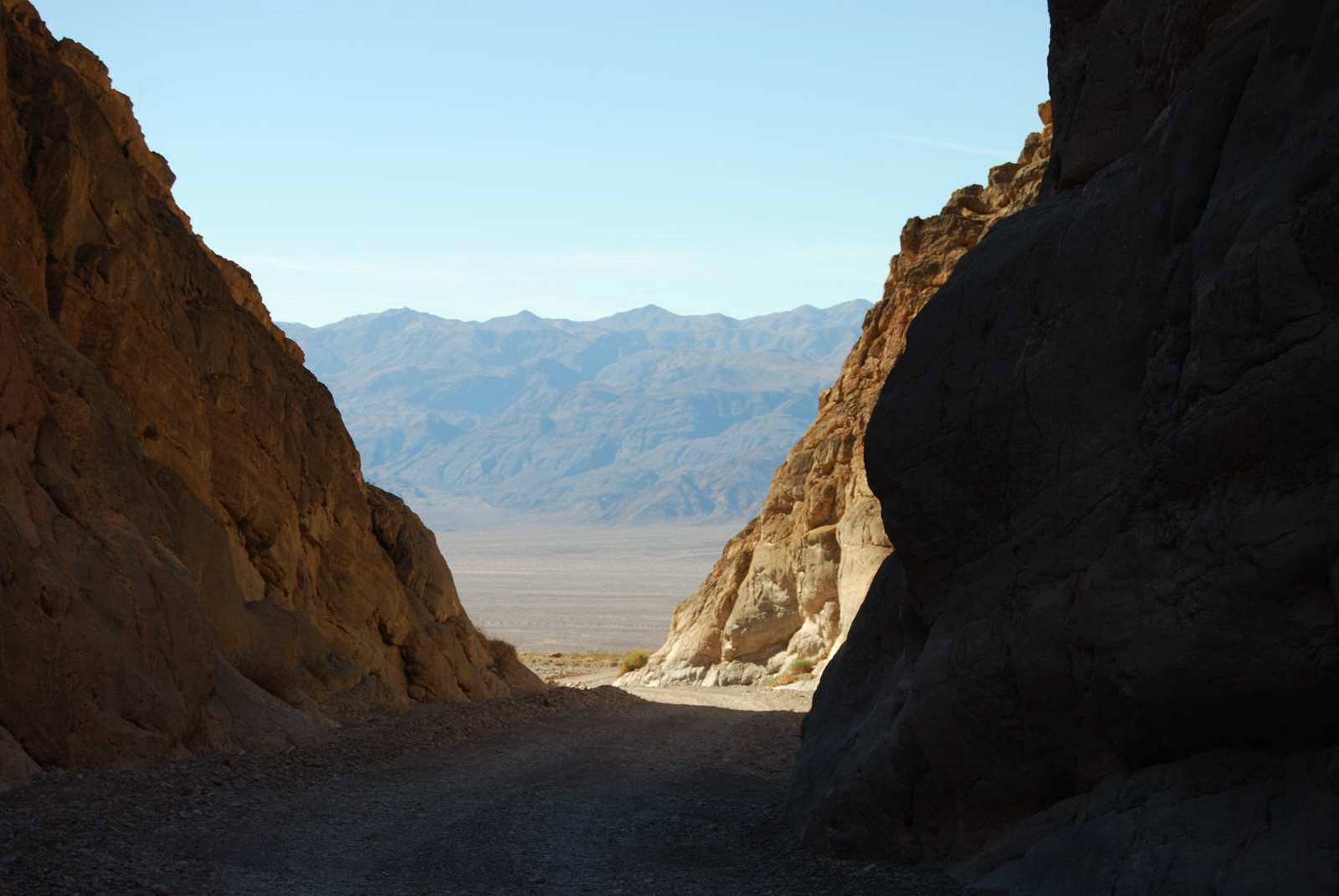
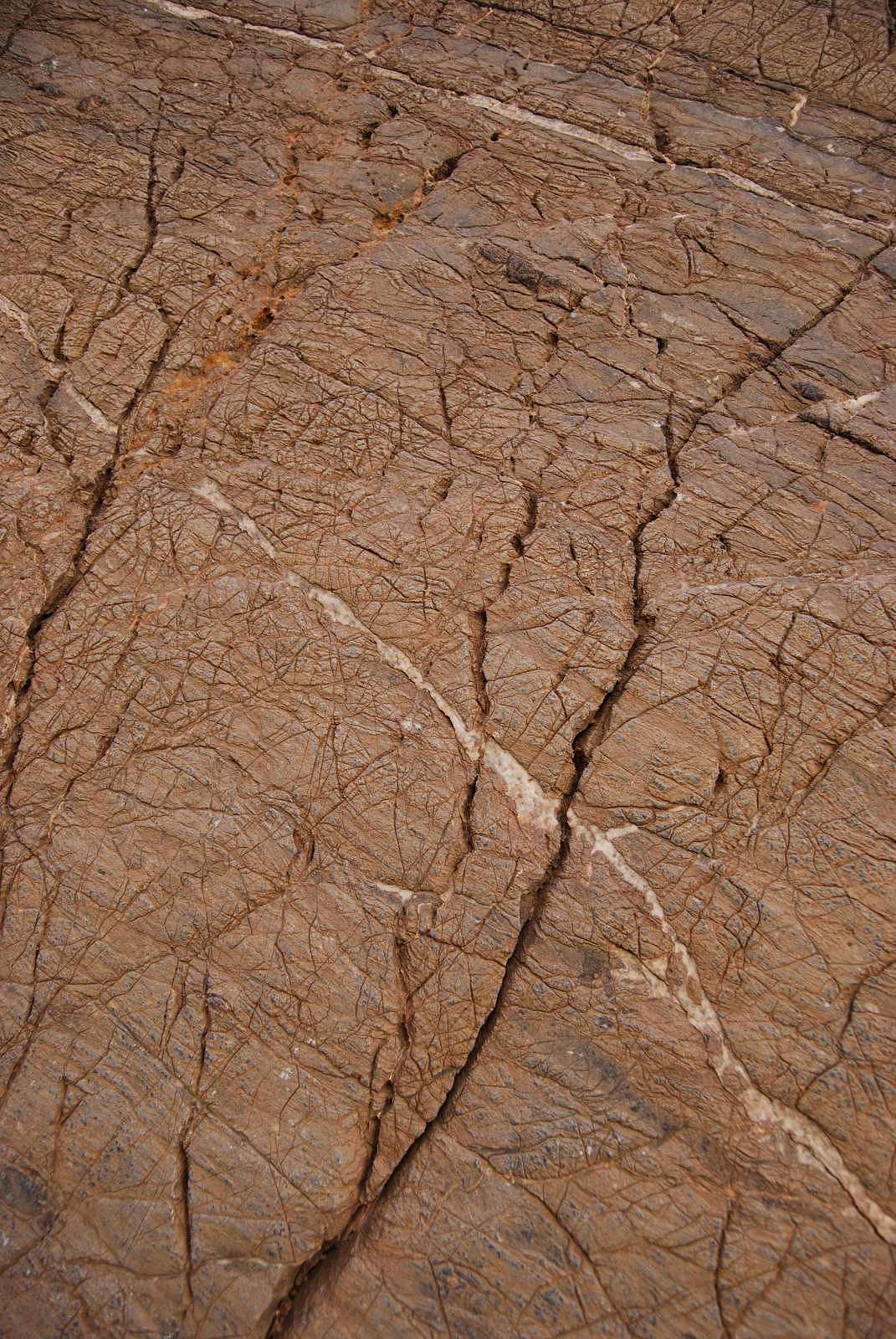
This narrow gorge reminded us of the Grand Canyon National Park, with the steep rocky walls. What I found most appealing was the texture and cracks in the stones, which appeared a bit like elephant skin.
Ubehebe Crater
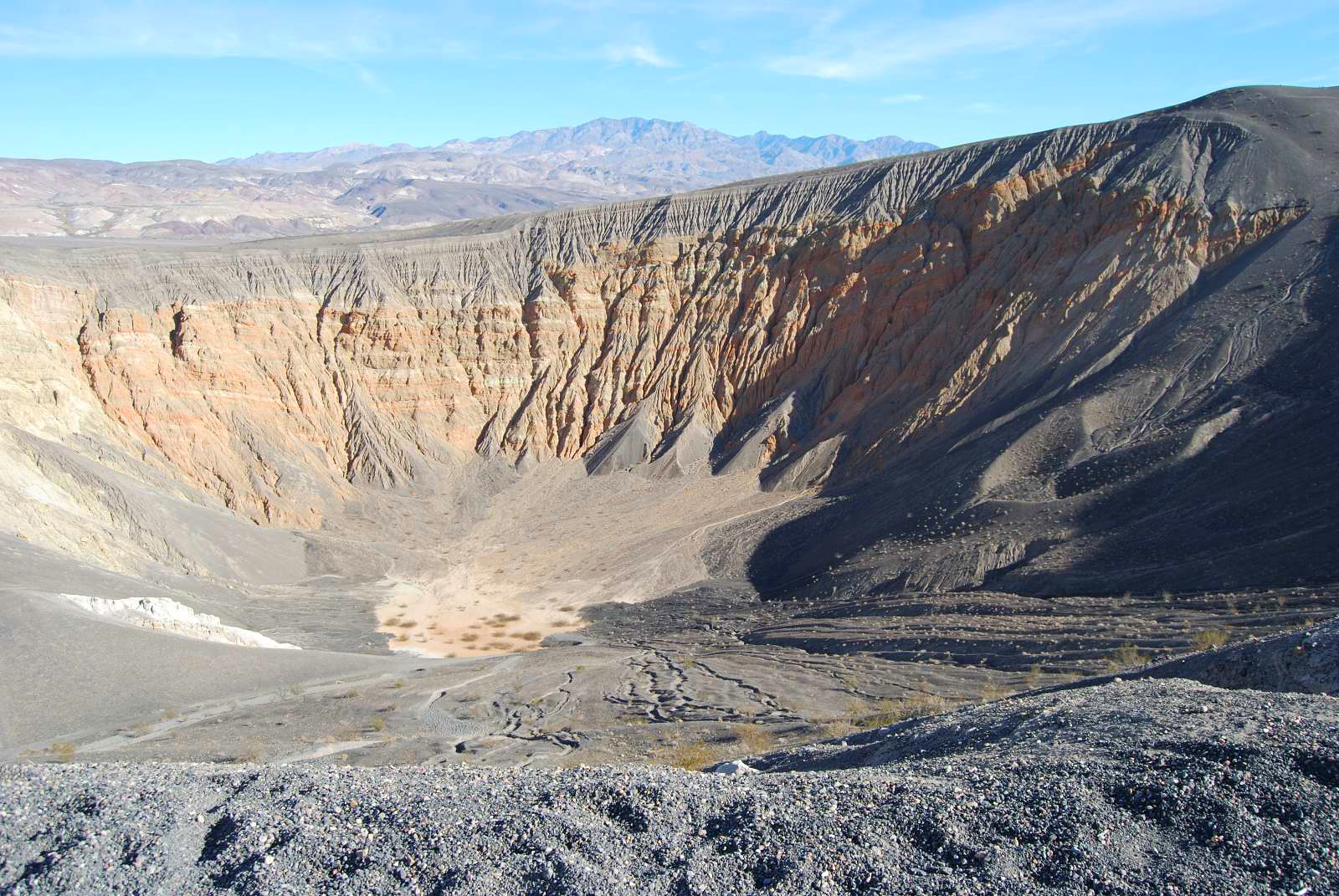
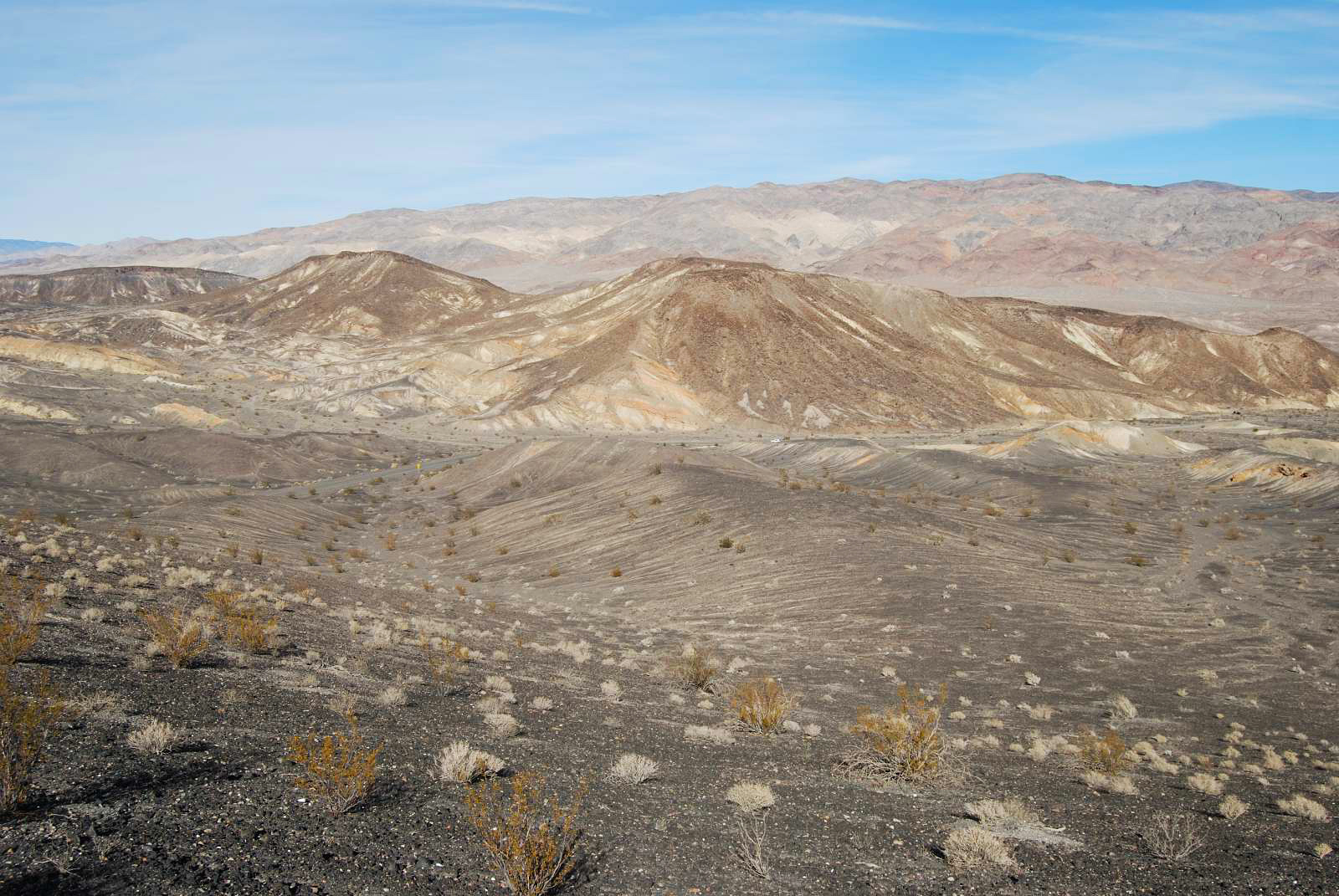
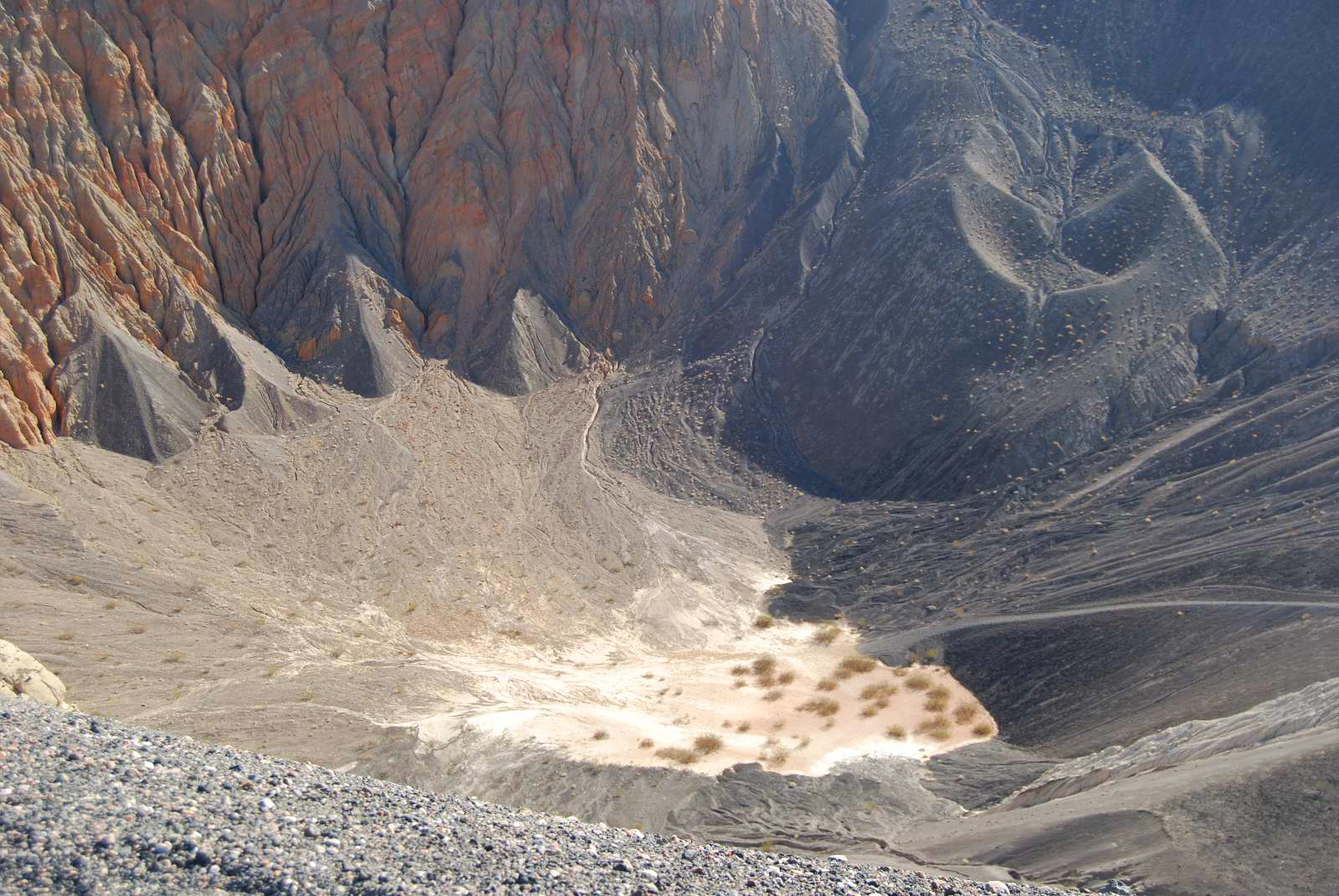
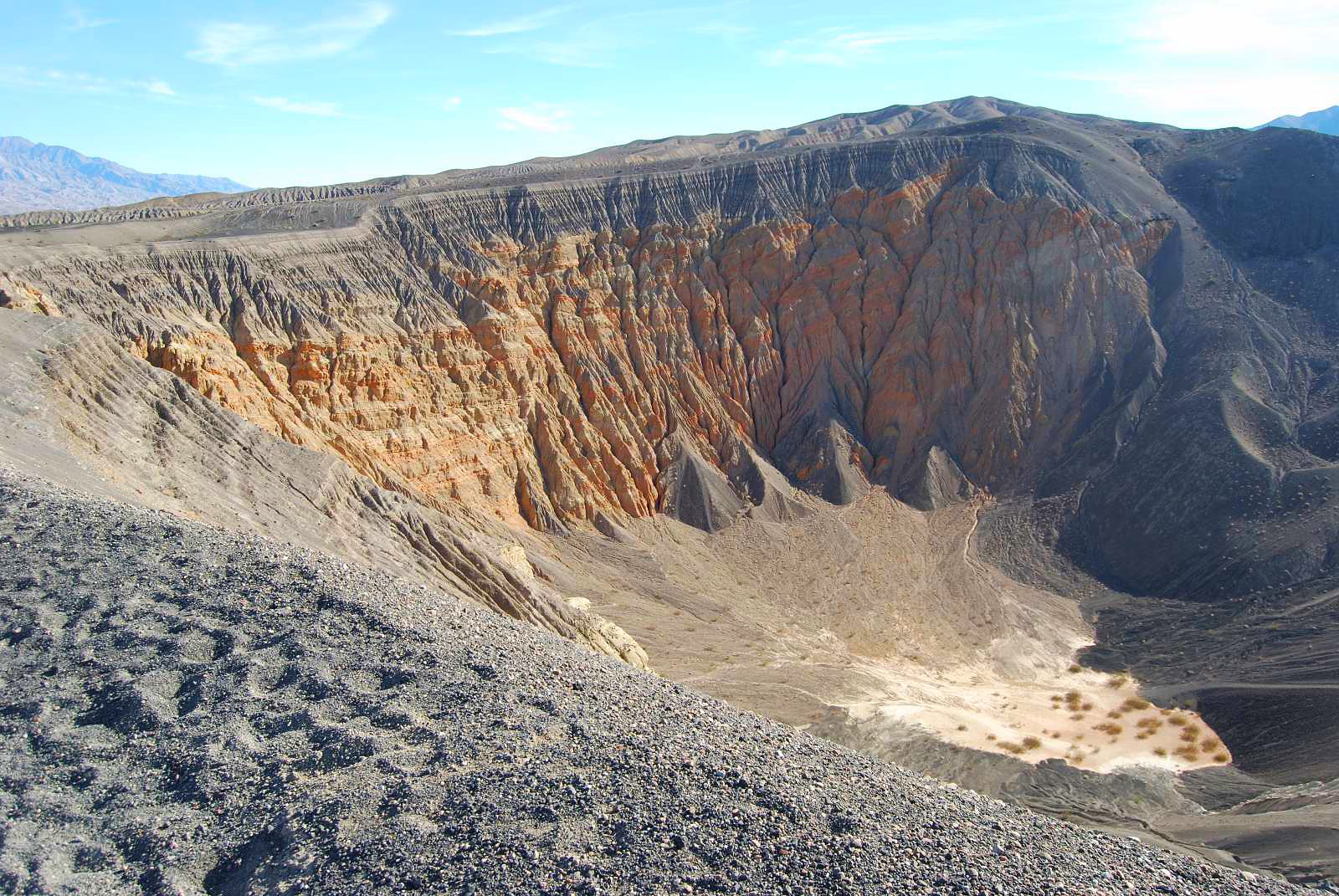
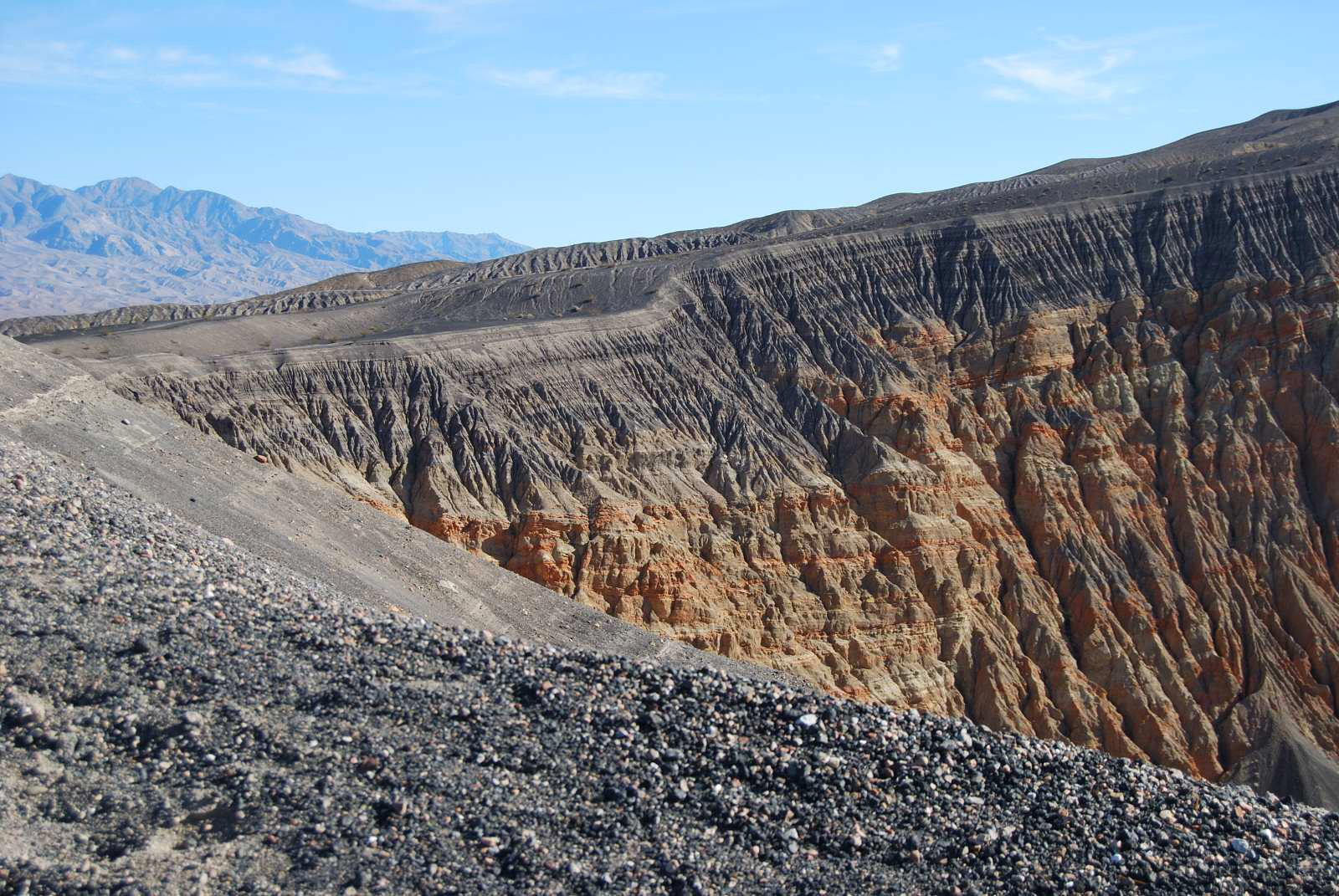
It’s best to wear hiking shoes when walking the sandy trail through Ubehebe Crater. The views here are spectacular from every angle. Mountains and valleys surround you.
Zabriskie Point
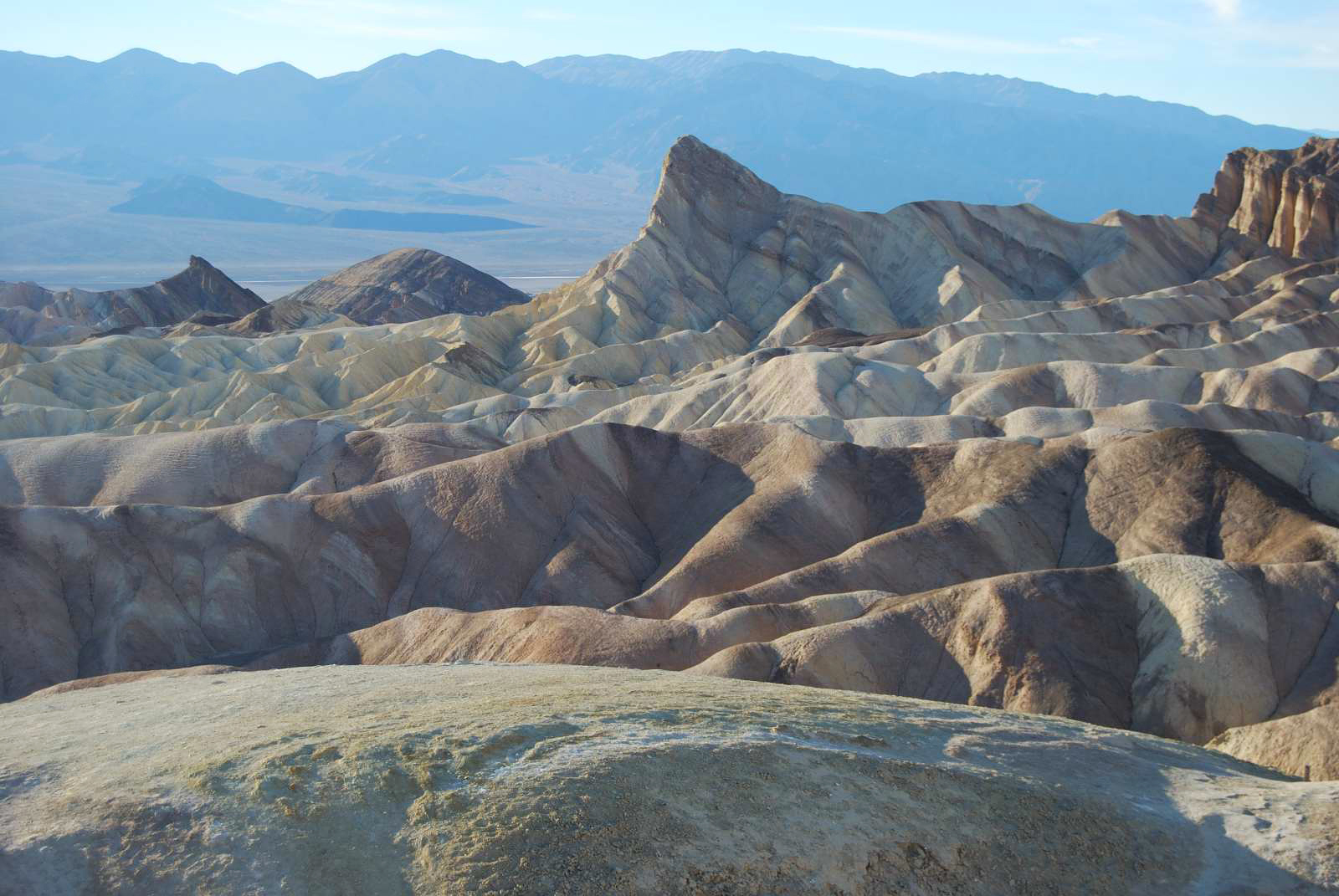
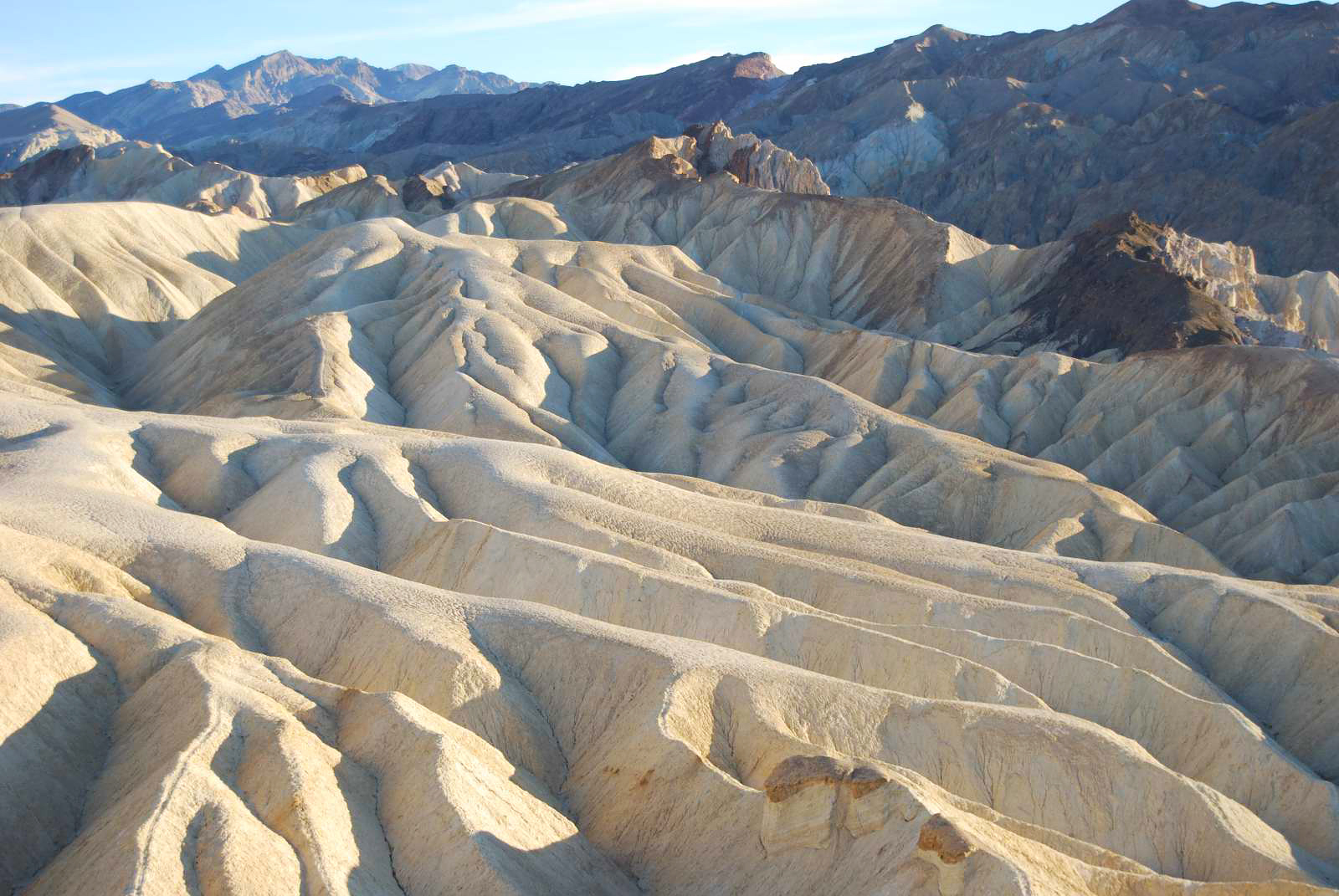
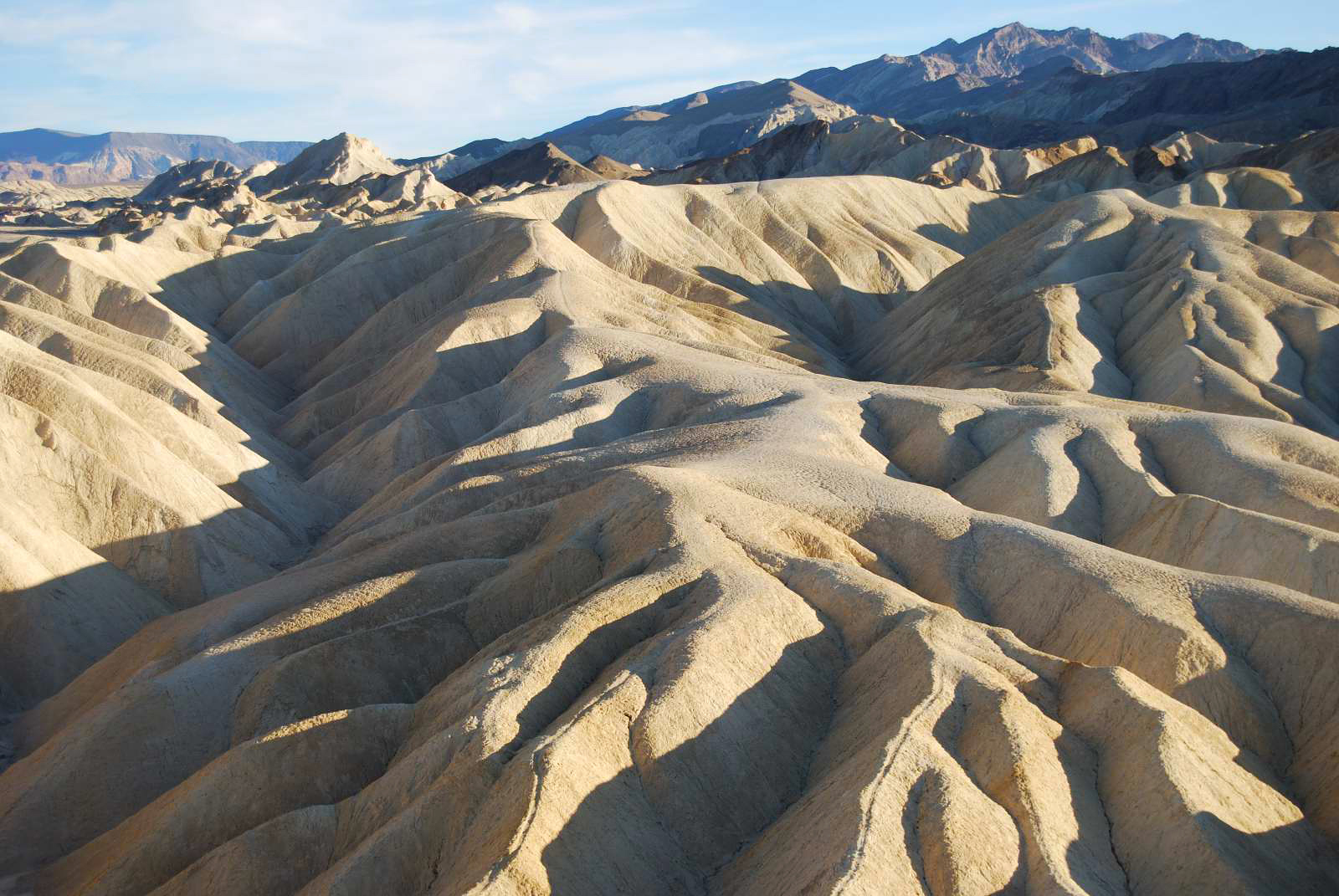
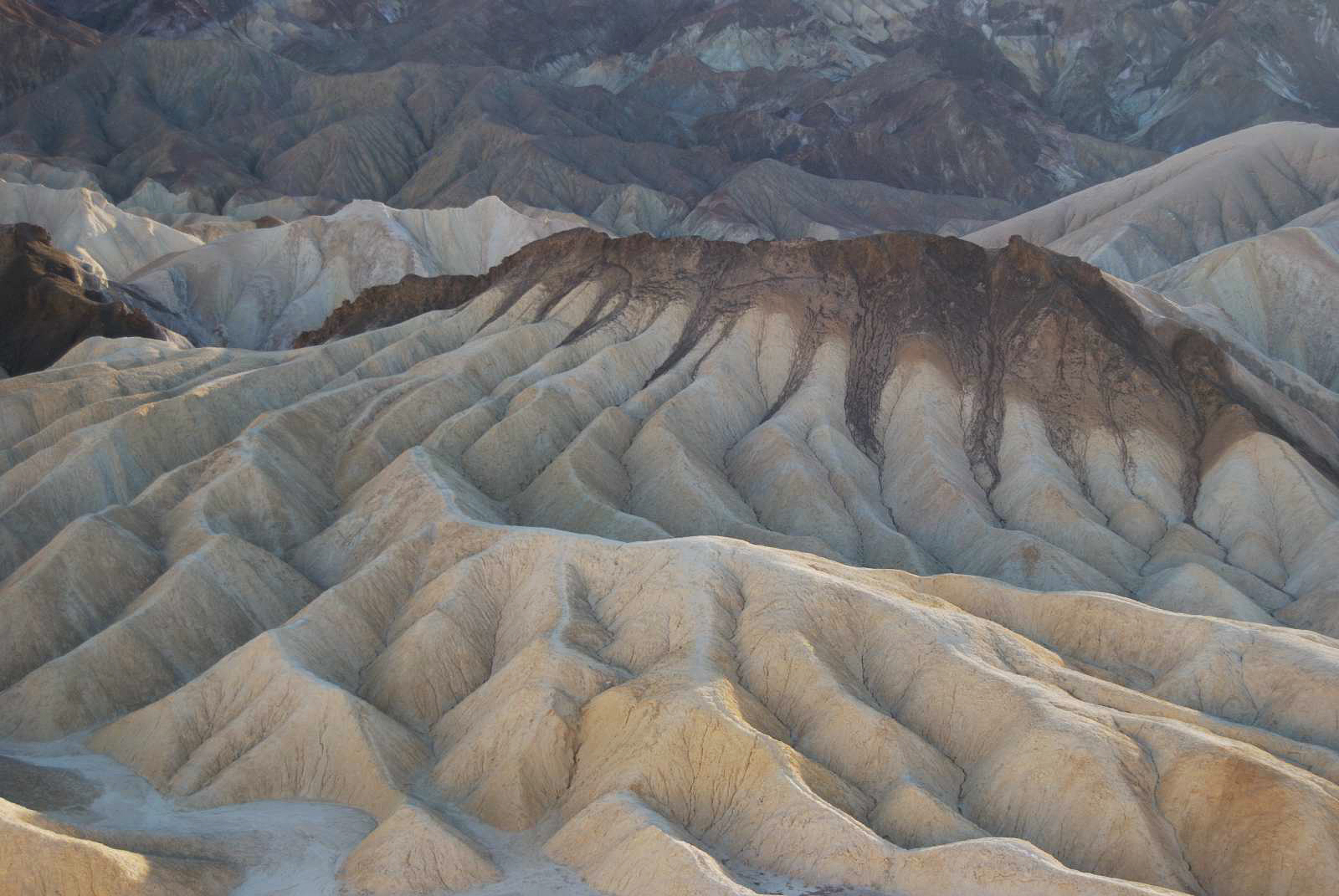
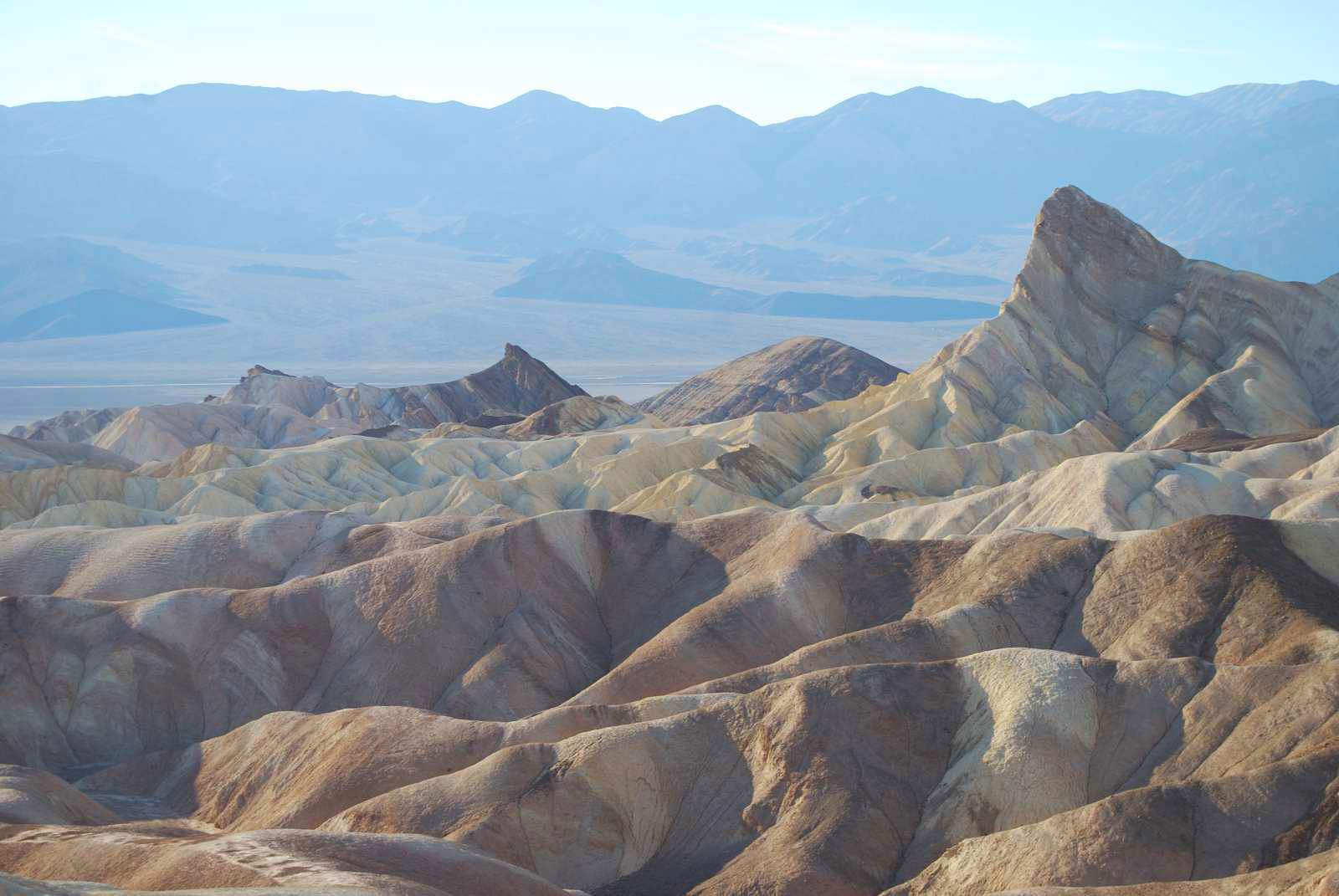
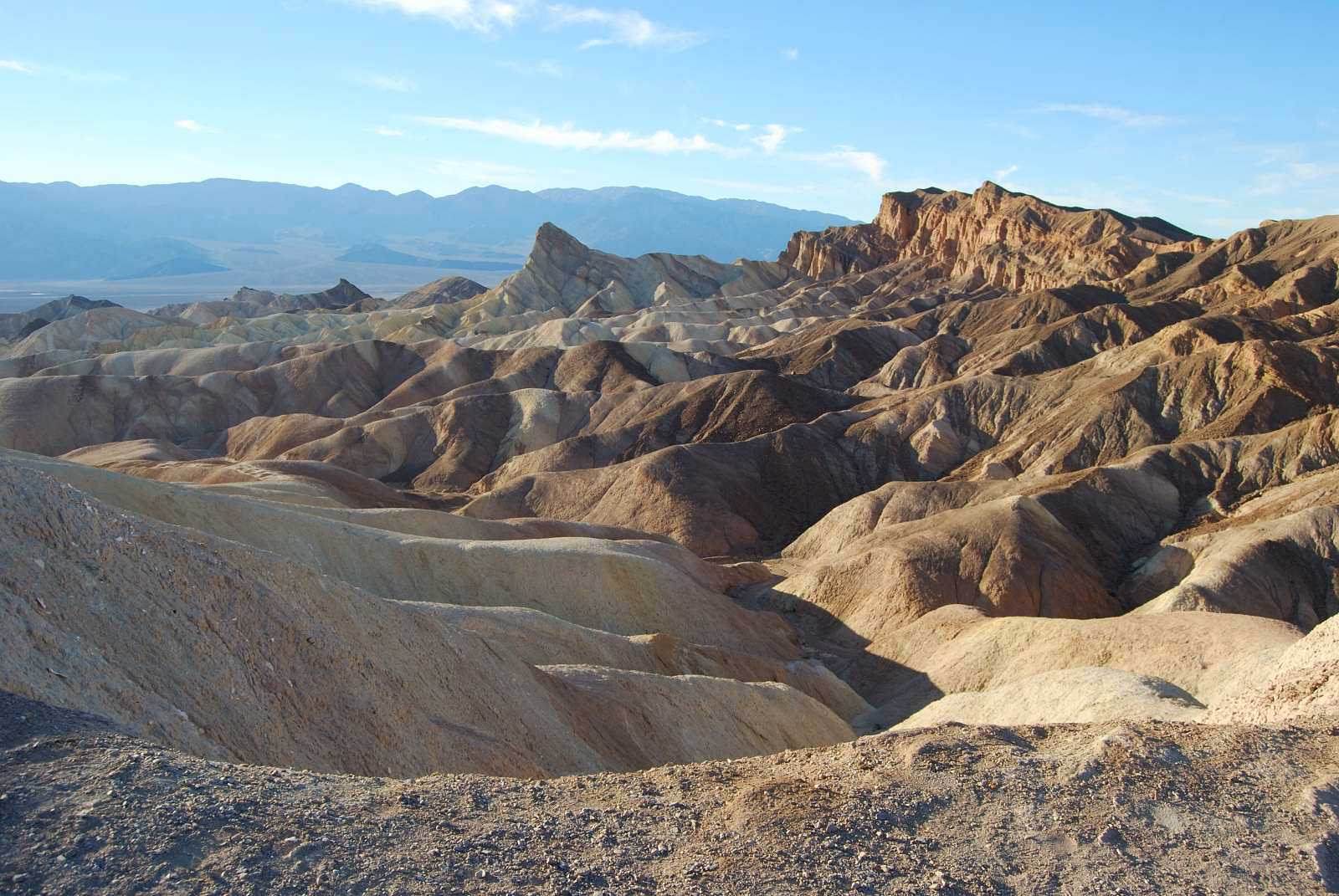
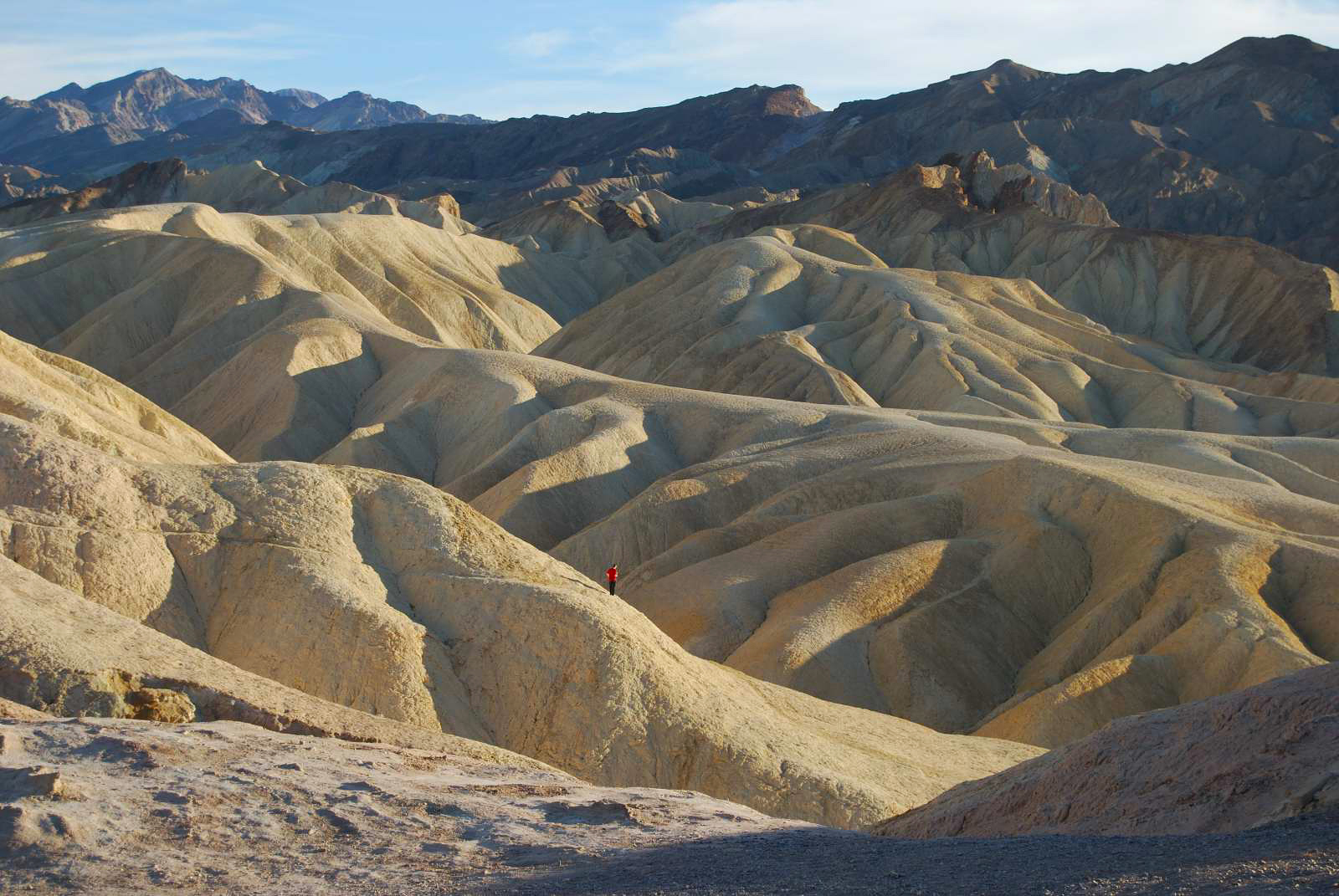
If you have already seen the 1970’s American avant-garde film, Zabriskie Point, directed by Michelangelo Antonioni, then you are familiar with the allure of this location. The rock patterns, shades, and contours are varied. Zabriskie Point almost feels organic and alive.





Dante’s View at Sunset
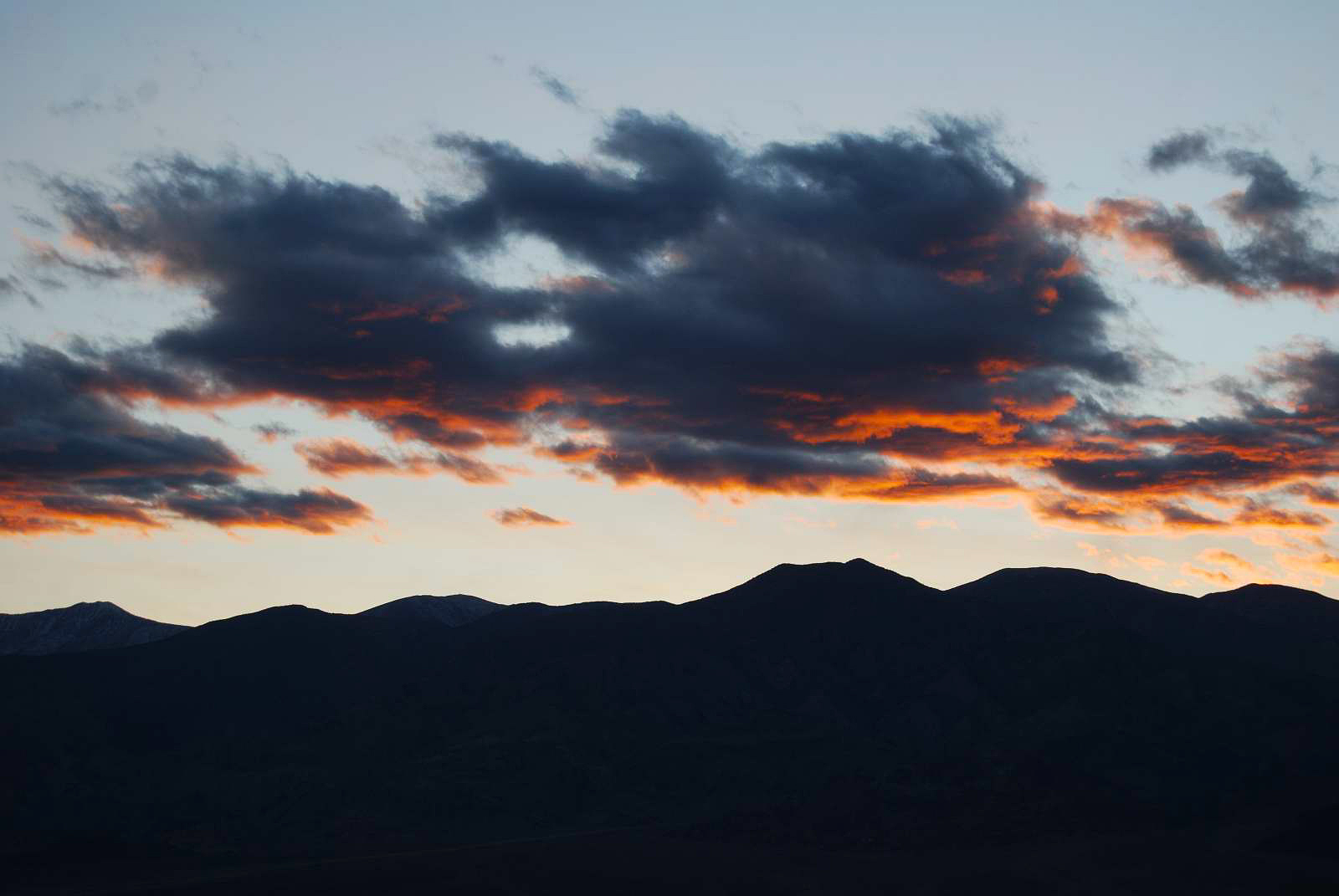
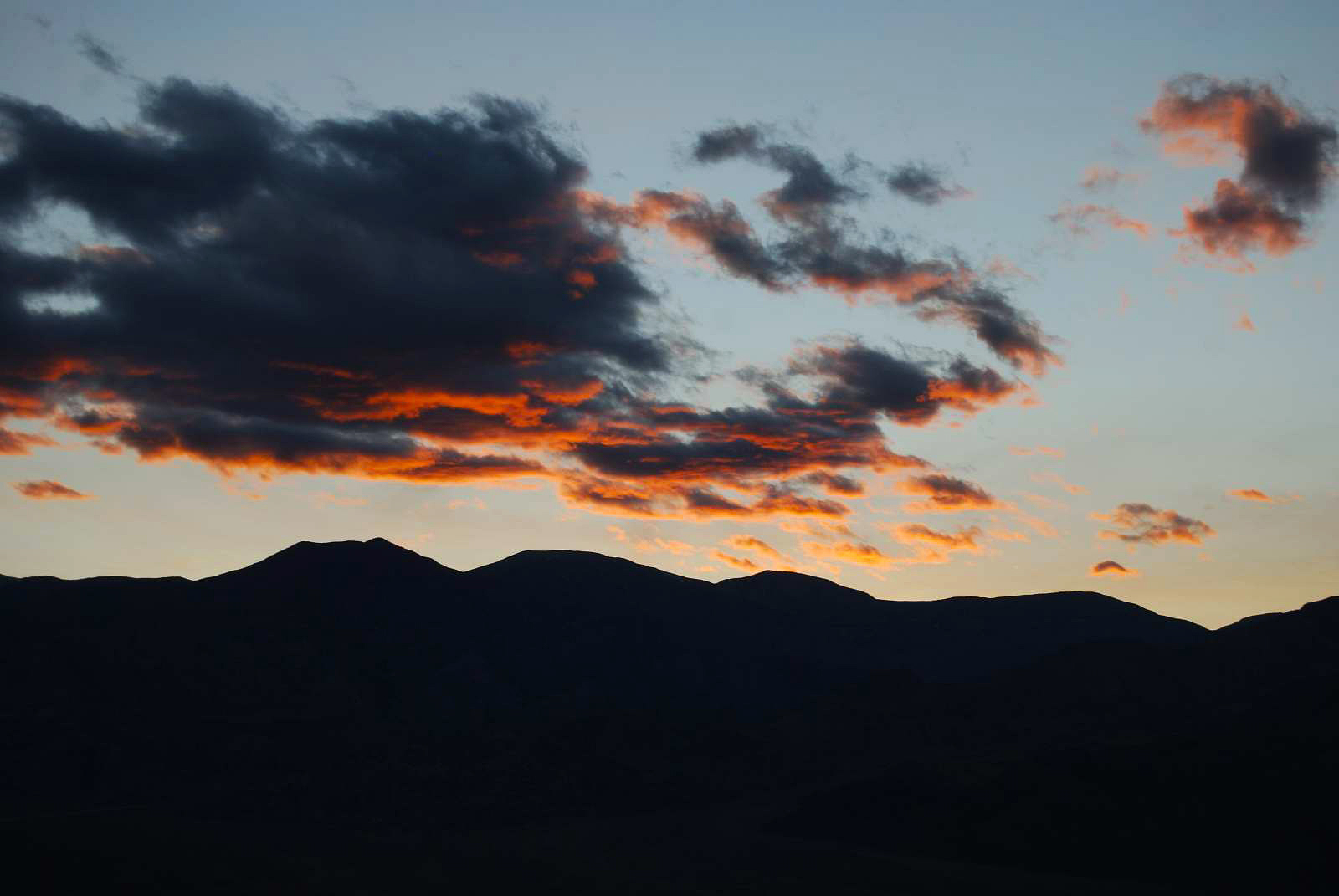
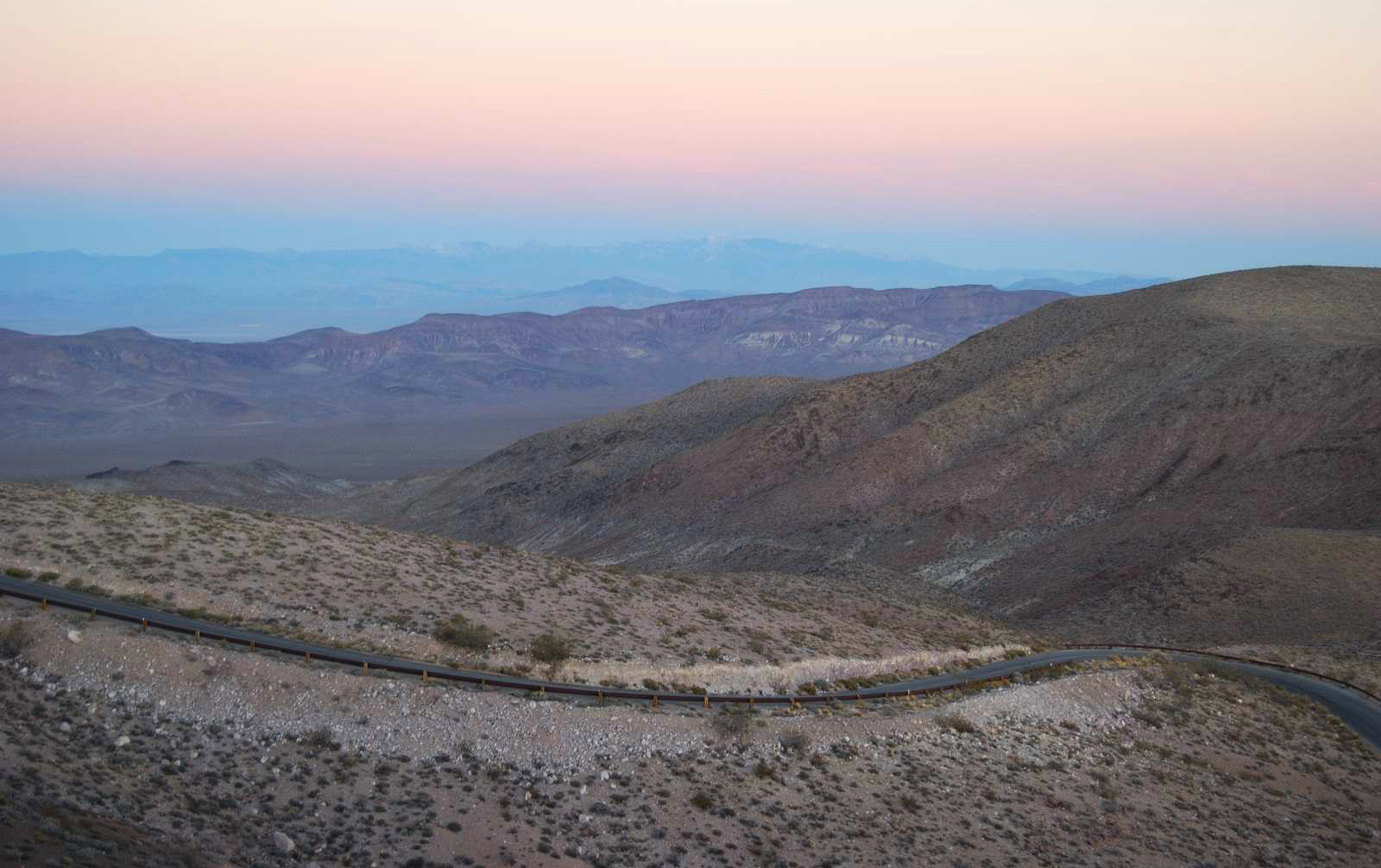
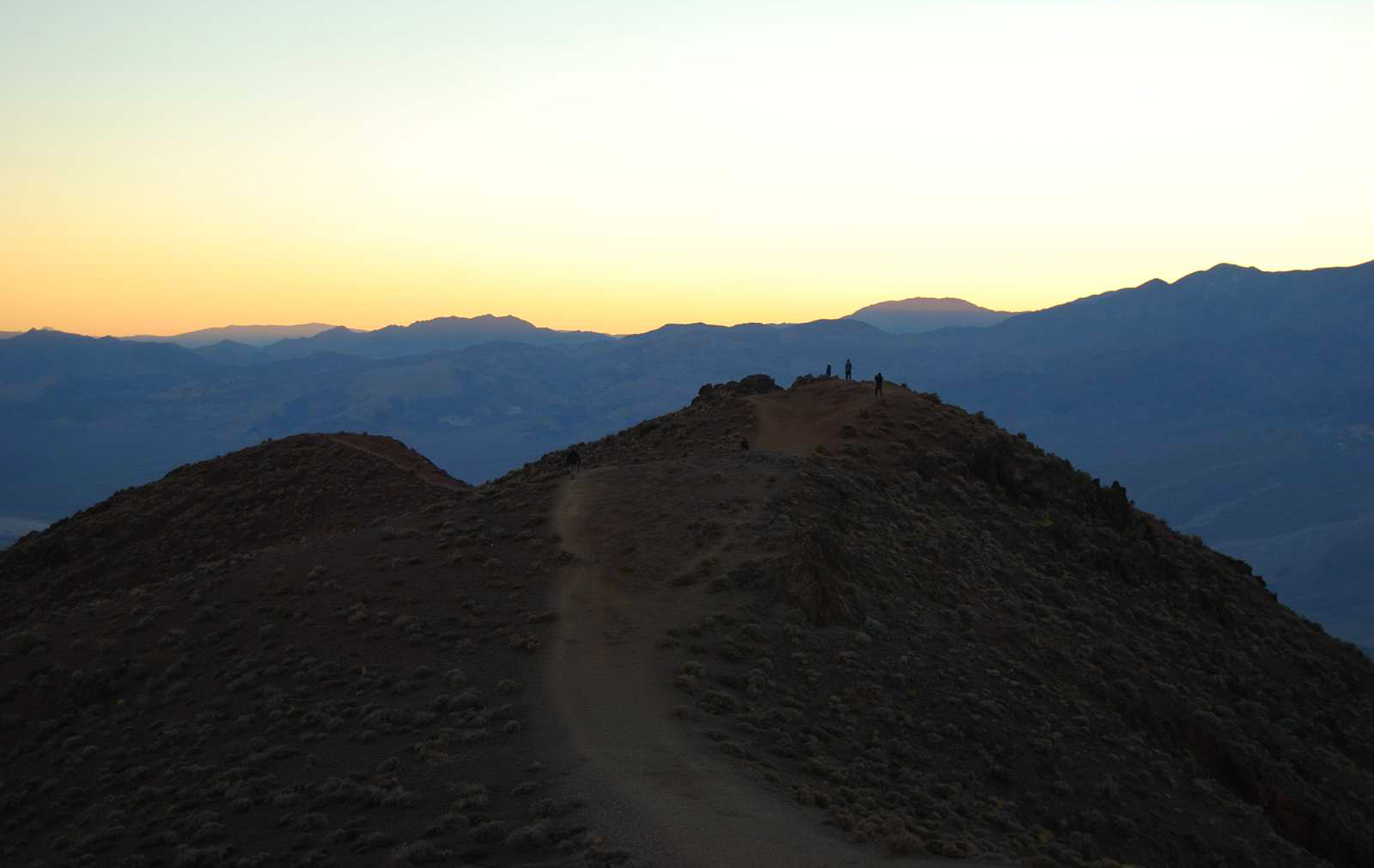
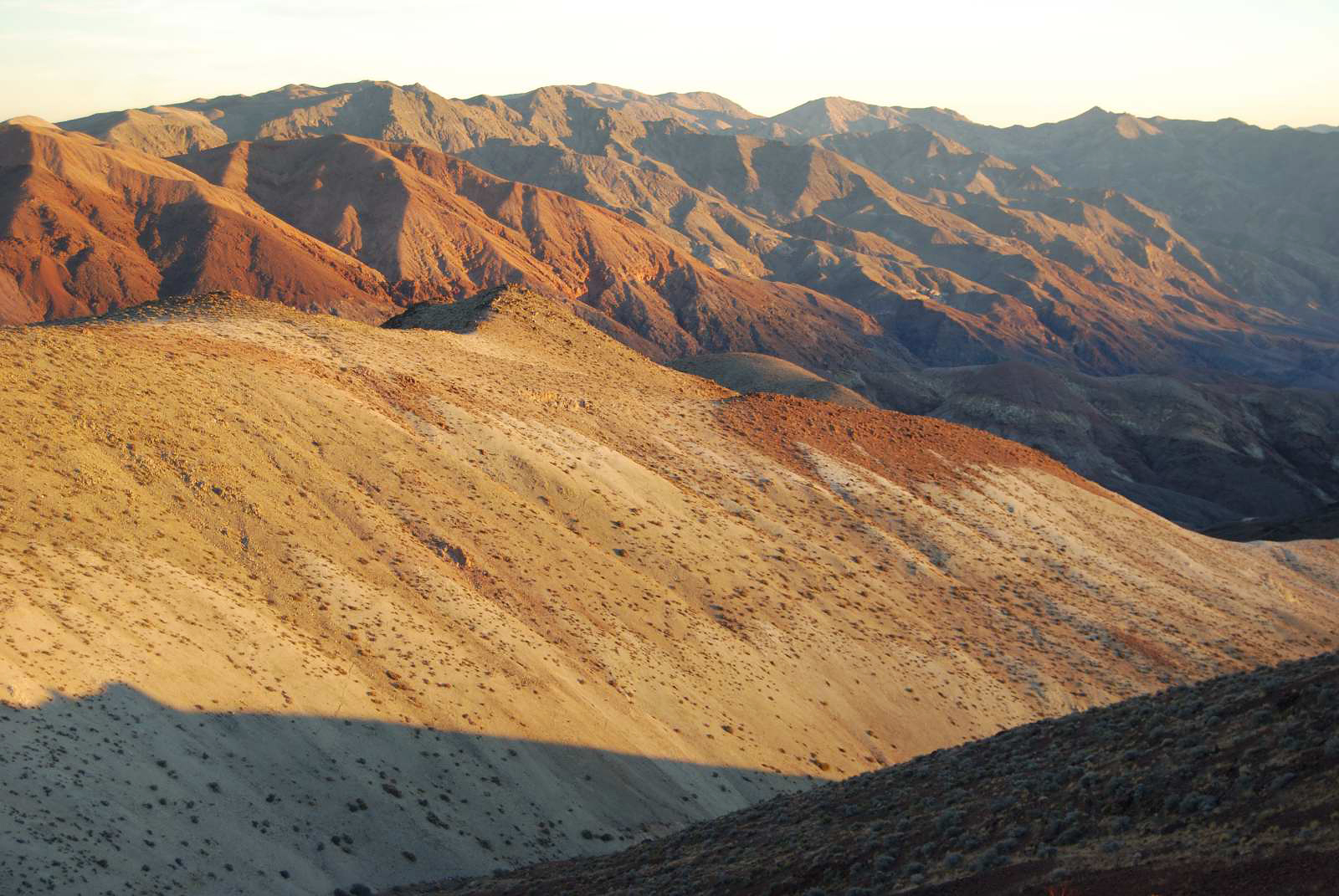
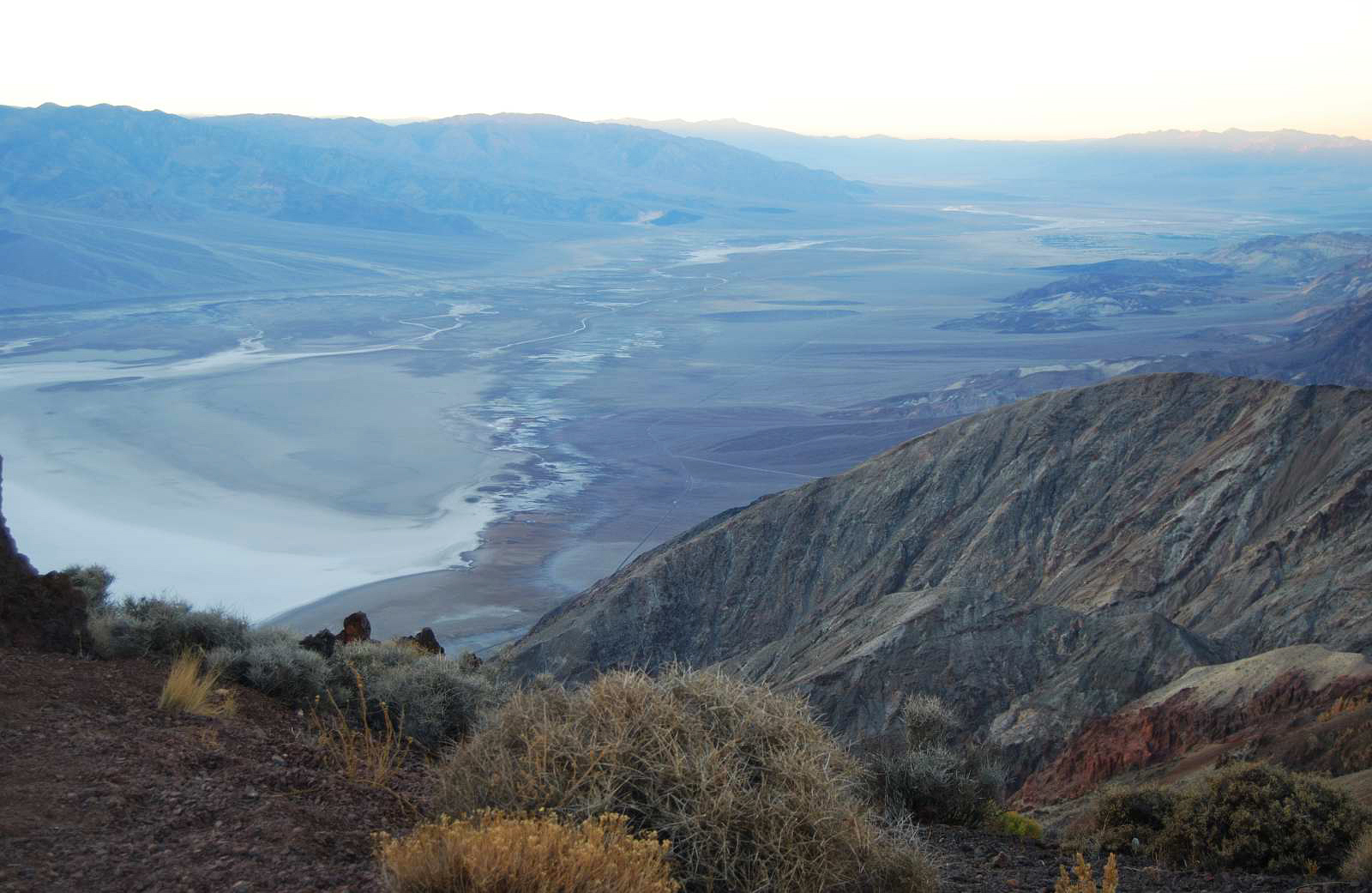
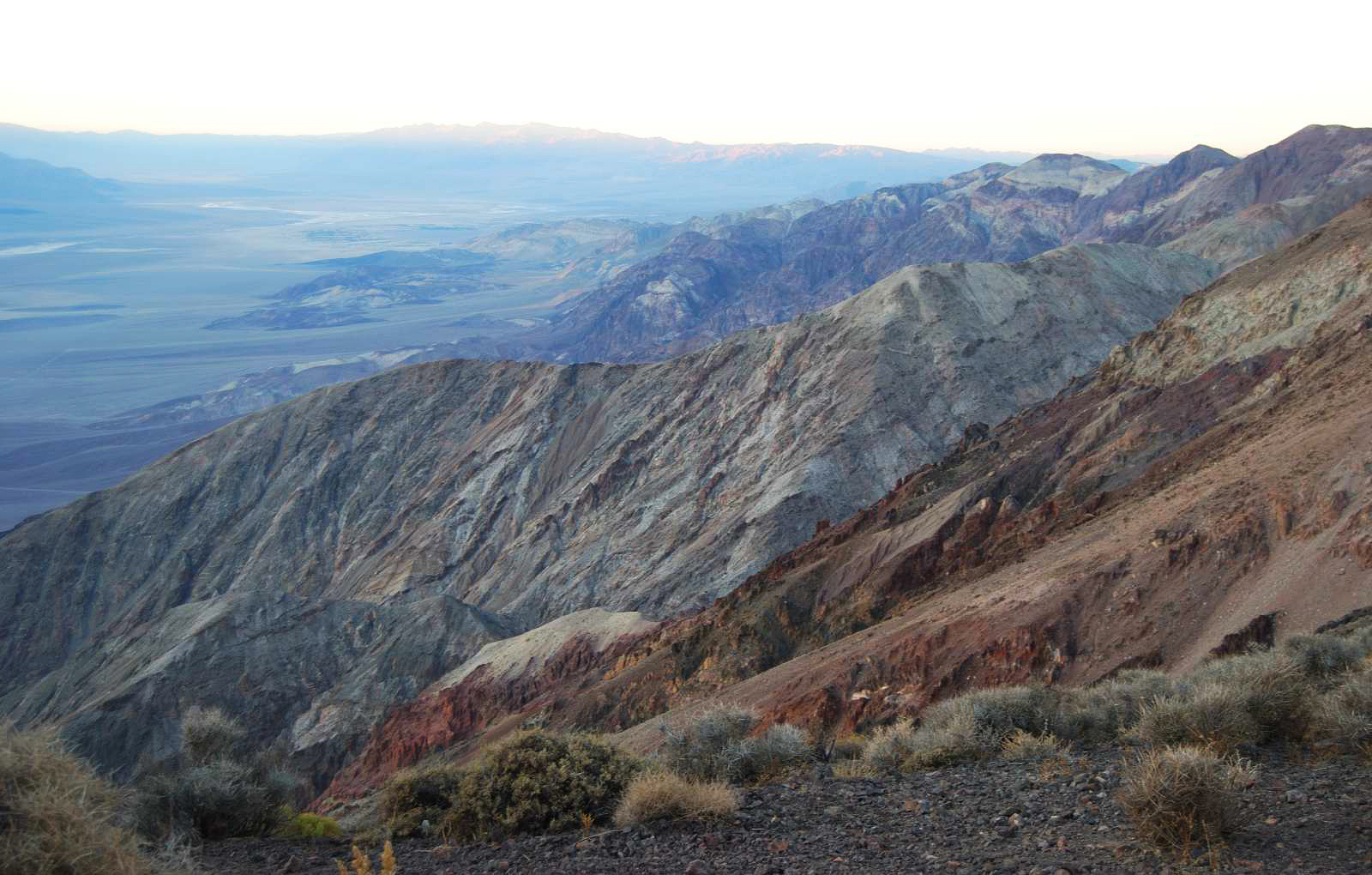
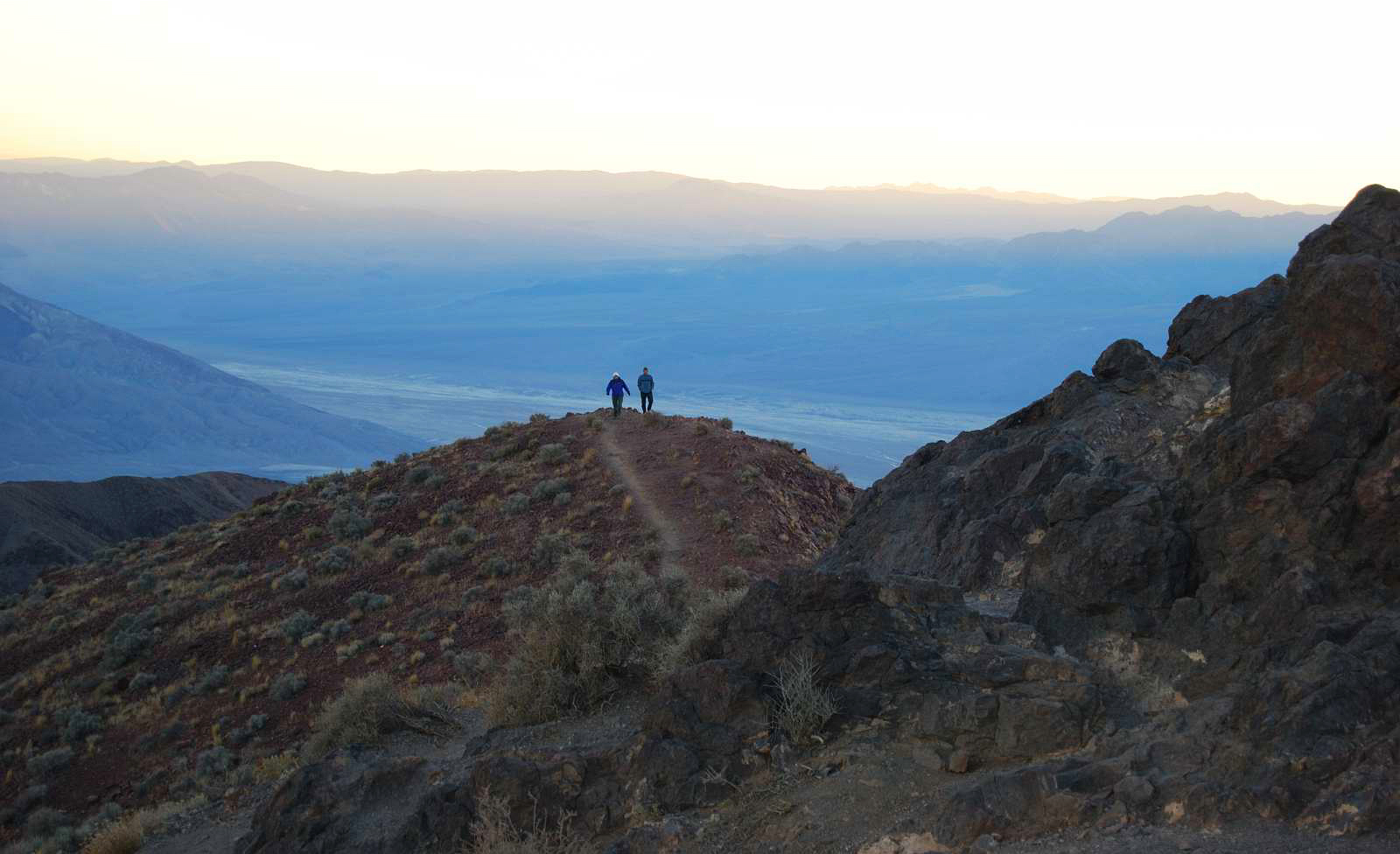
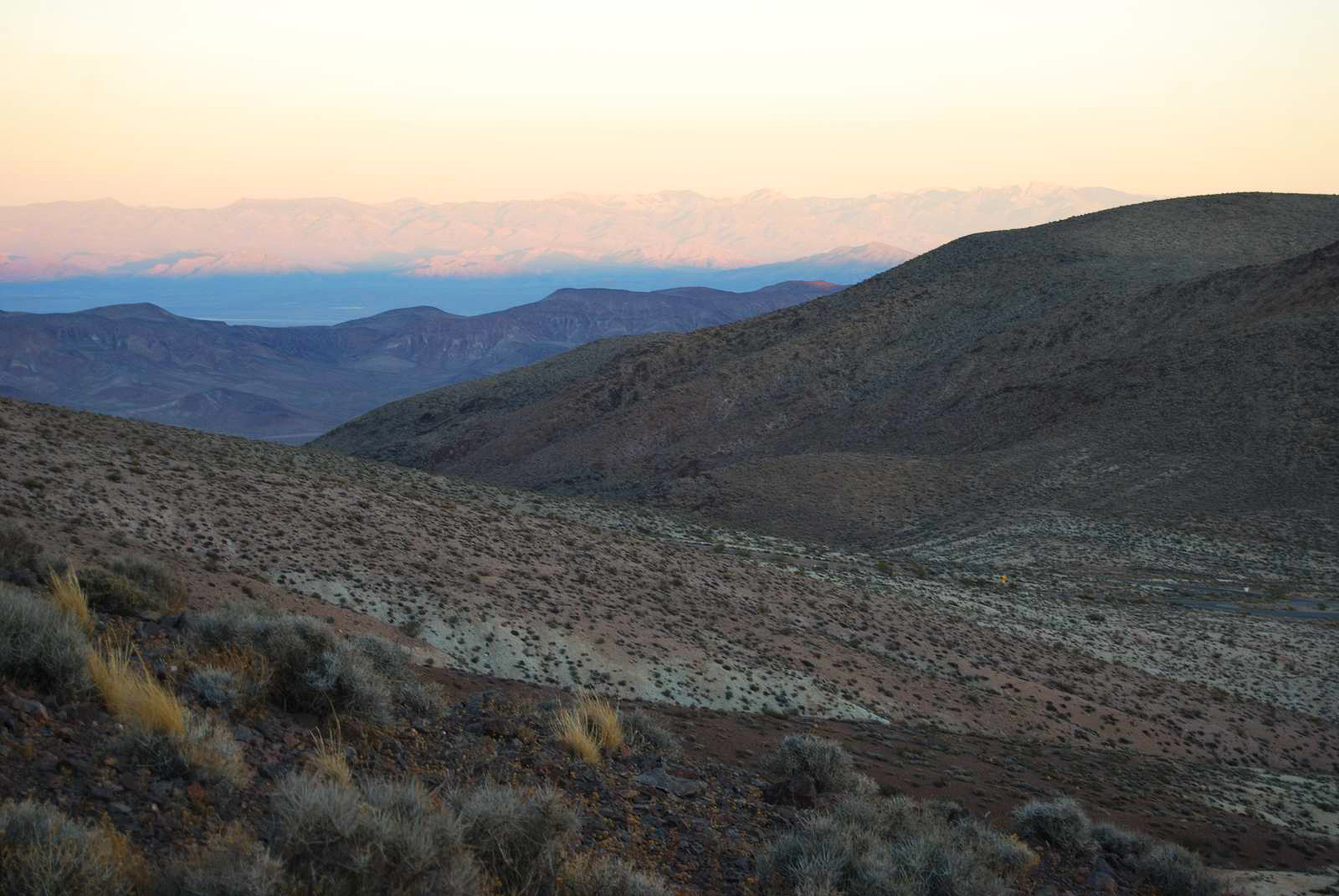
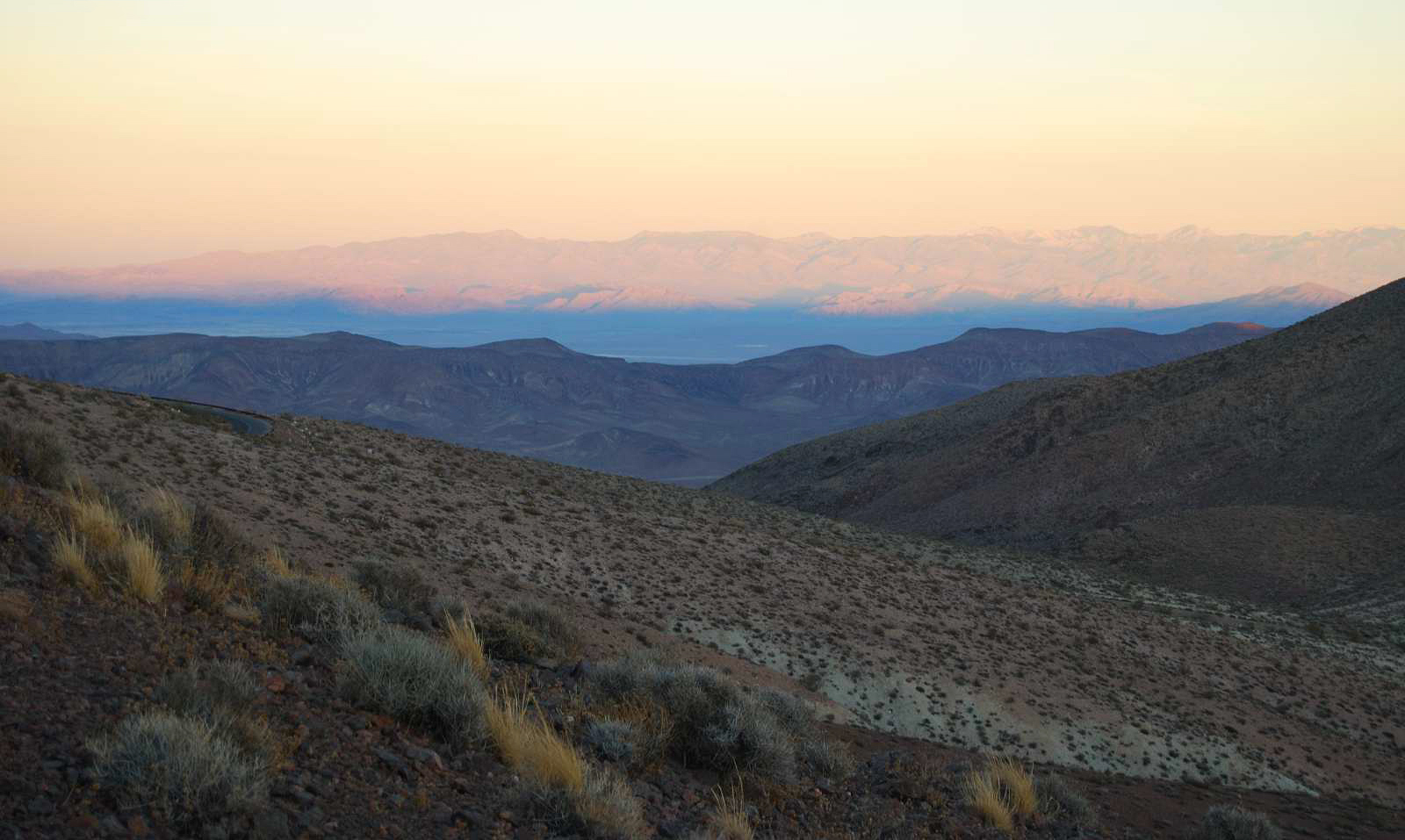
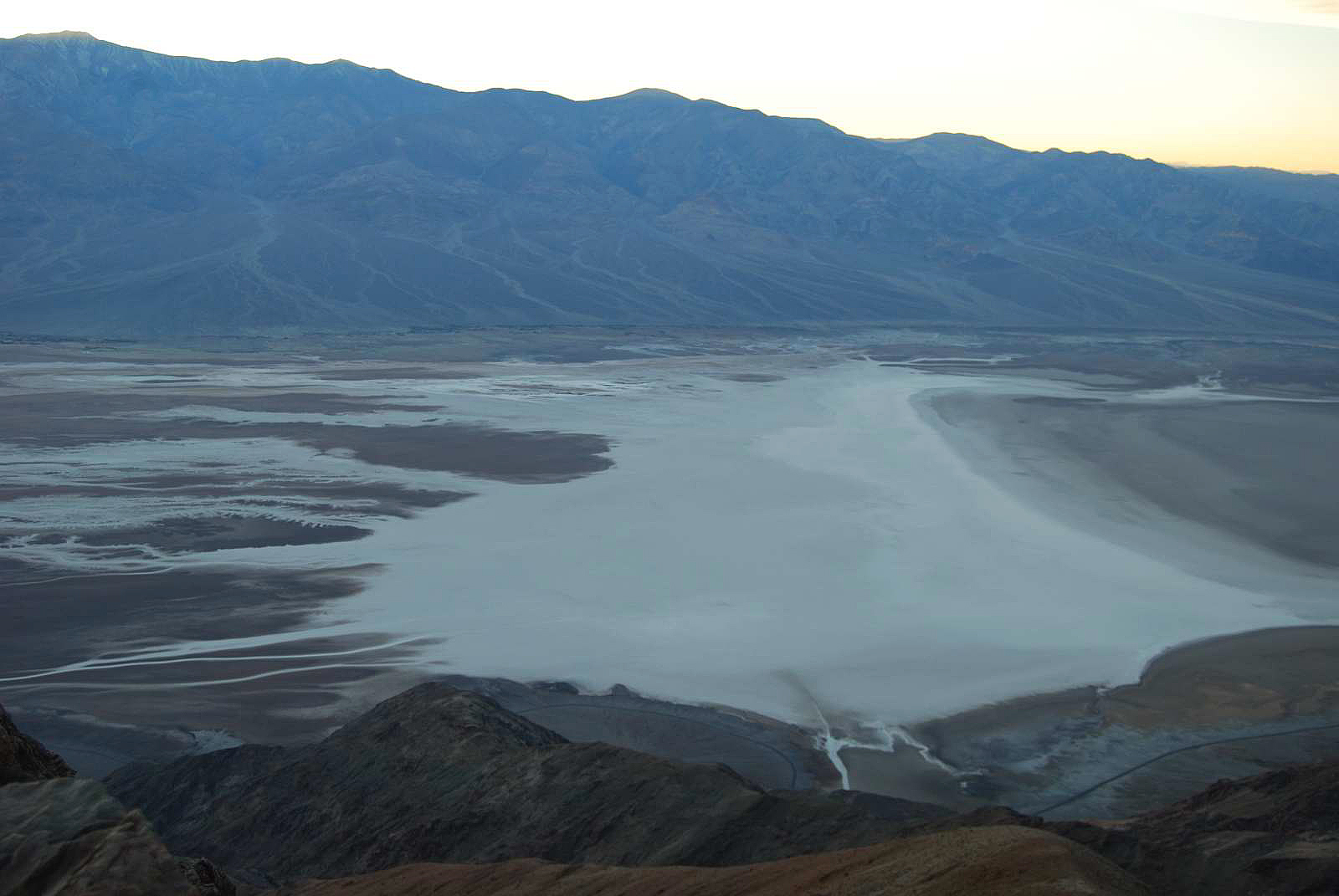
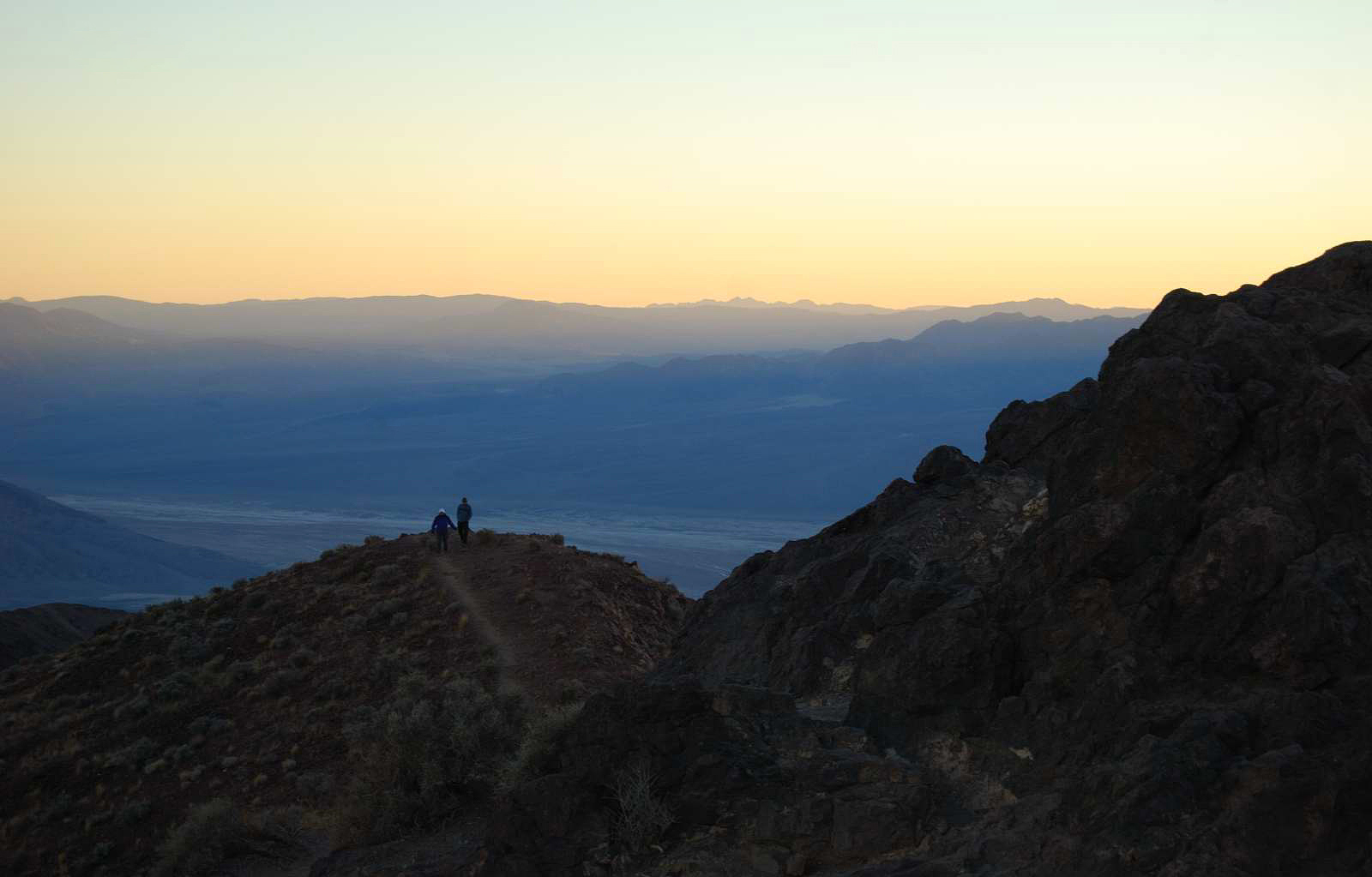
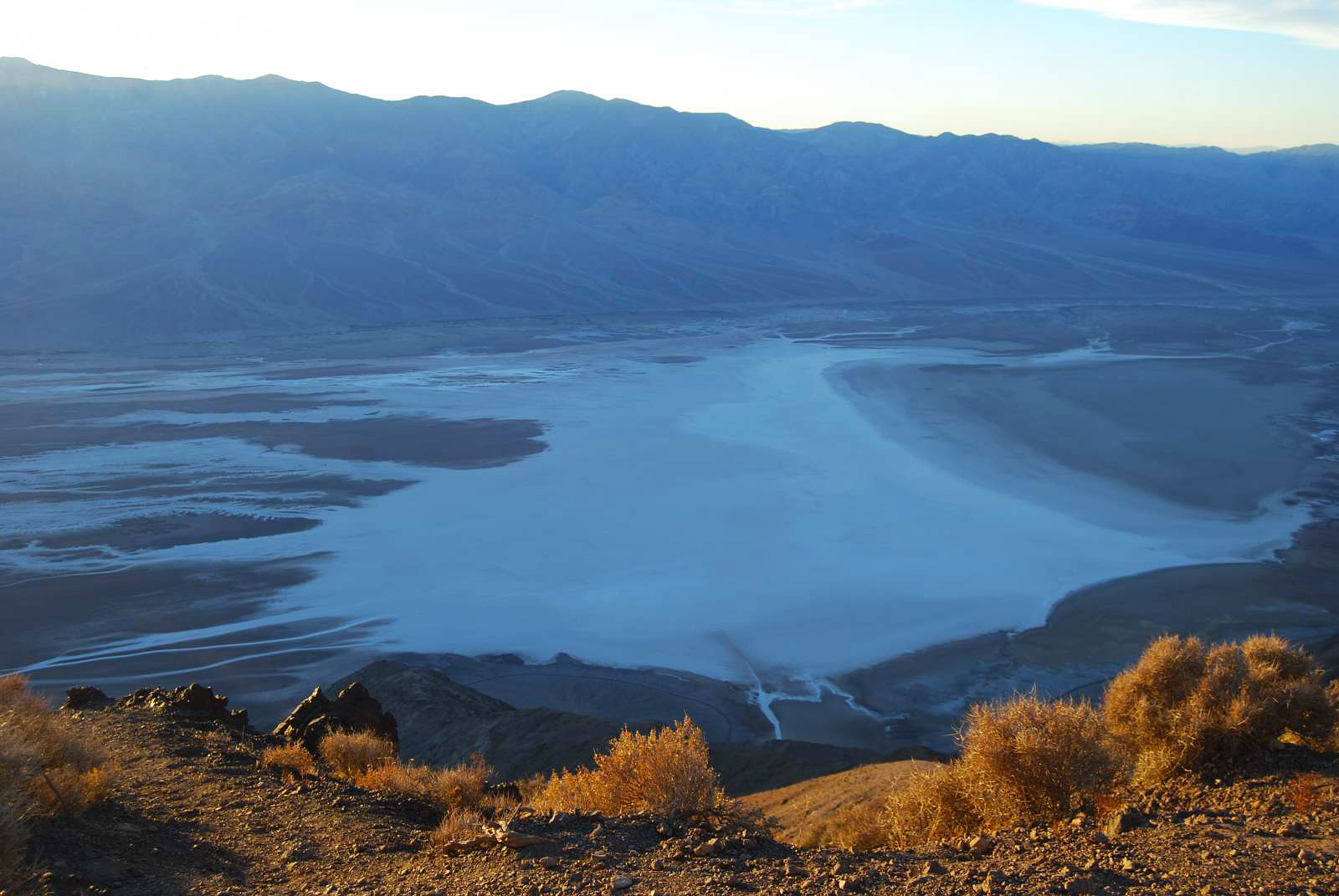
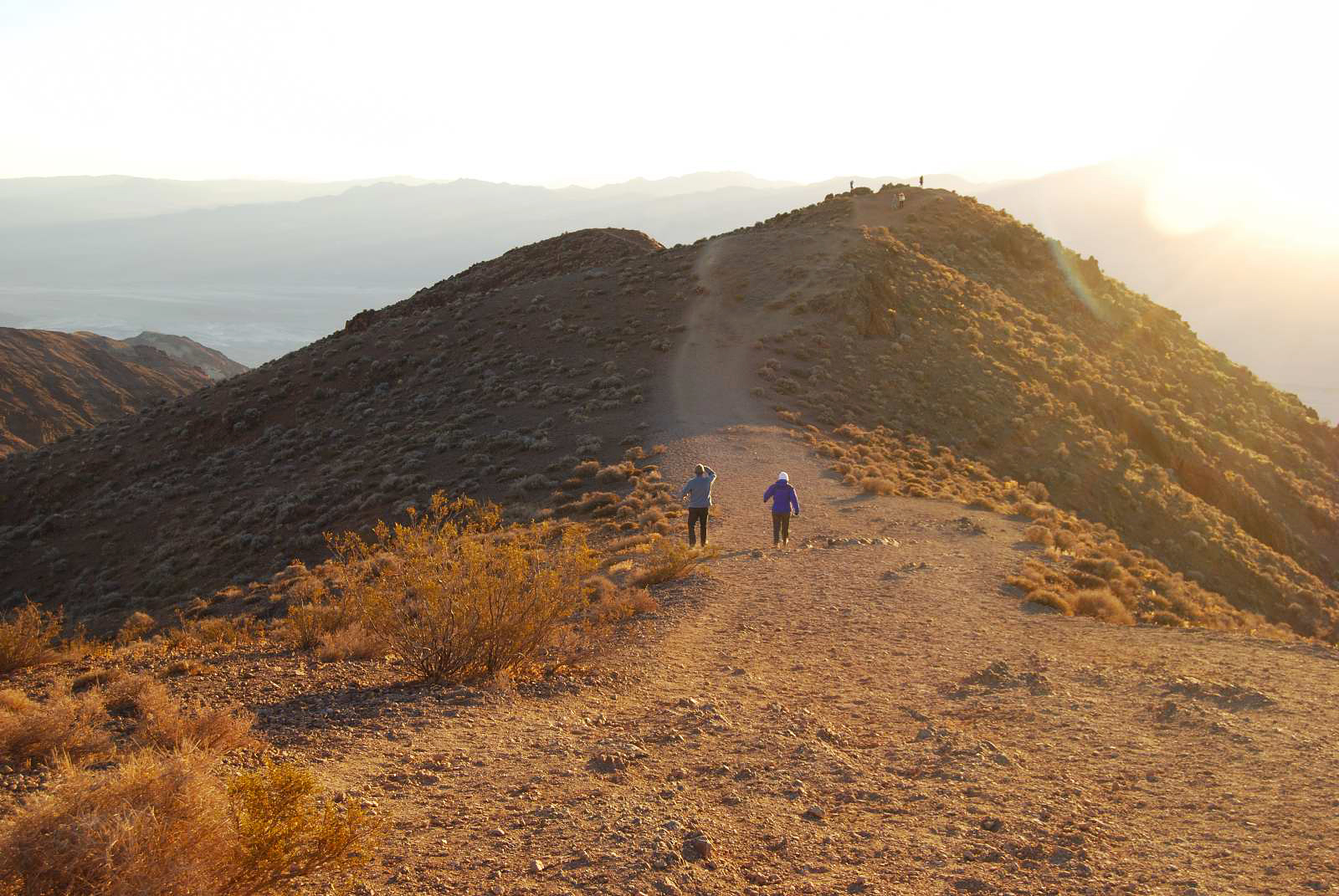
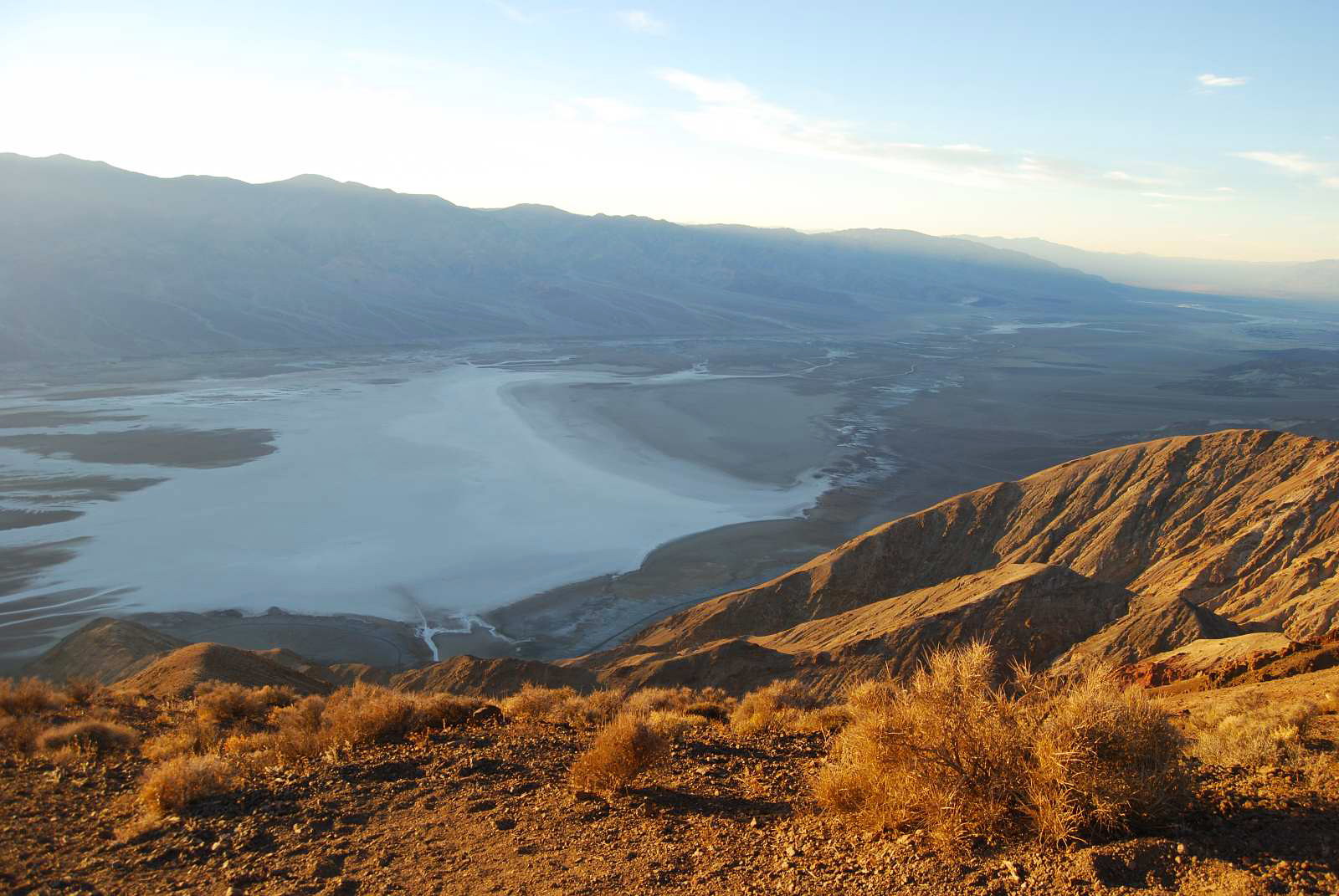
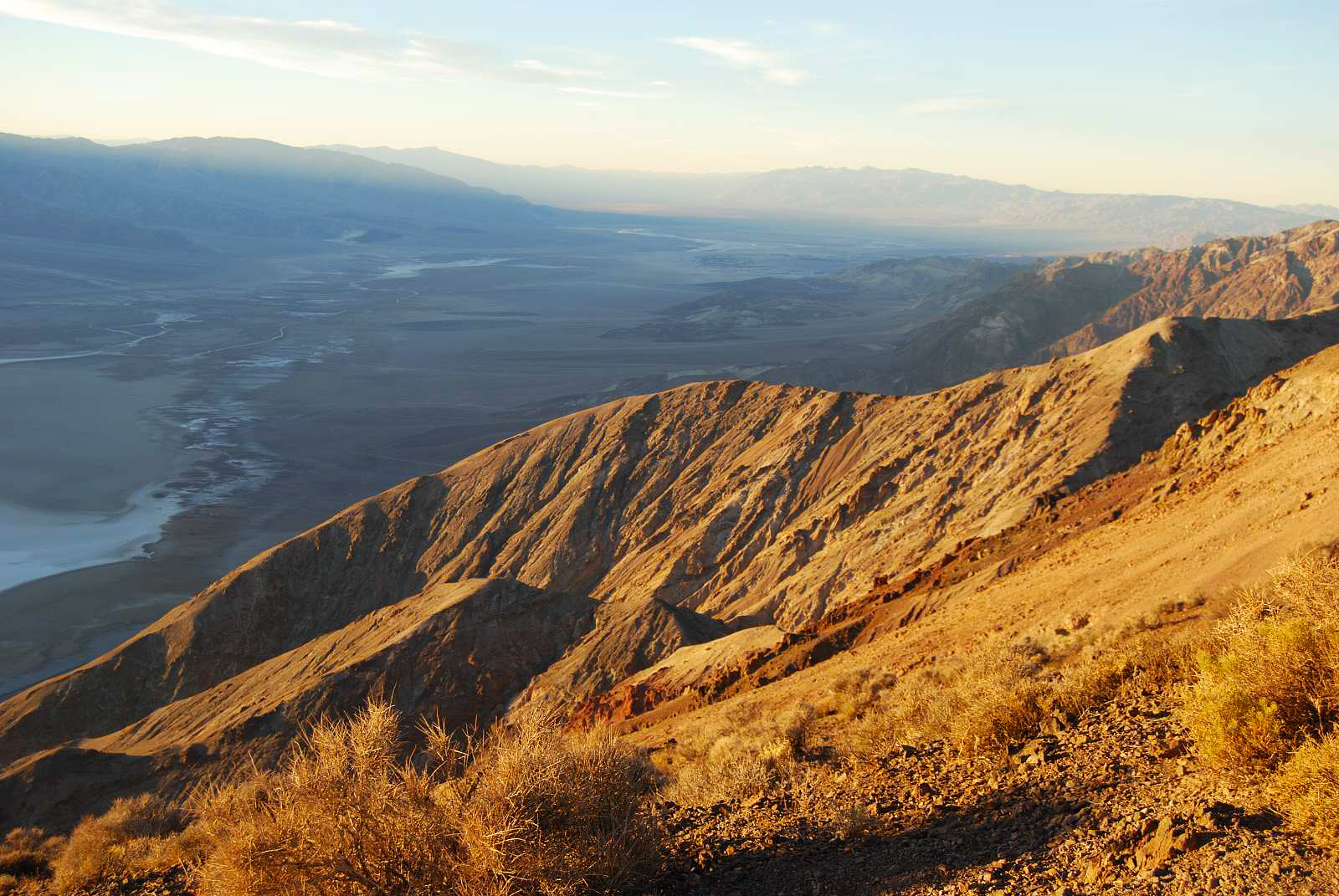
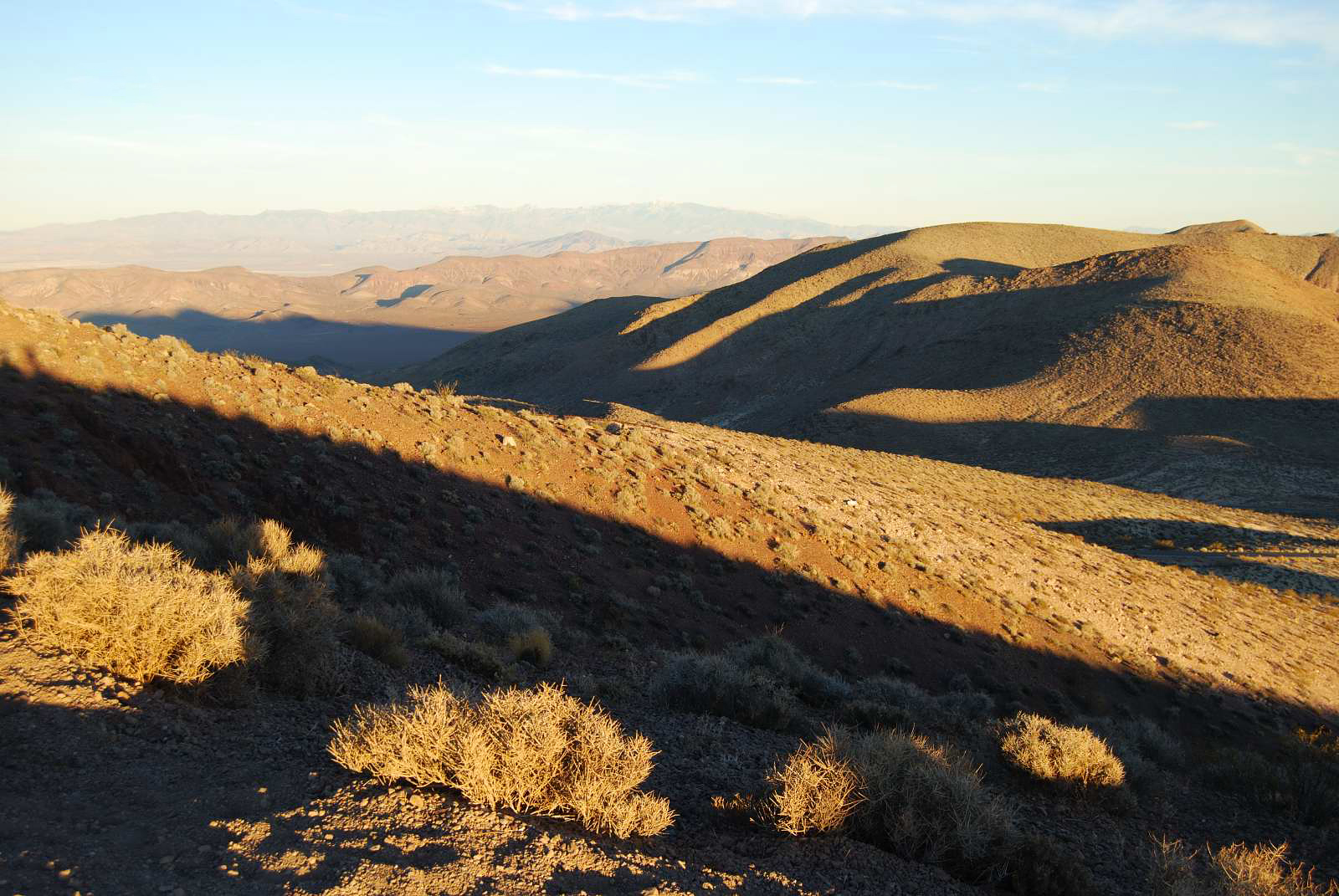
After seeing sunsets at Artist’s Palette and Badwater Basin, we found ourselves craving more. Once again, we were rewarded by the sunset at Dante’s View. From this overlook, we could finally take in the full expanse of Badwater Basin. I’ll let the photos speak for themselves.



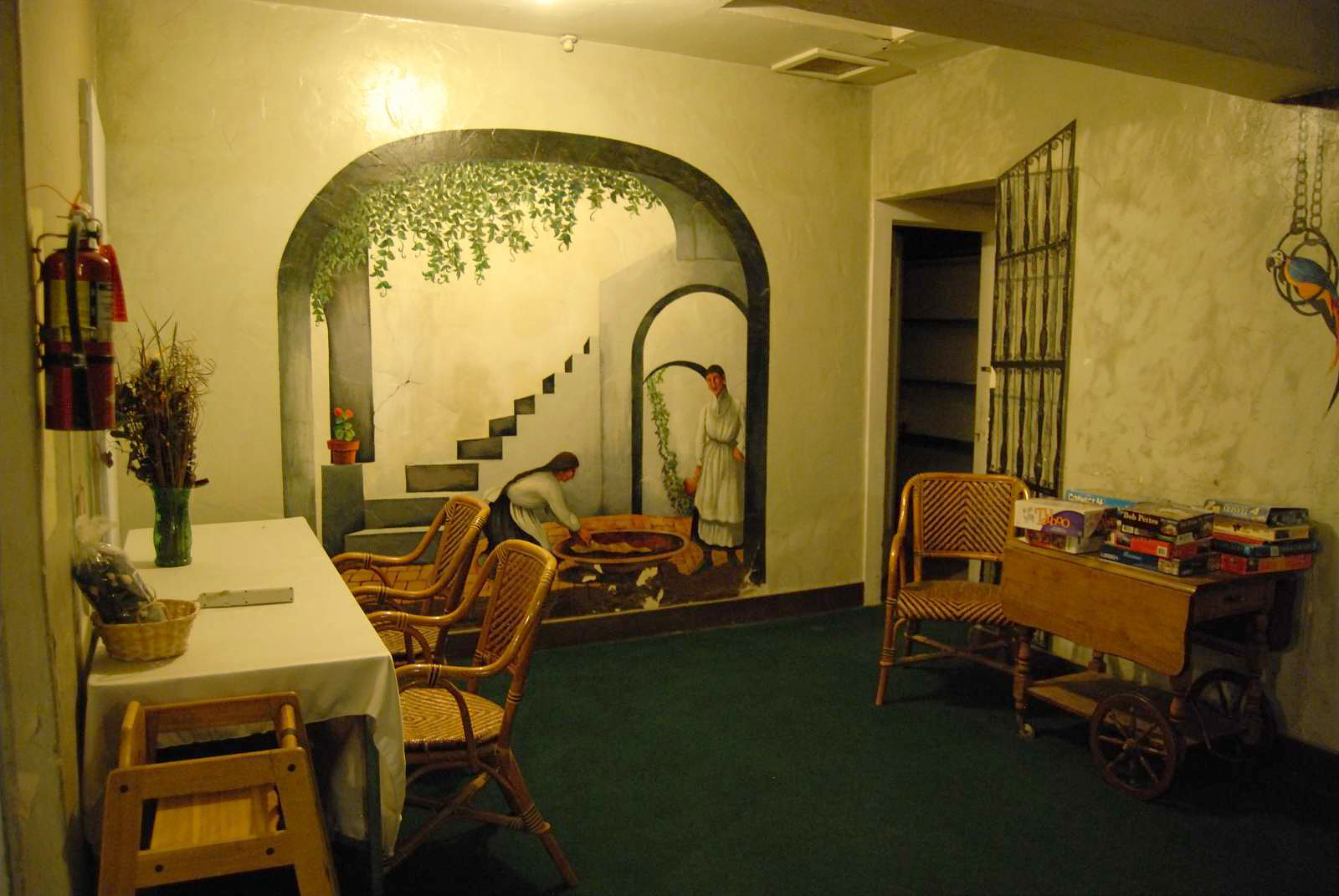
Amargosa Opera House and Hotel
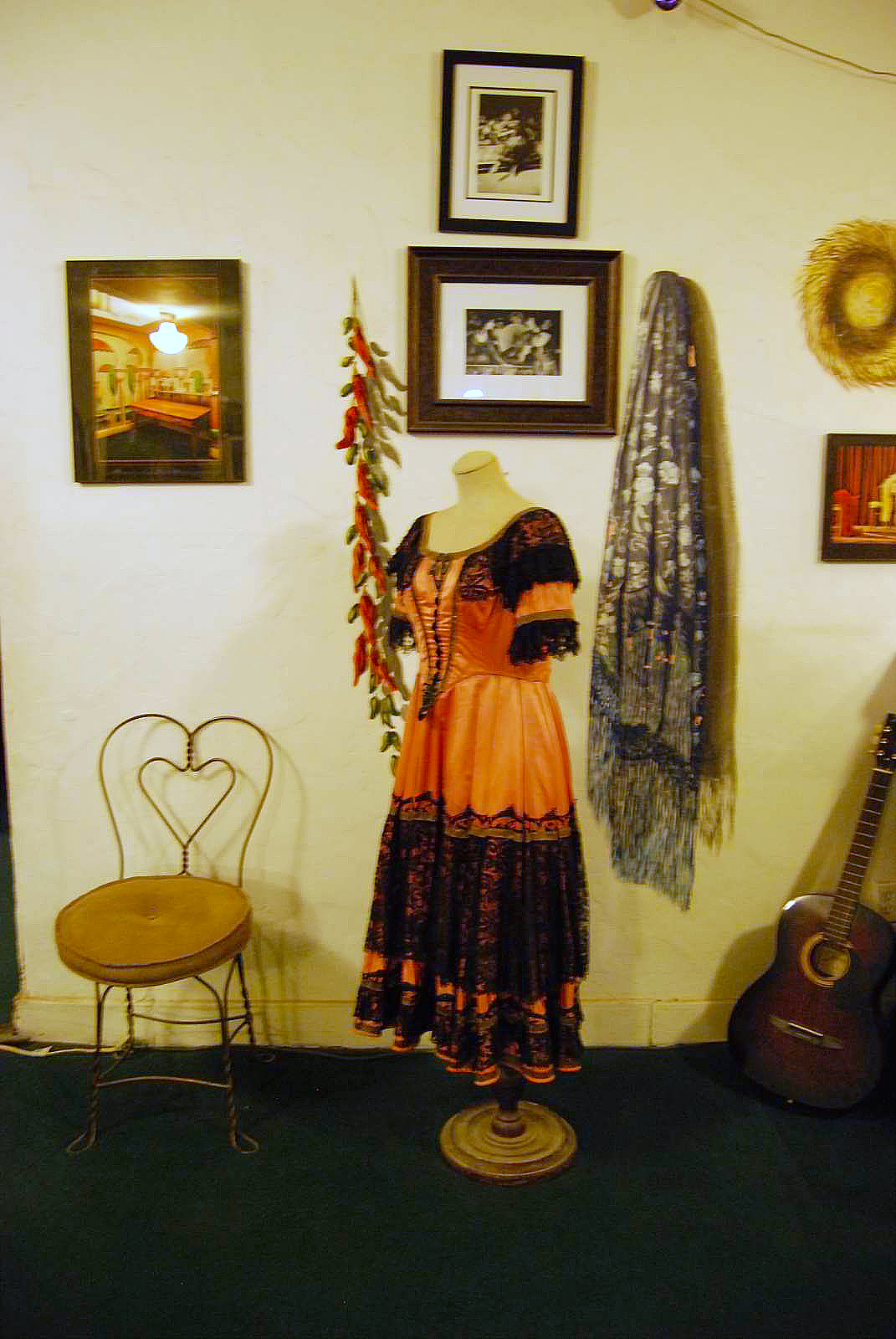
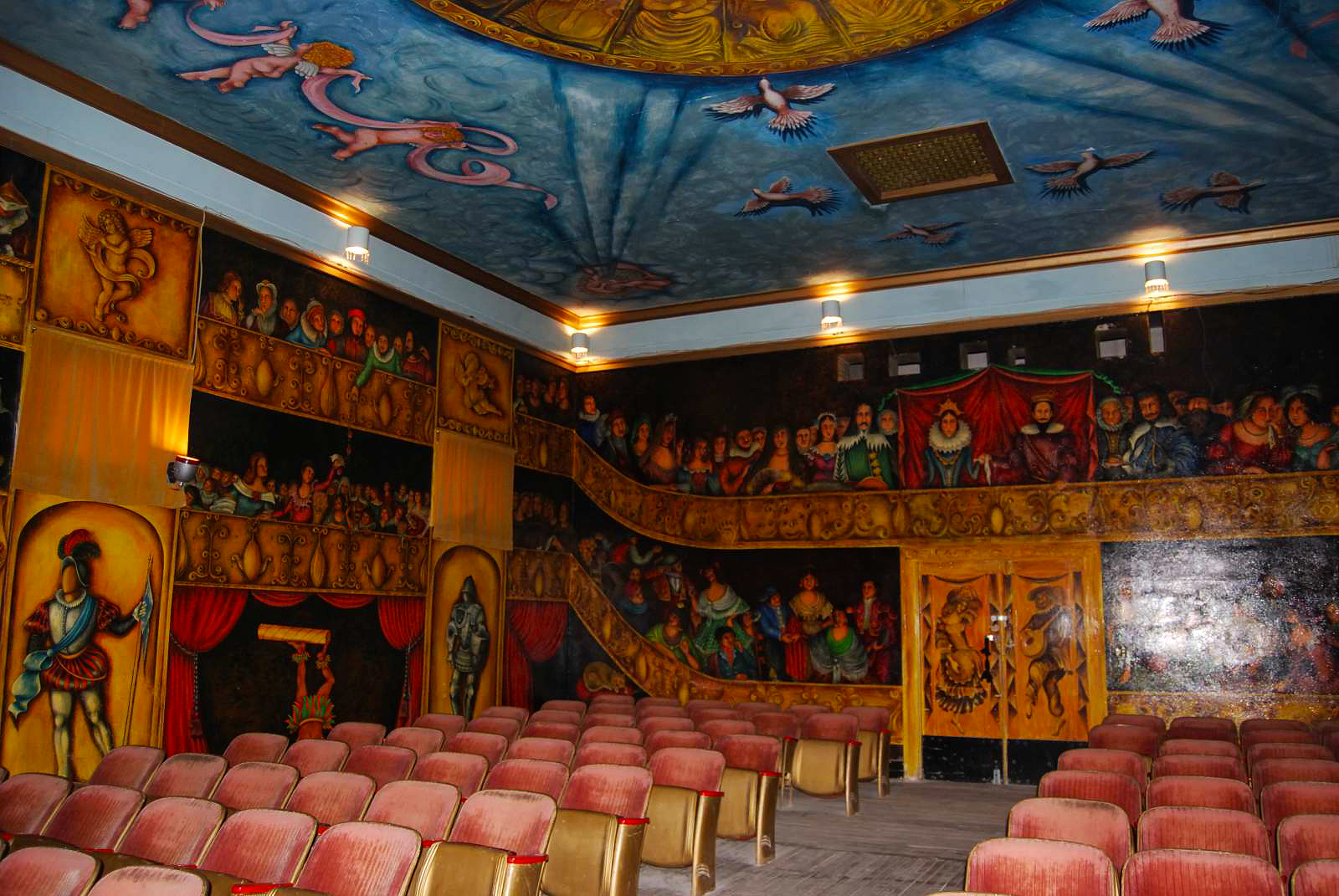
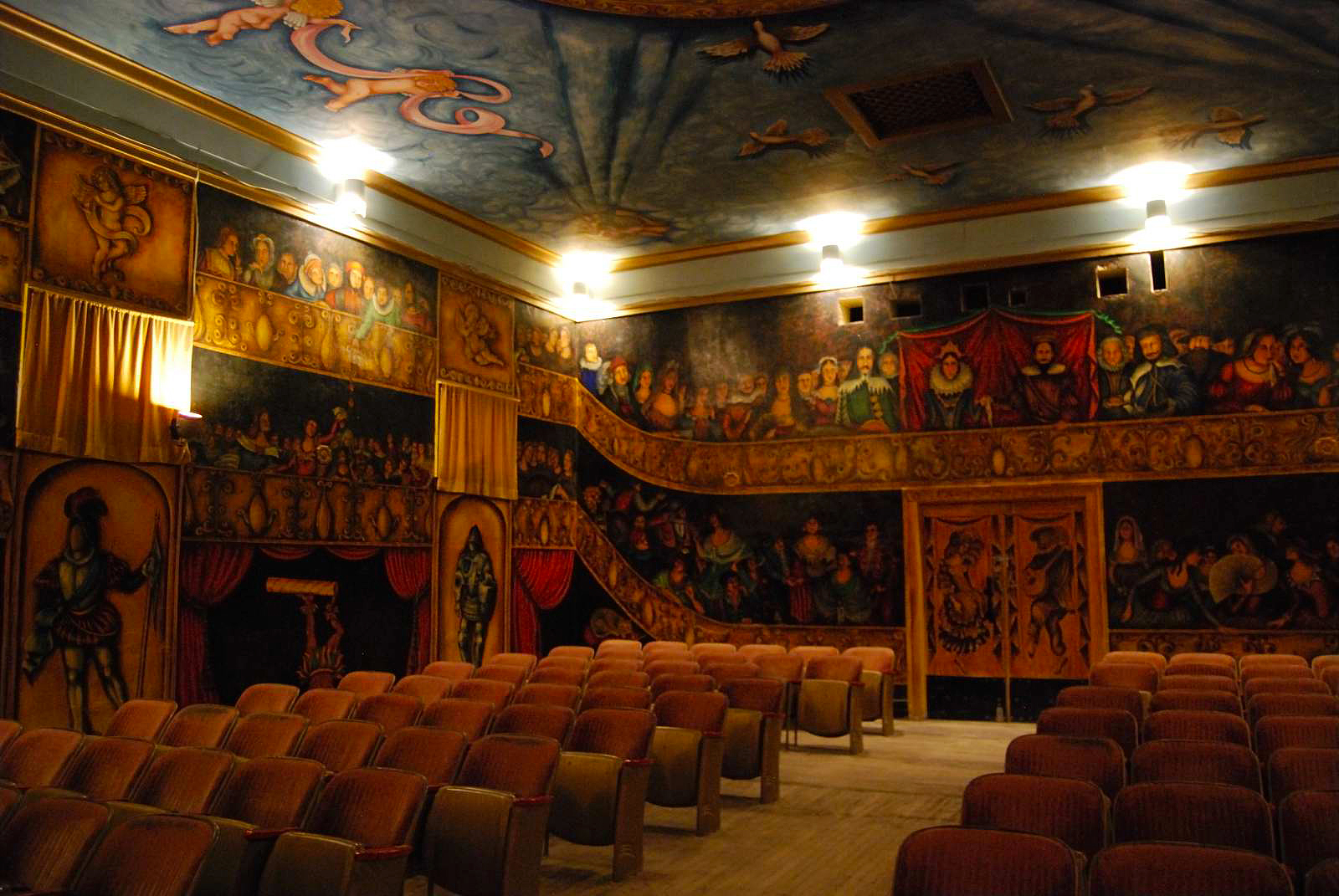
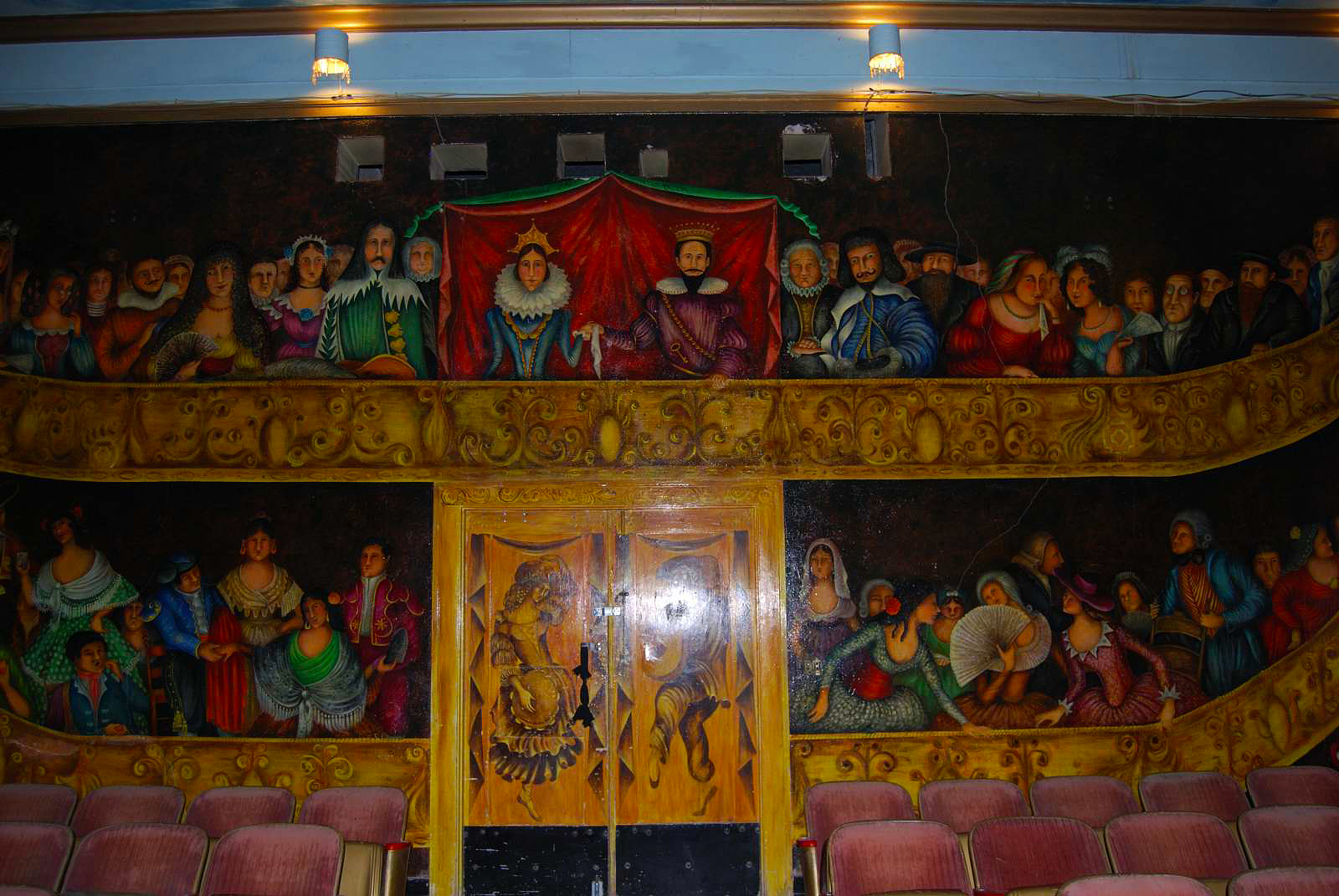
There’s so much to say about the Amargosa Opera House. It is truly a masterpiece—created and owned by an inspirational artist Marta Becket. We nearly missed our chance to see this rare gem, as it was a bit off course. We were en route for our long drive to Joshua Tree National Park, and it was already getting dark. We knew the roads may not be well lit. Needless to say, we were deeply gratified that we went. By a stroke of luck and spontaneity, we headed out to explore this place and discovered it was even more fascinating than what we had read in a travel guide. The Amargosa Opera House was impressive, largely because Marta Becket was the mastermind behind it all.
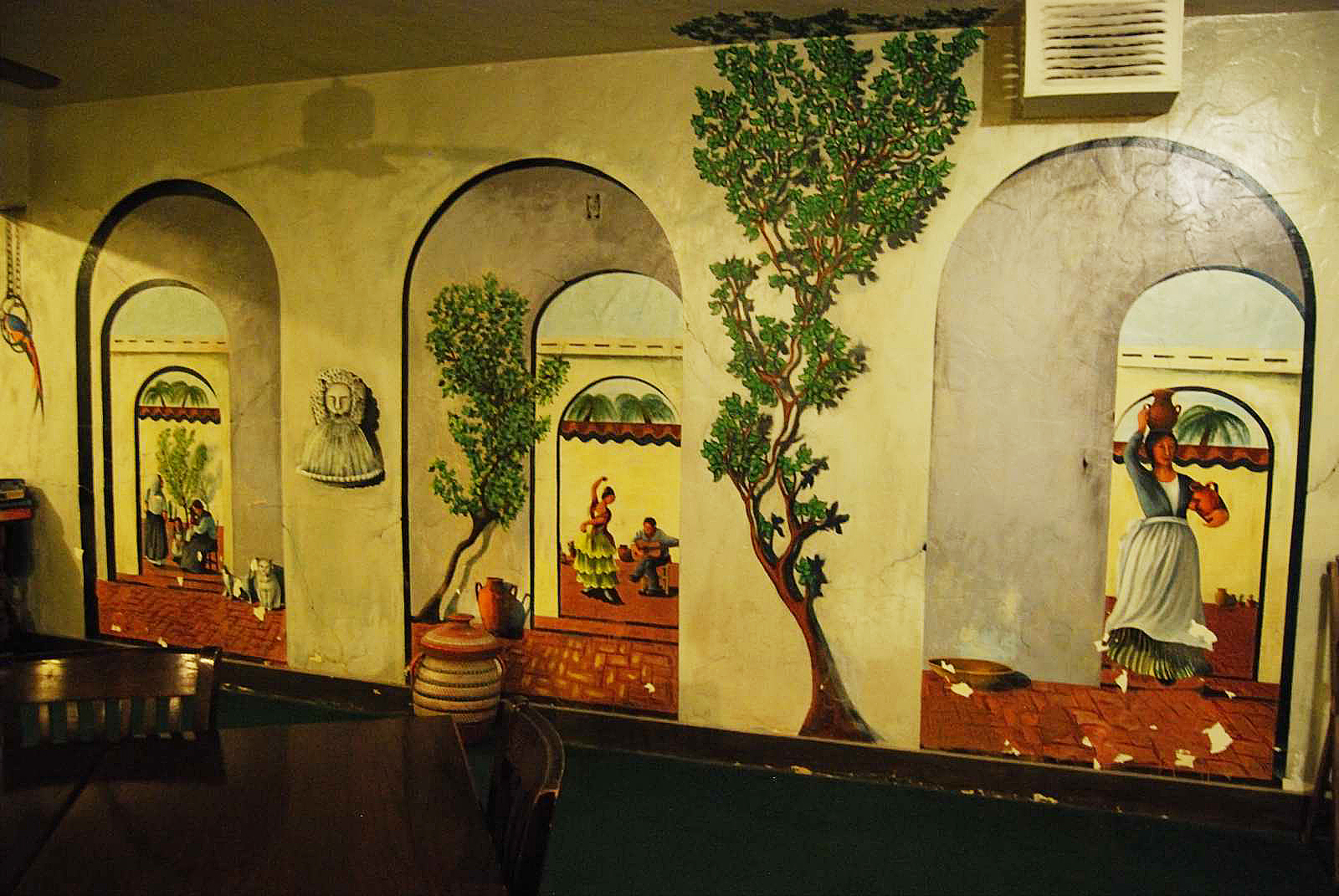
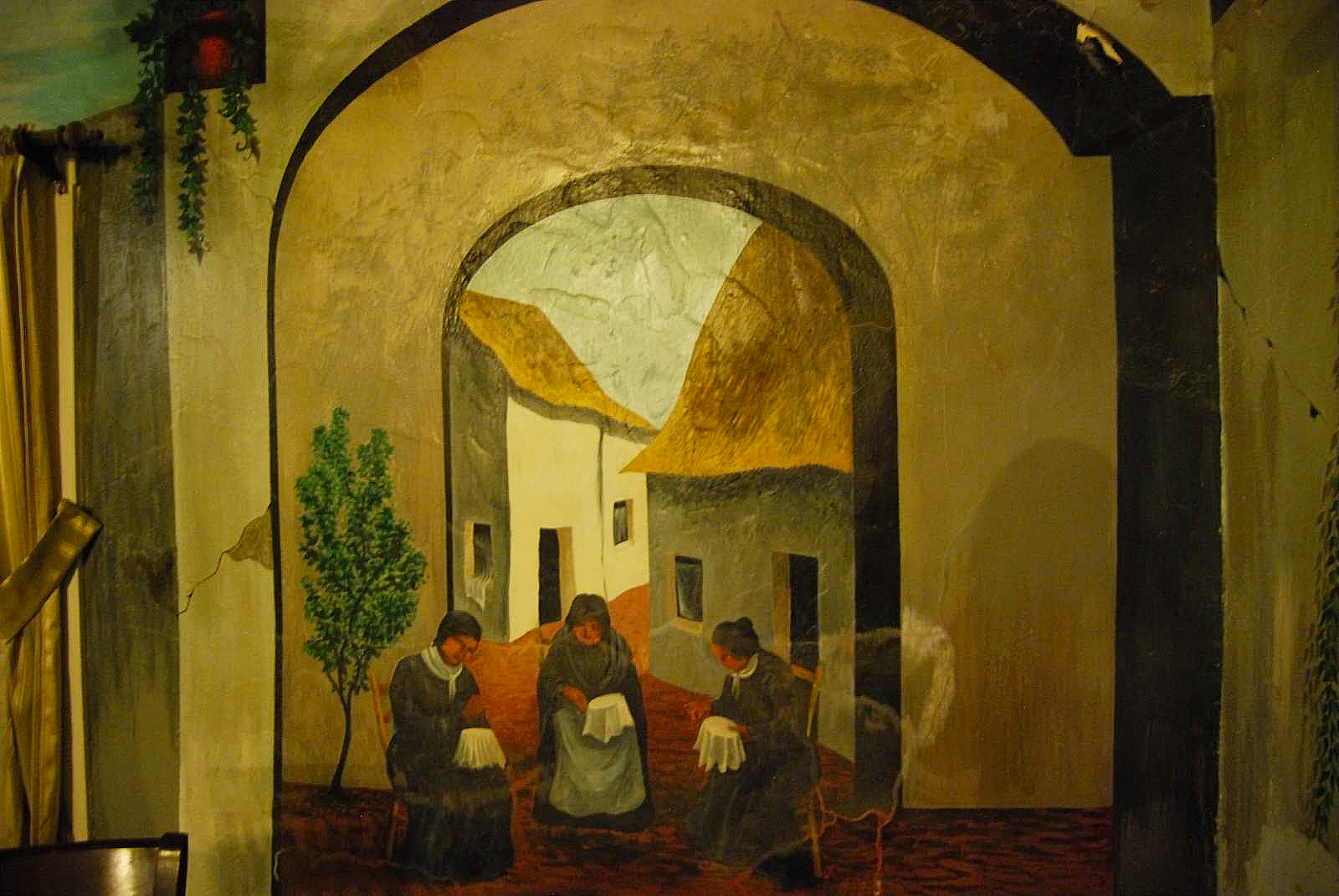
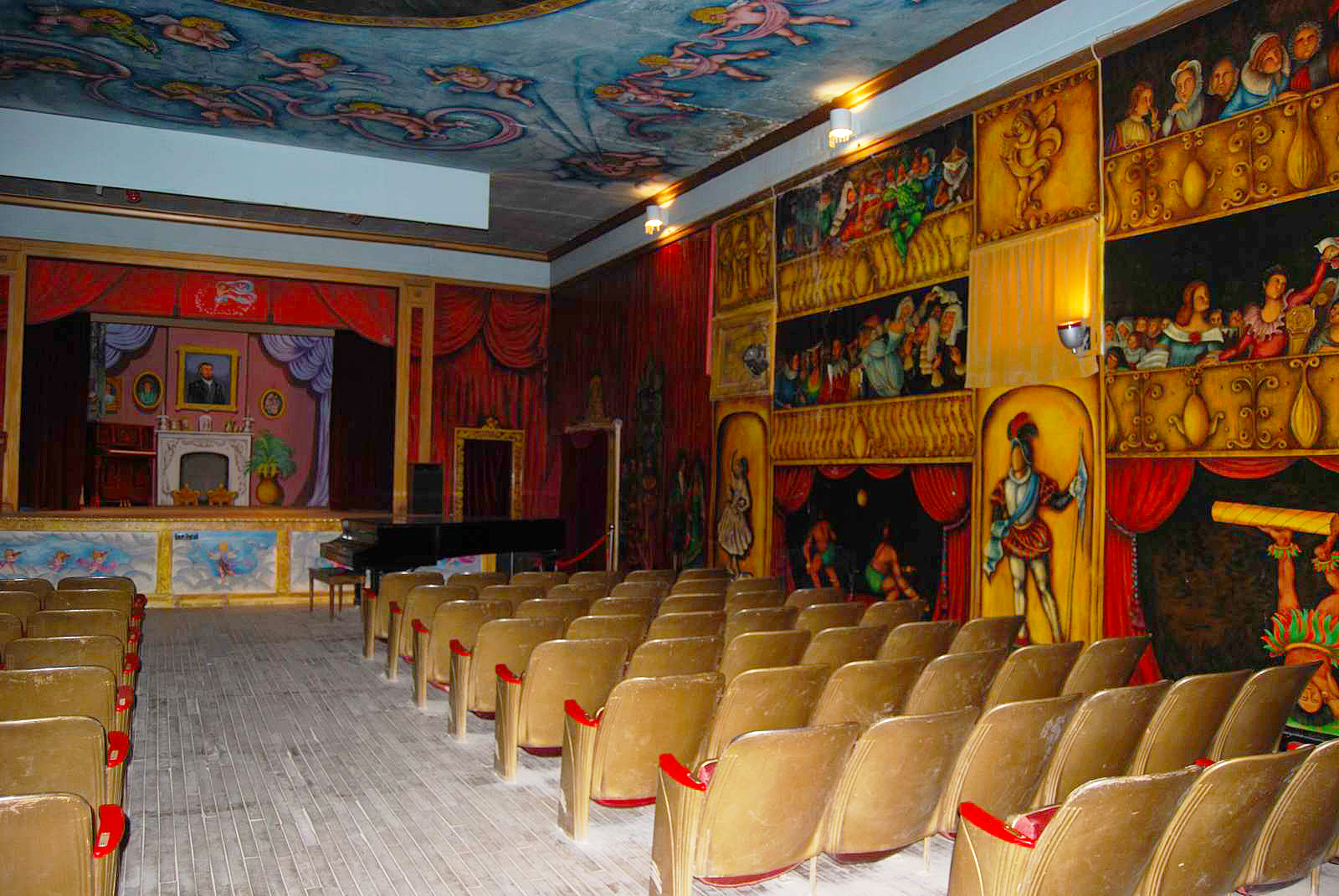
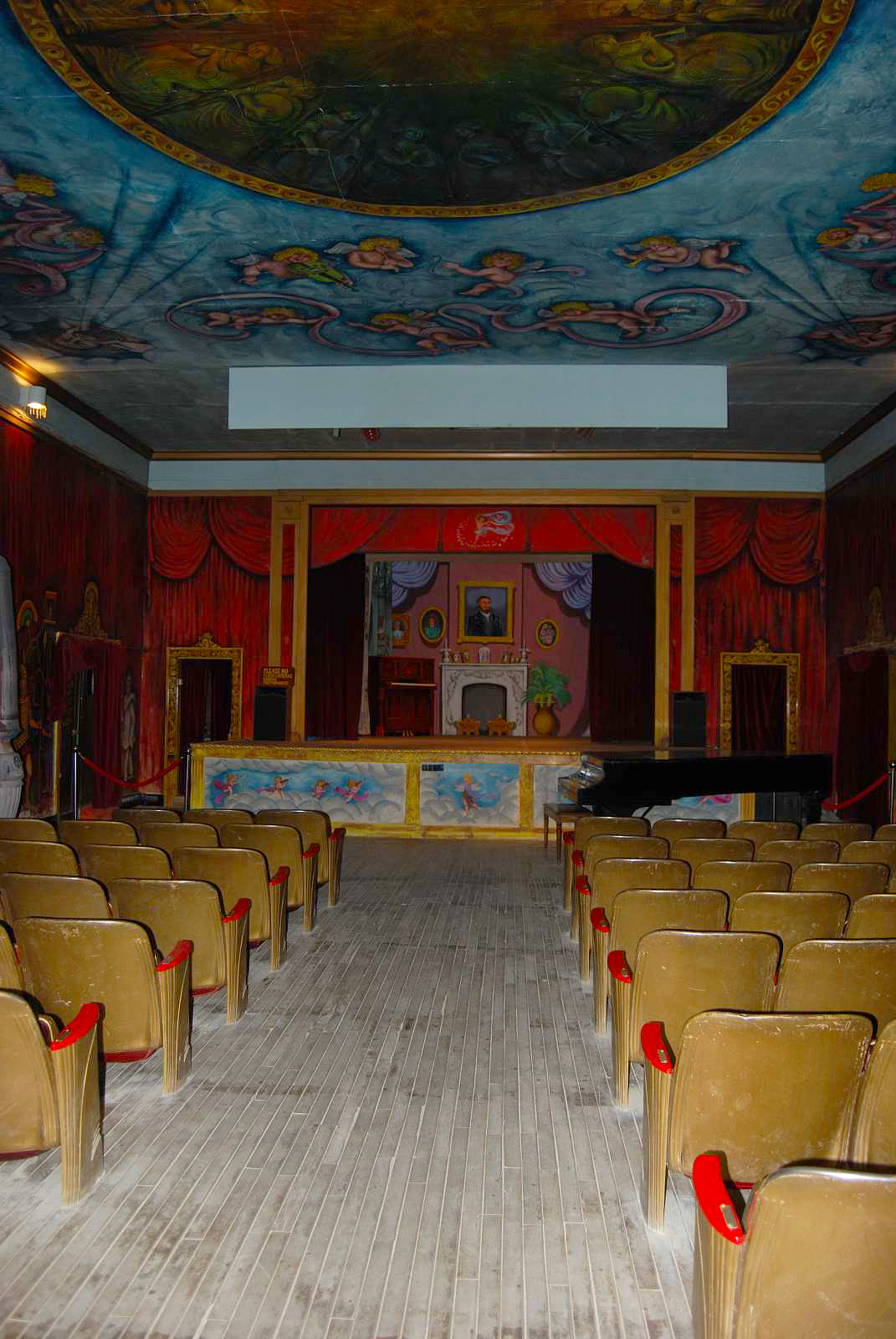
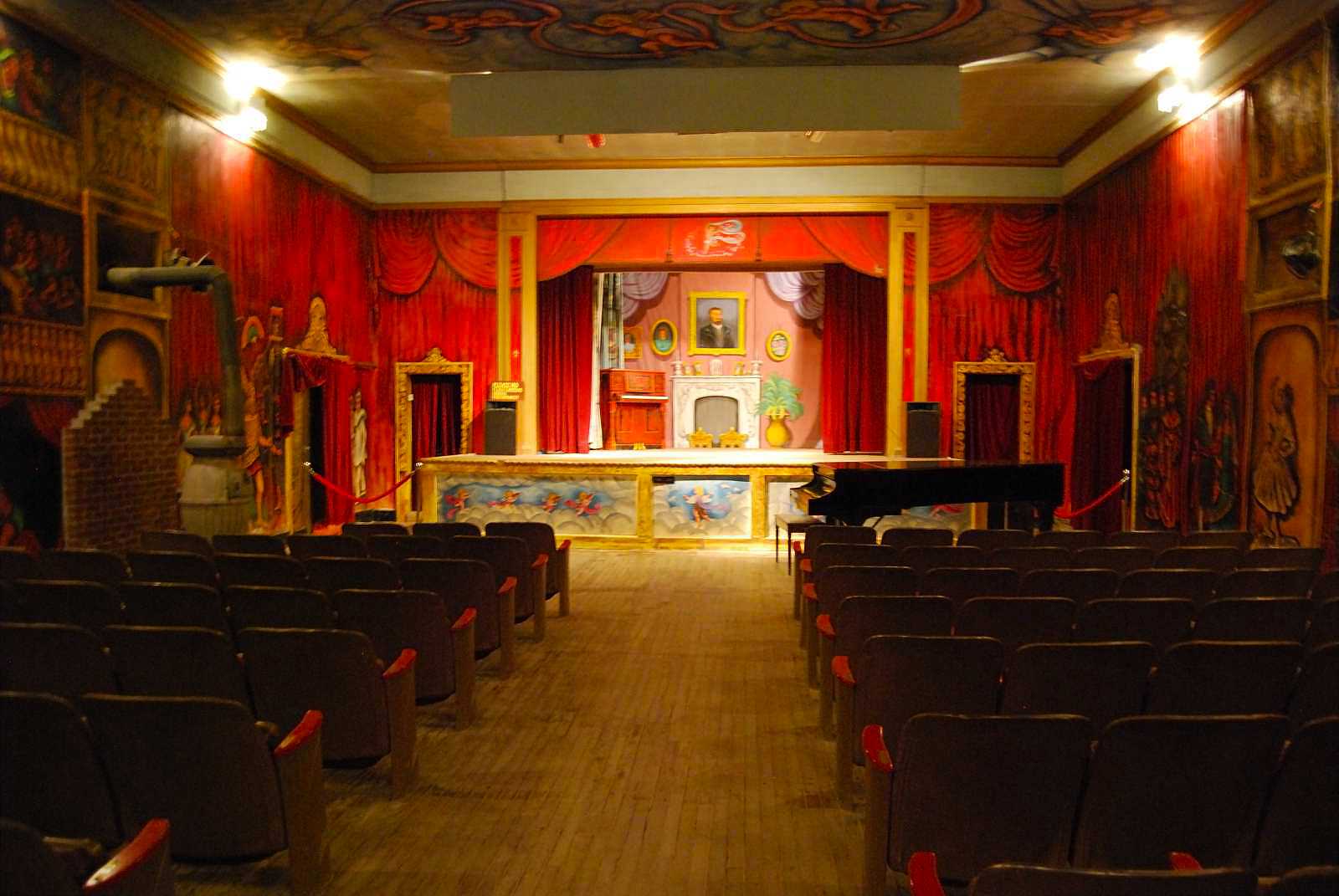
At age 92, Marta continues to live out her dream in the world she built for herself and her audience. Since her spiritual rebirth at Death Valley Junction in her early 40s, she found her true calling and lived her life largely on her own terms. Marta is a jack-of-all-trades, successful in all her artistic endeavors, whether painting, dancing, or composing music. When you enter the opera house, you’re transfixed by her intricately painted murals on the ceiling and walls.
We did not get the chance to meet Marta in person or see her perform during our evening there, but I bought her autobiography, To Dance On Sands. I wanted to spend a few more minutes immersed in this unique place. Surrounded by Marta’s creations, I opened her book and read the first few pages. Her words spoke volumes about her character, her free will, and her state of euphoria in this special place. This was a wonderful way to remember the life-giving Death Valley as we departed the Junction and continued our journey.
“I am grateful to have found a place where I can fulfill my dreams and share them with the passing scene for as long as I can.”—Marta Becket






Leave a Reply