
First Impression of Joshua Tree National Park
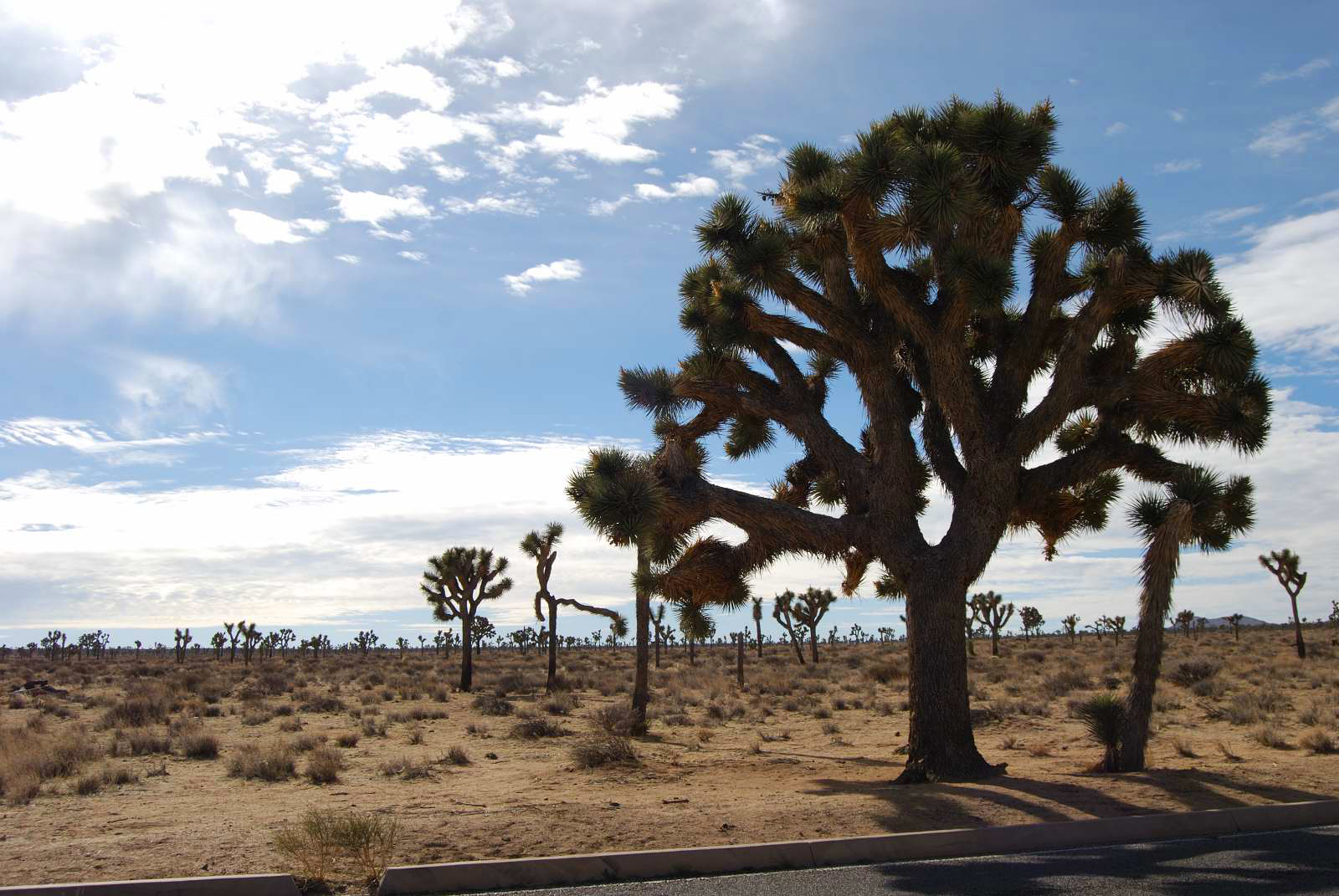
After startling wildlife encounters with a coyote and a kangaroo rat upon leaving Death Valley—and driving nearly four hours under a canopy of stars—we finally arrived at the home of Joshua trees in the Mohave Desert. Joshua Tree National Park felt like a step up in community development compared to Death Valley. Our first morning began with a park ranger talk at the Visitor Center. We never spotted any roadrunners, though thy’re said to be a common sight in the region. As we entered the park, we were greeted by graceful Joshua trees, their tops shaped like fans. I can see why Mormon settlers derived the name from the Biblical story—when Joshua’s hands were raised in prayer. Such unusual-looking trees. The landscape reminded me of the 1956 film, The Ten Commandments, in the scene where Moses was cast into the desert and finds the life-giving palm tree.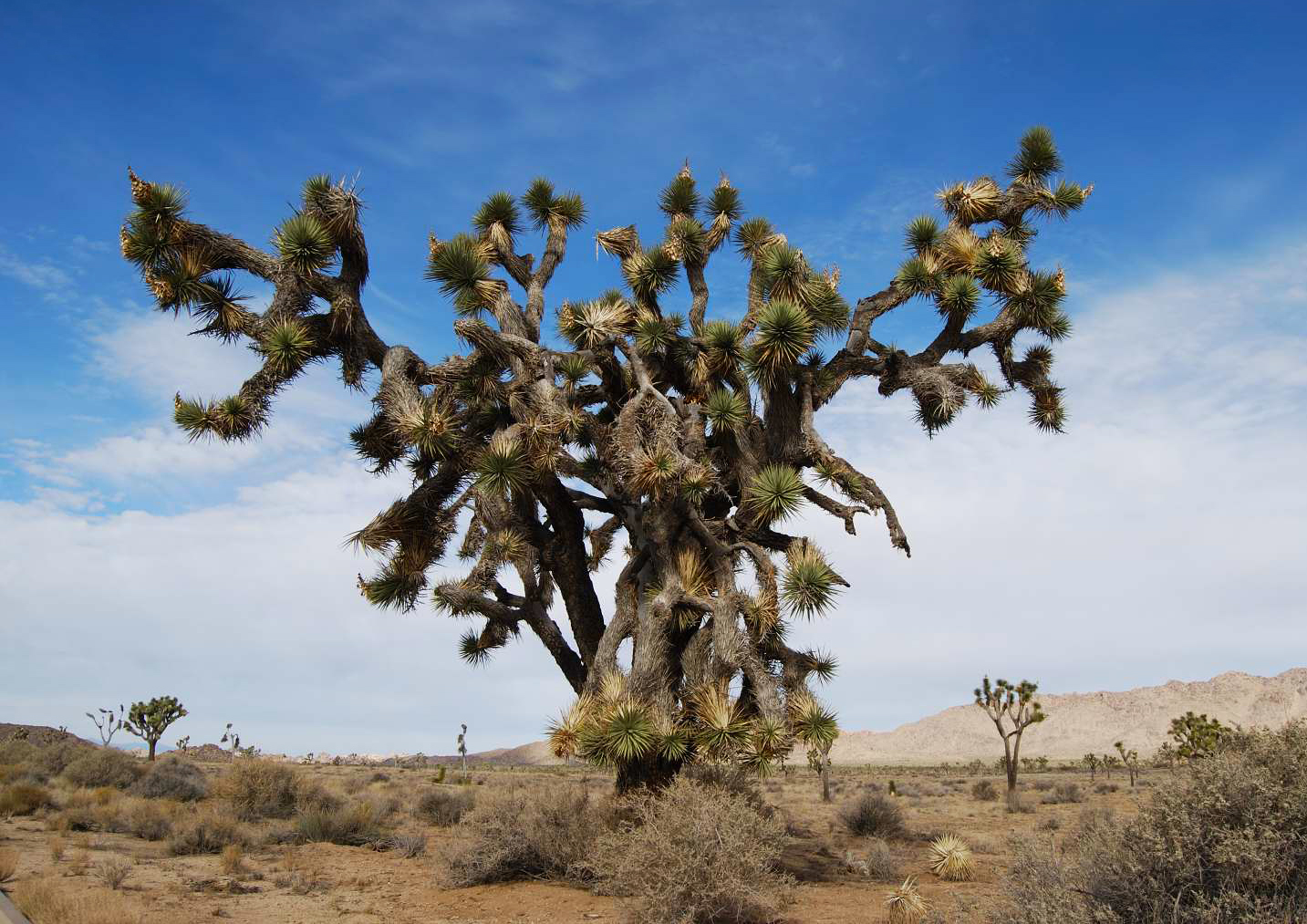
Touring & Hiking the Park
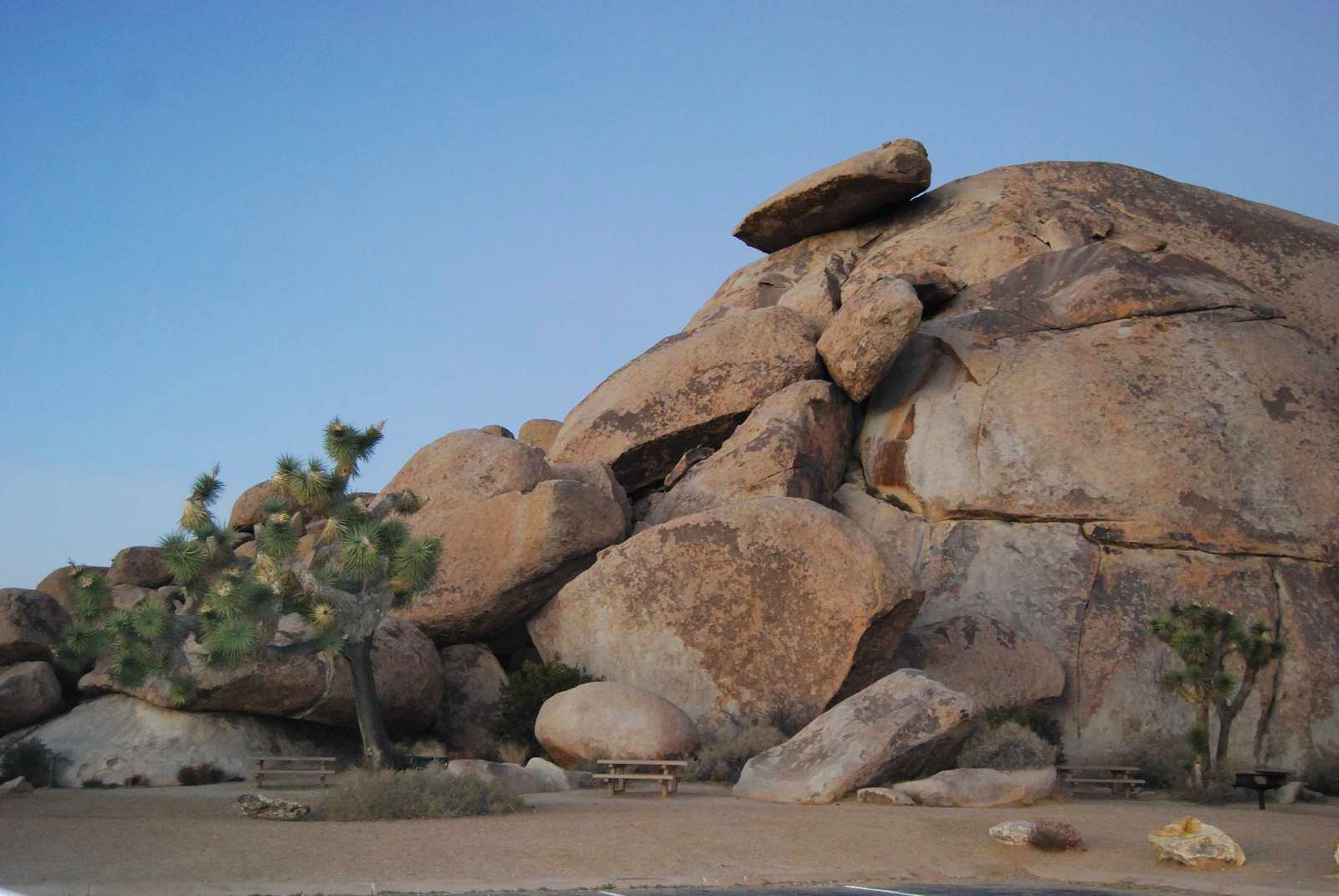
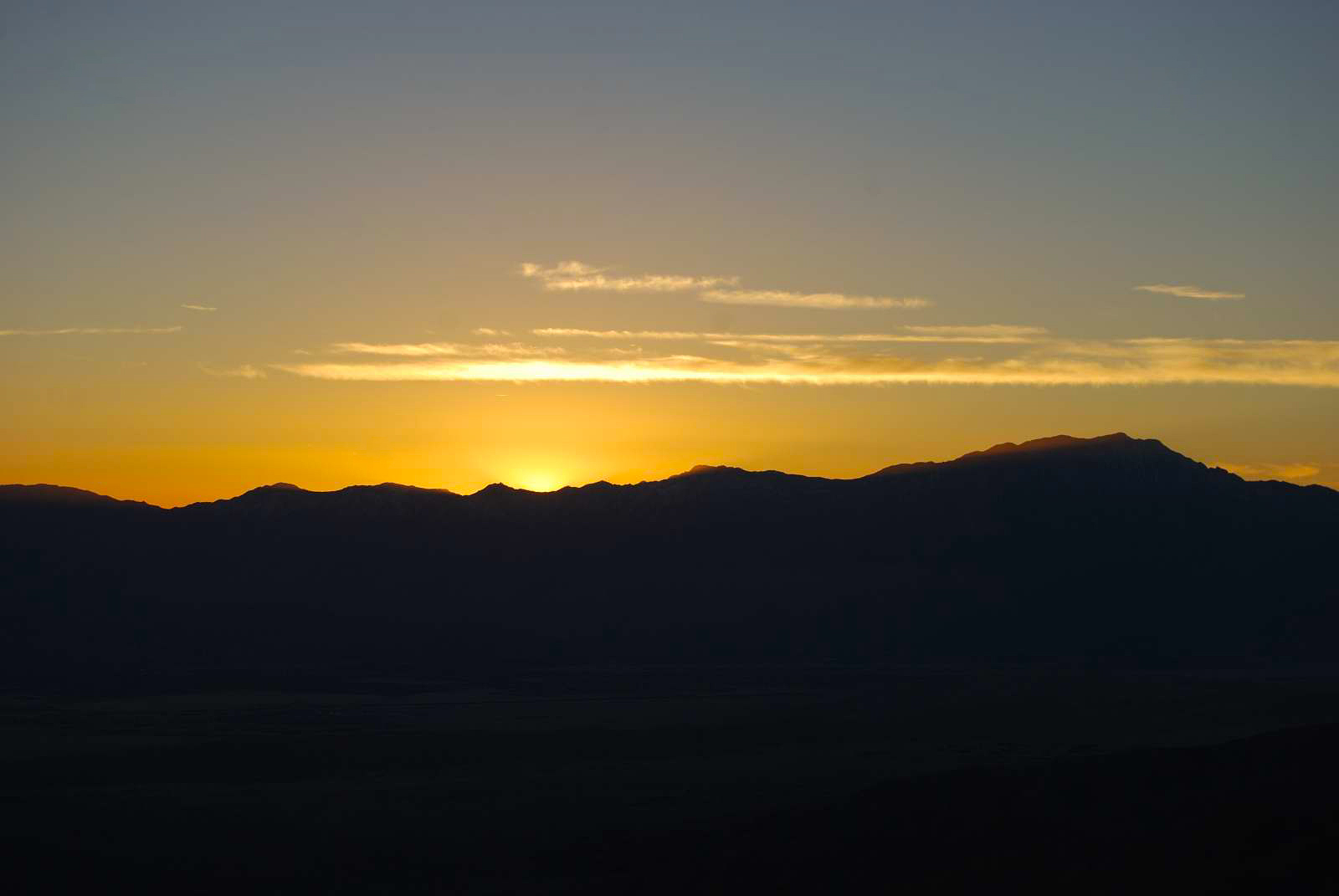
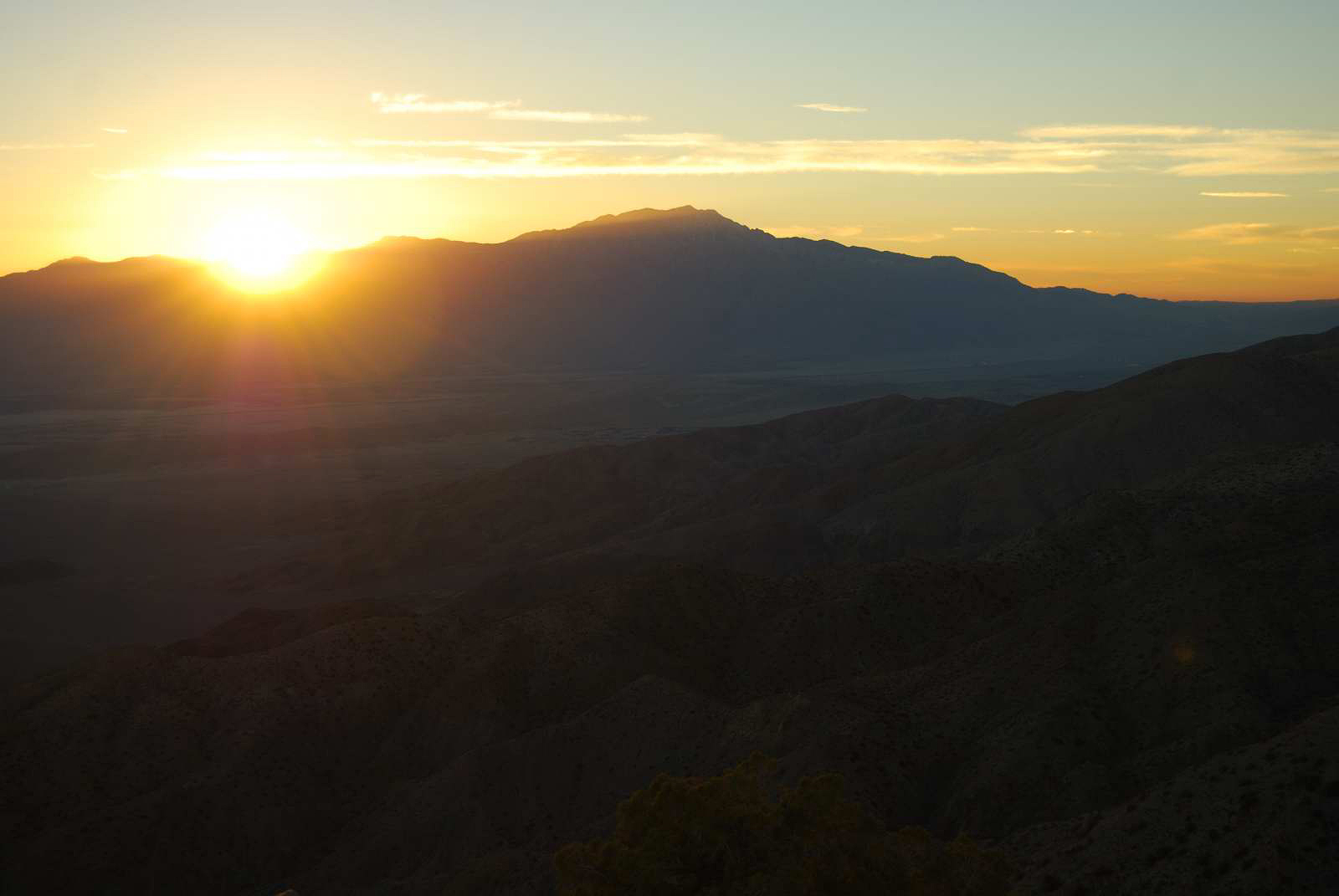
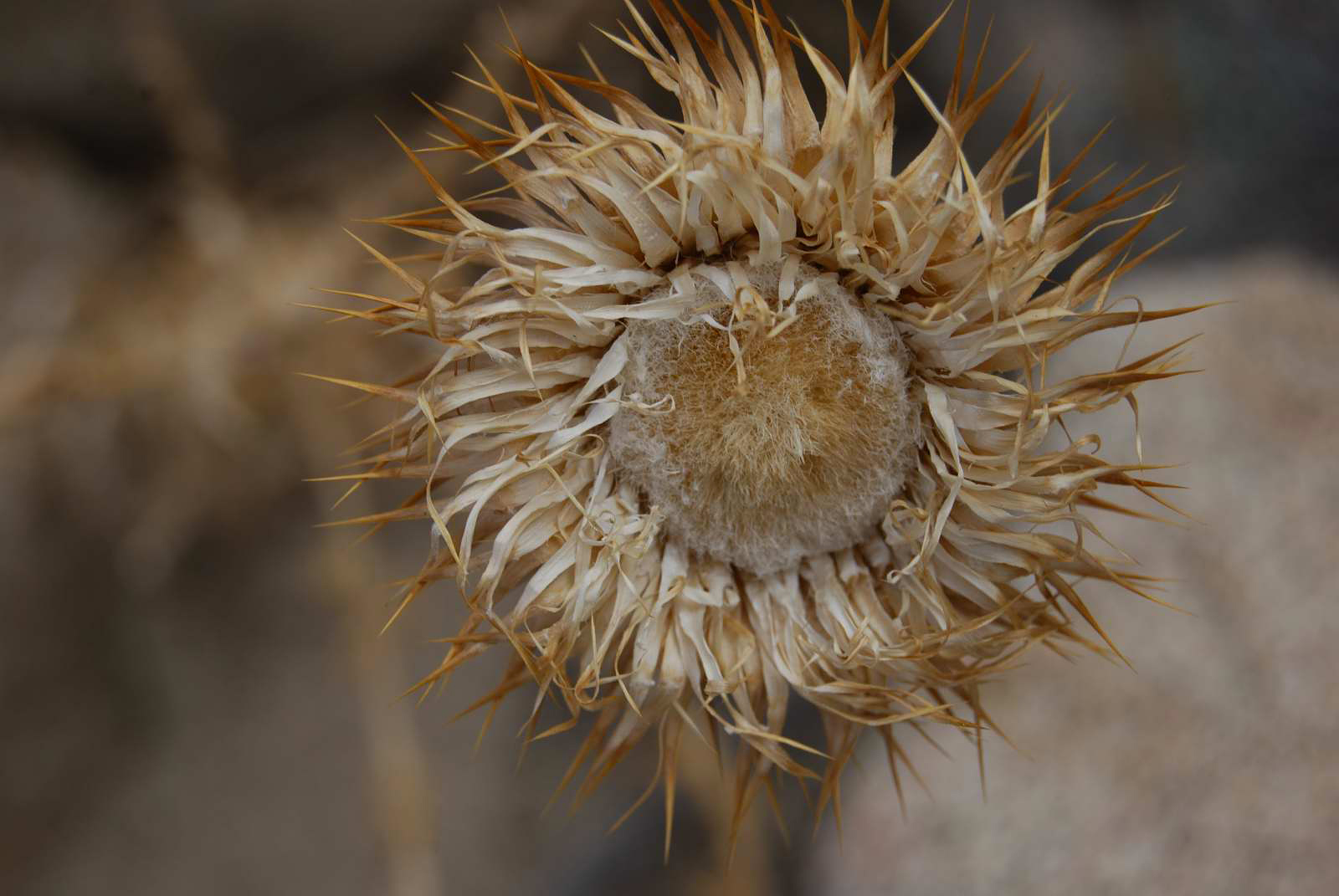
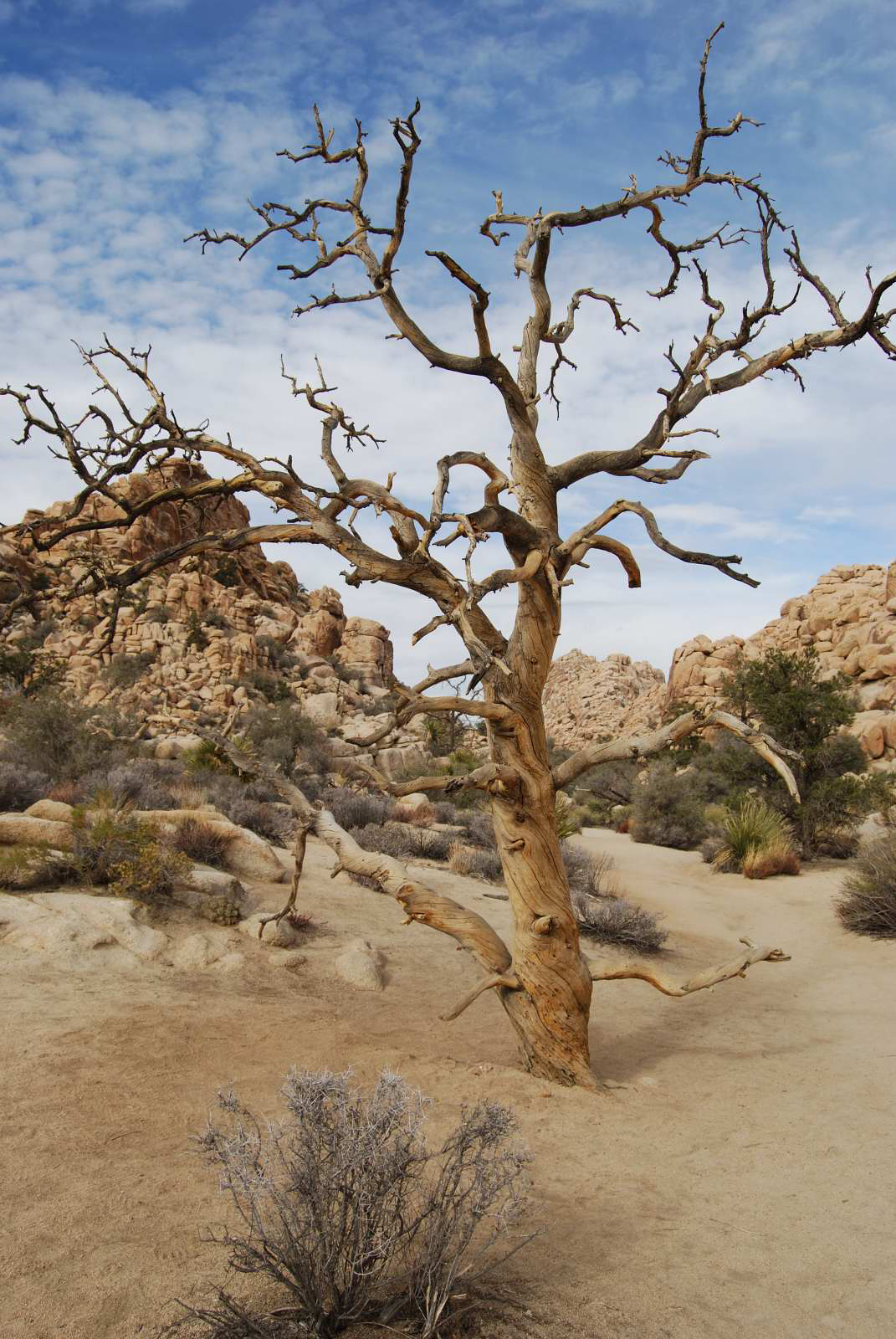
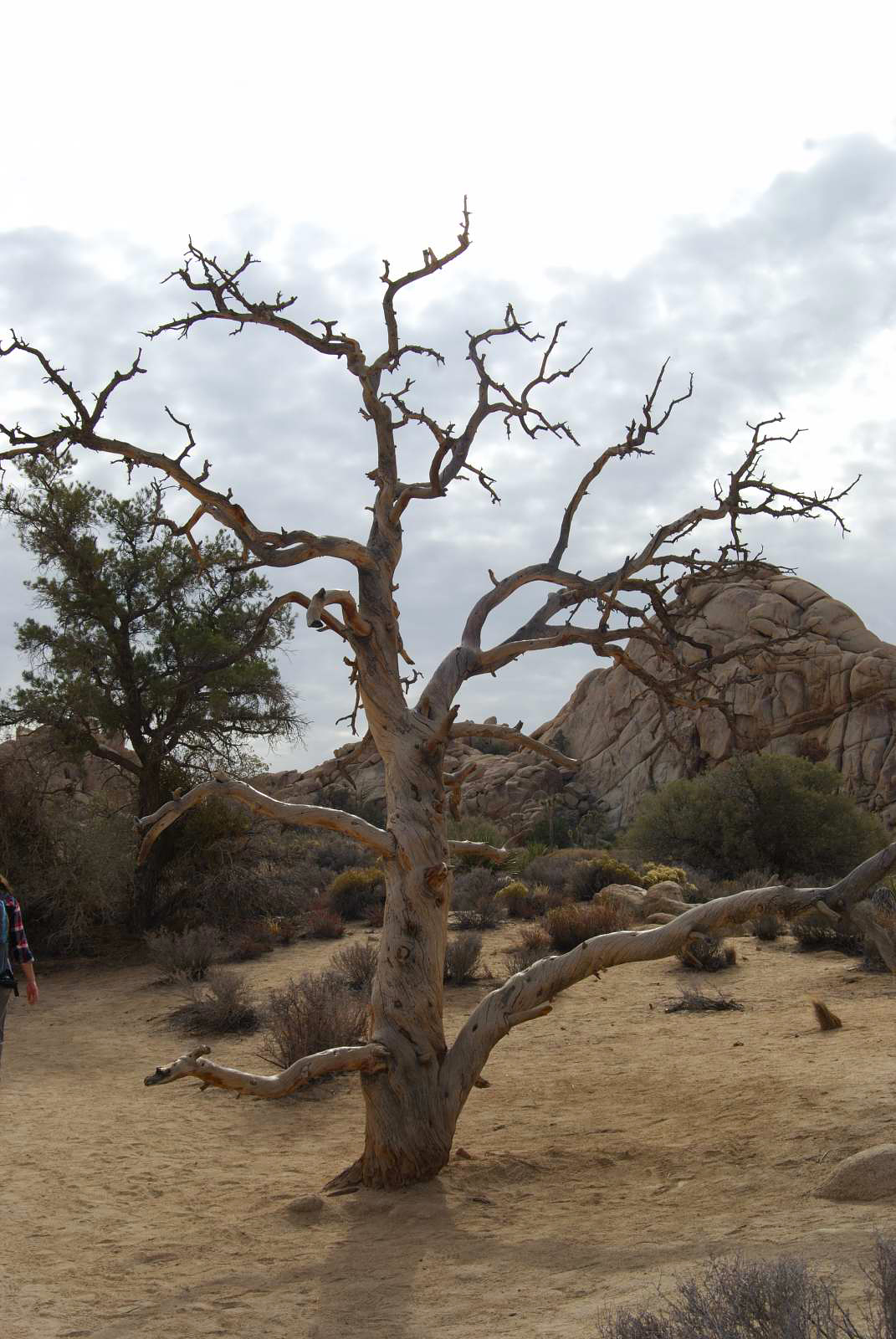
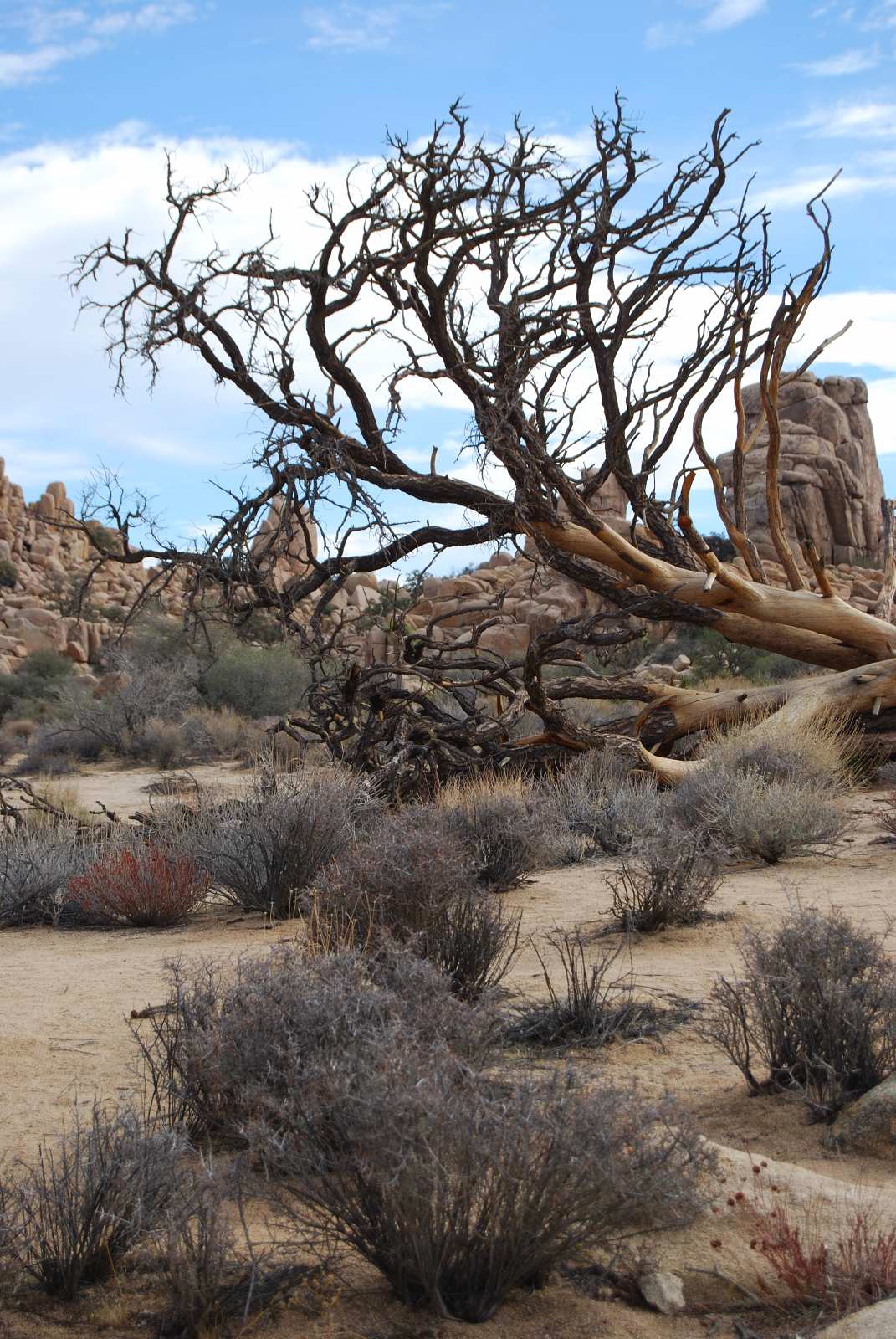
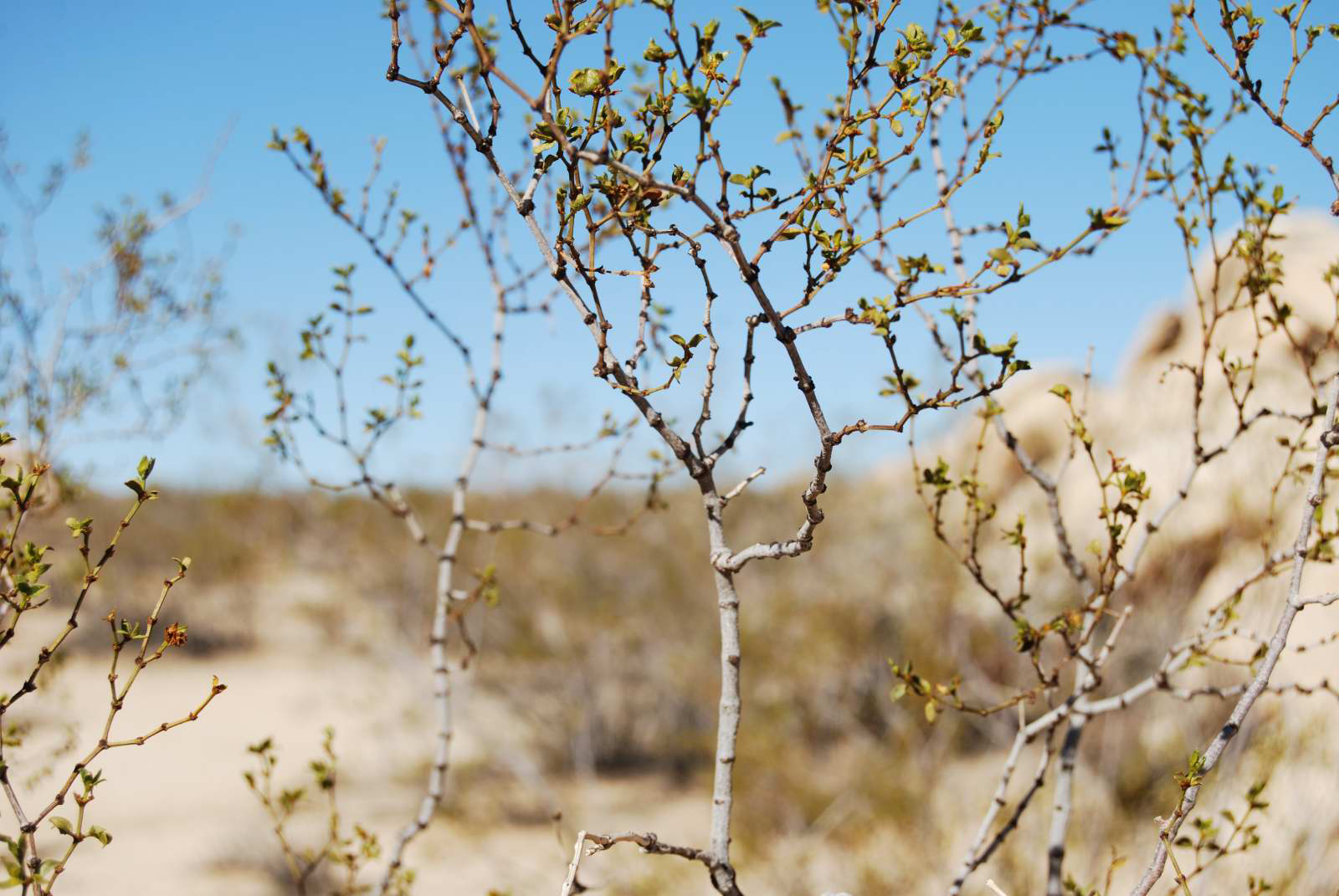
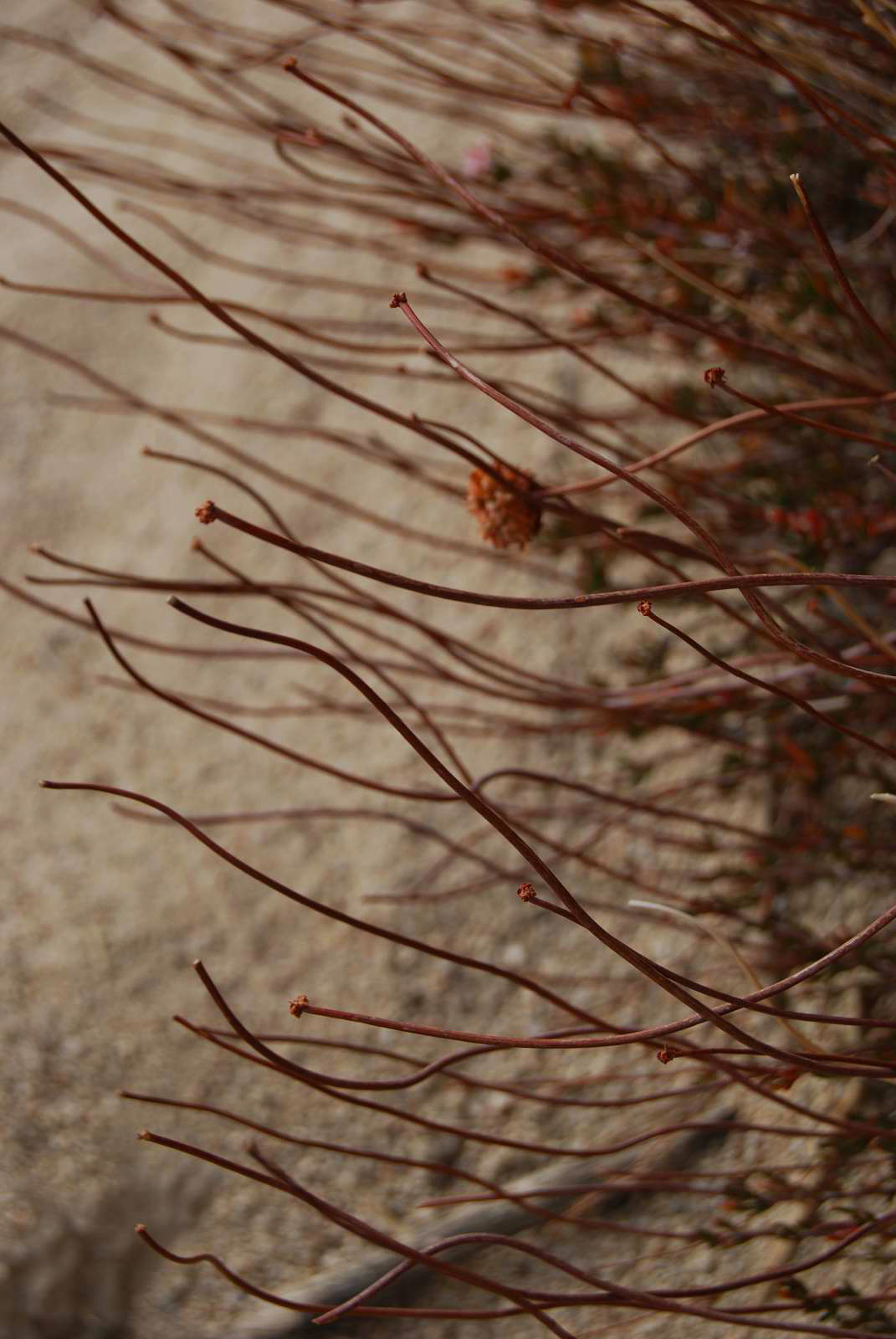
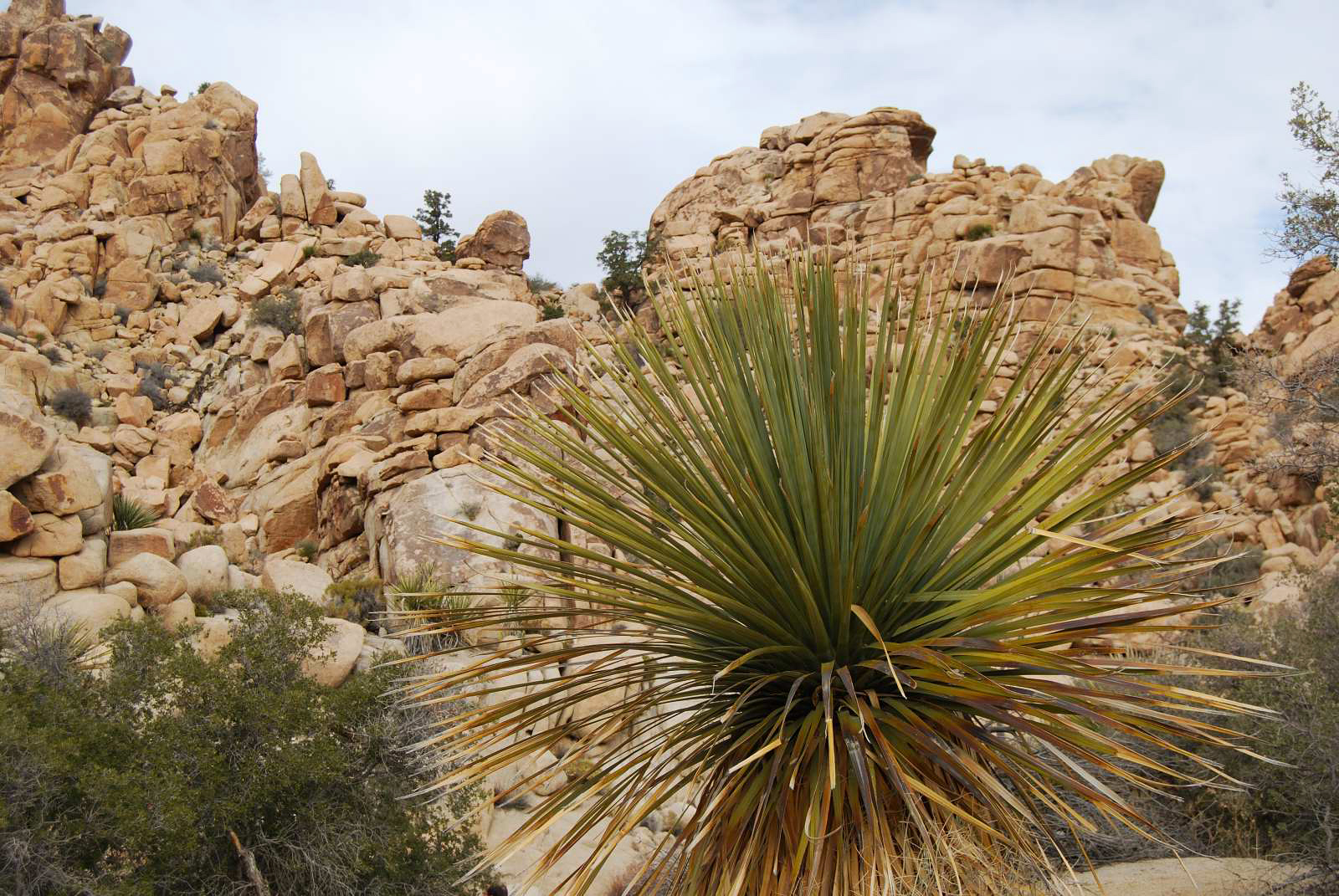
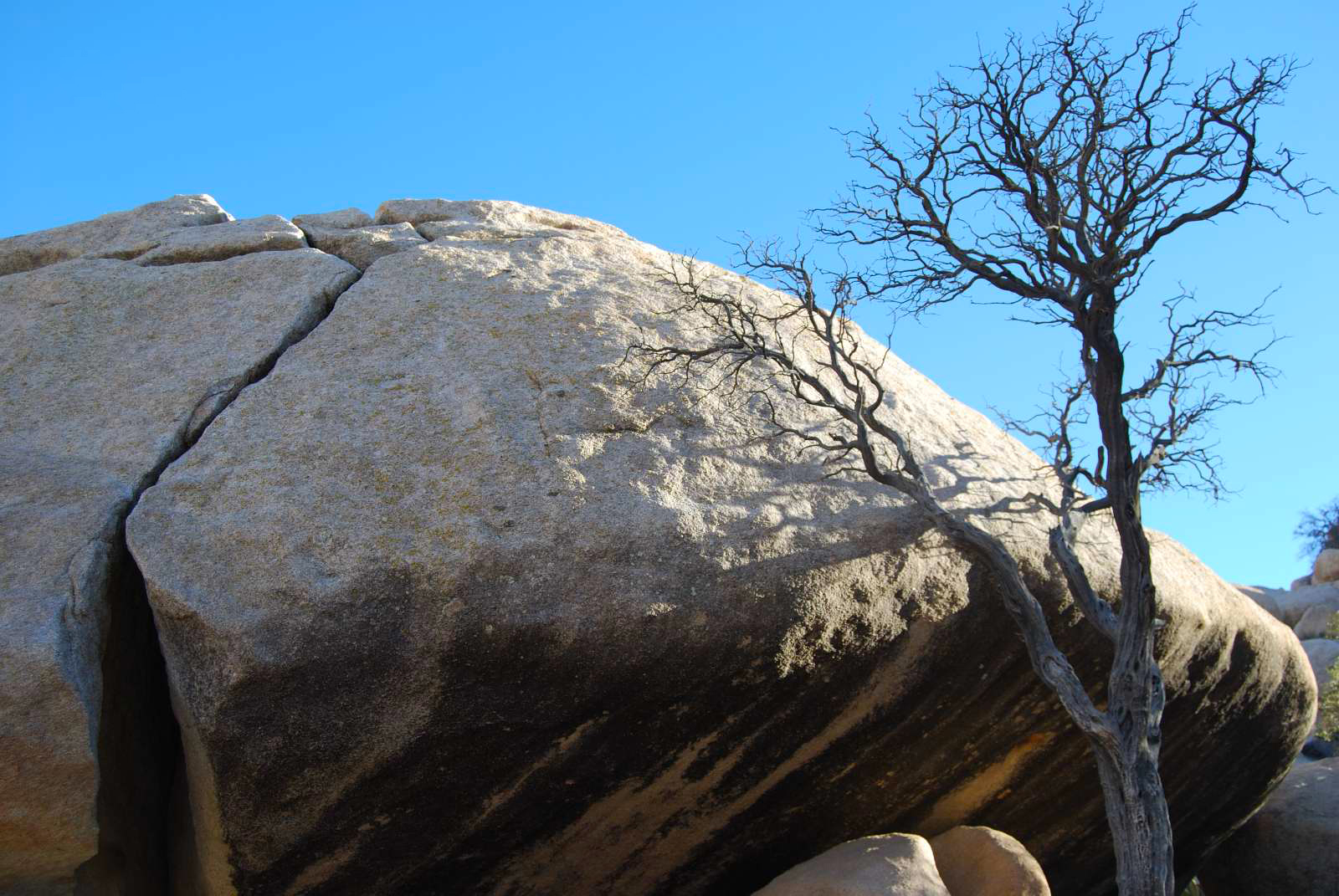
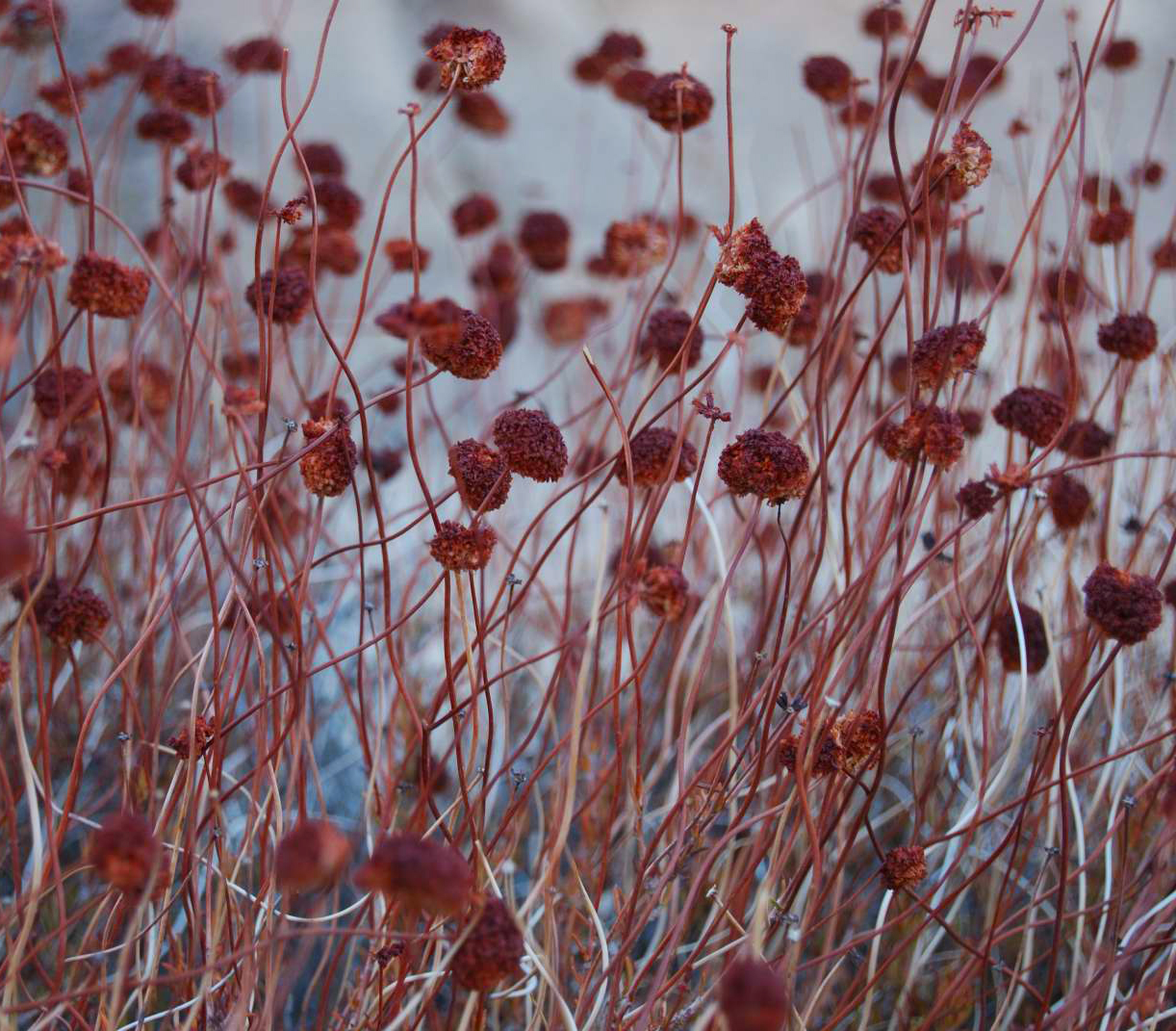
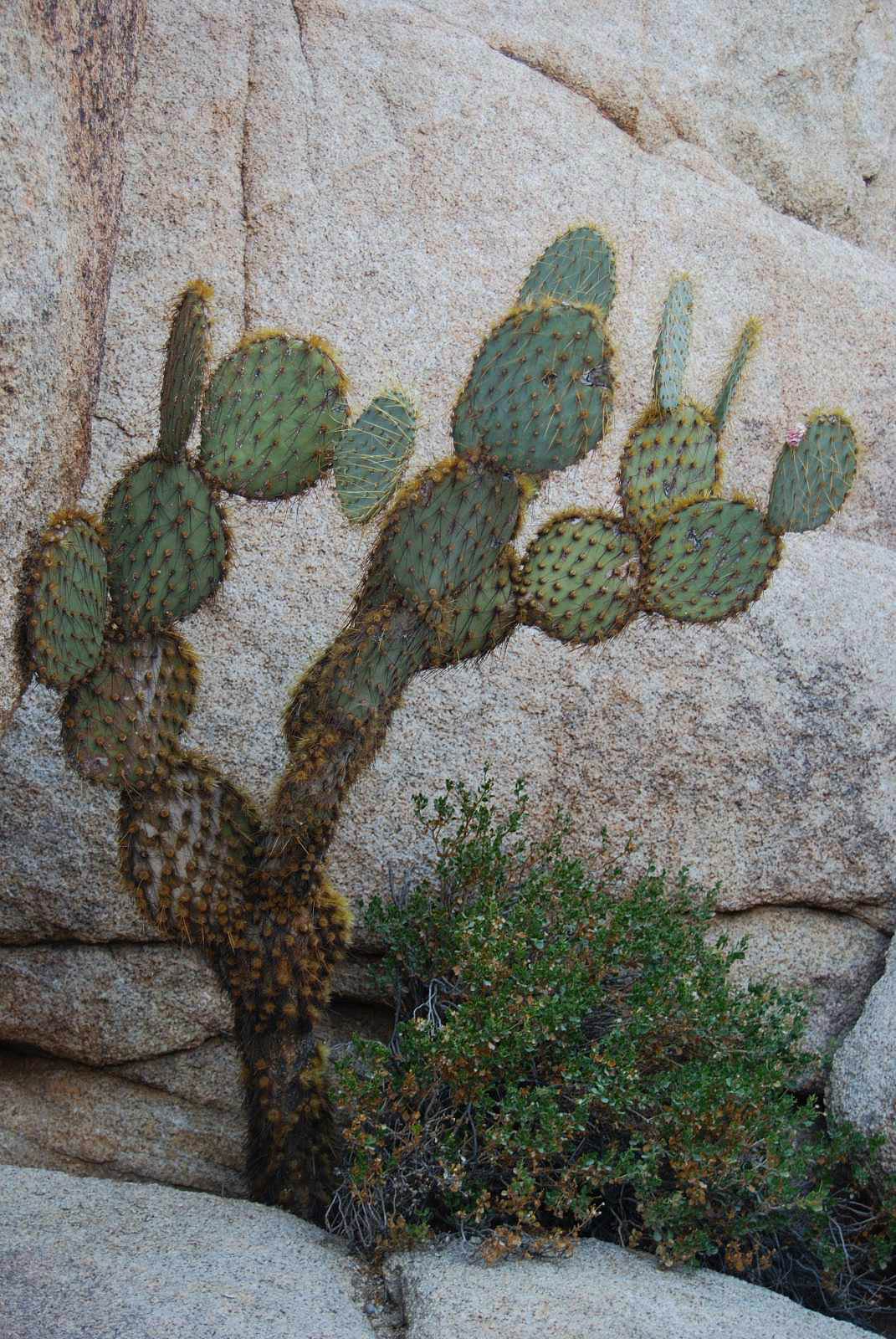
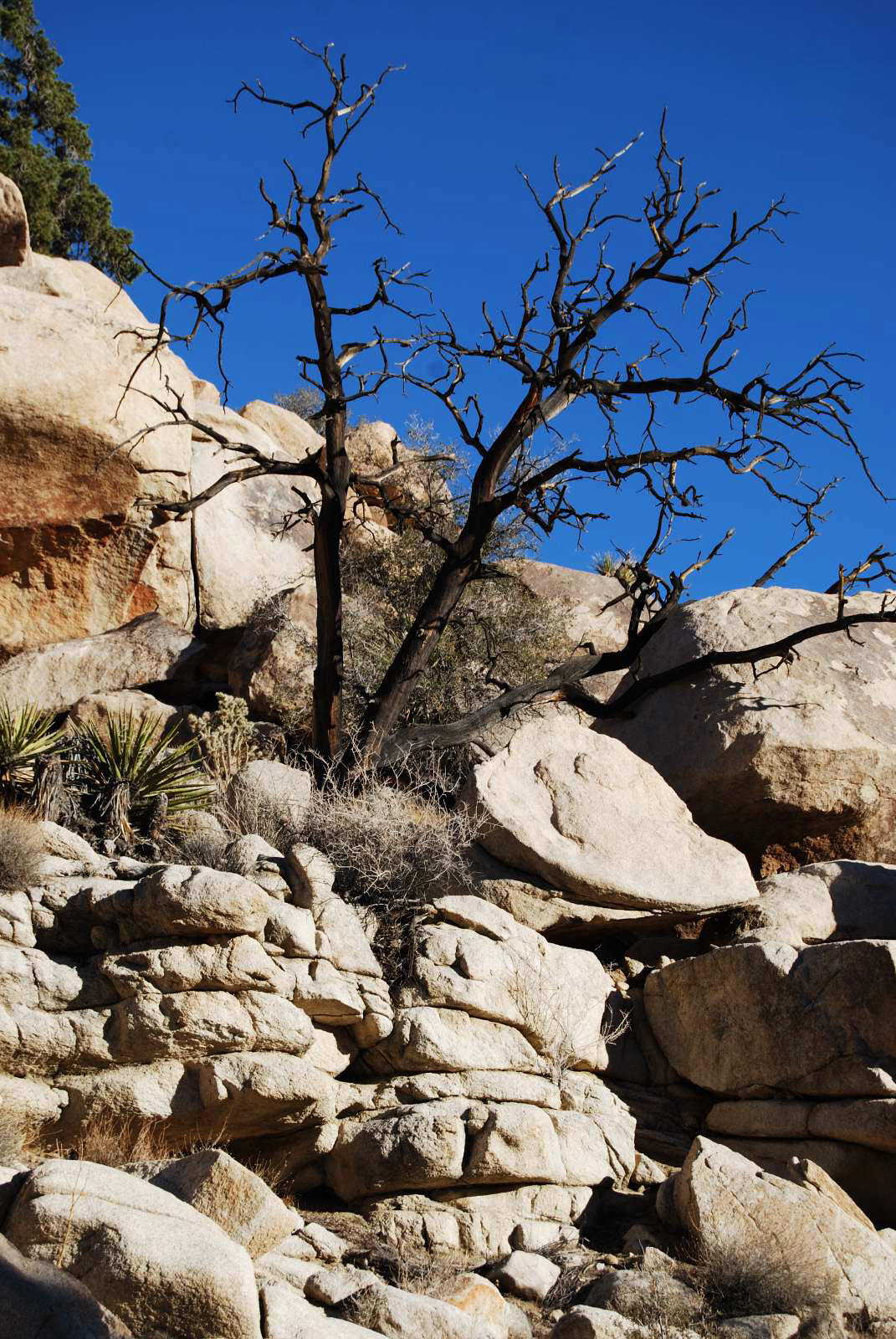
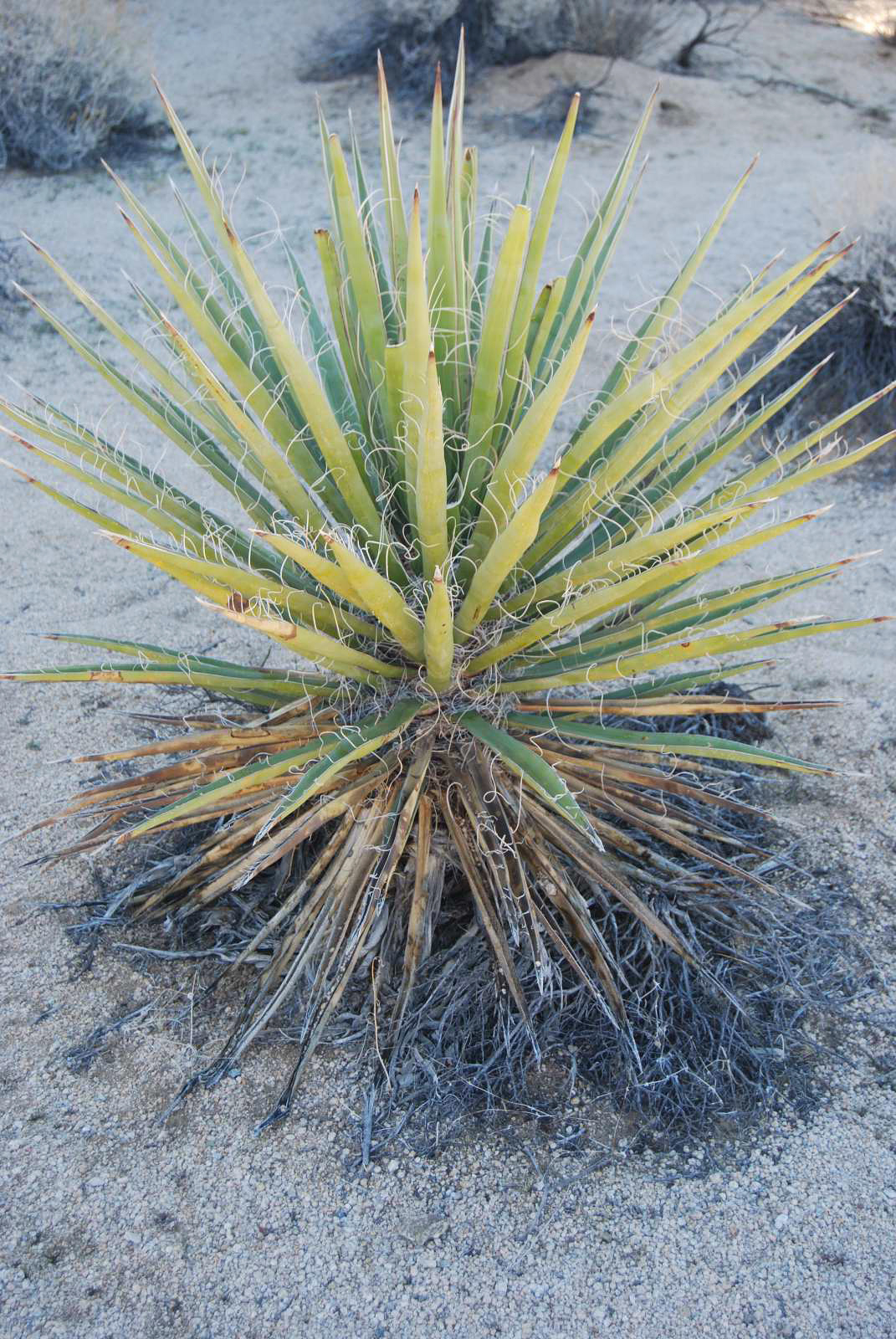
The drive around the park—especially during sunrise and sunset—was tranquil and sublime. What a contrast to Las Vegas, where we had spent the earlier part of our trip. The park was clean and well organized, with clear signage and ample shoulder parking along the road. We practically stopped every few meters to take in the beauty of the view from outside the car. Luckily, there were hardly any vehicles around, especially during sunrise, so we were able to take our time exploring the area. The variety of vegetation here is remarkable, particularly in how they all have their own survival mechanisms in the desert. As we learned from the park ranger, Joshua trees with no branches are an indication that they have never bloomed. We found these trees in all different sizes, and noticed that some areas had greater density of trees than others throughout the park.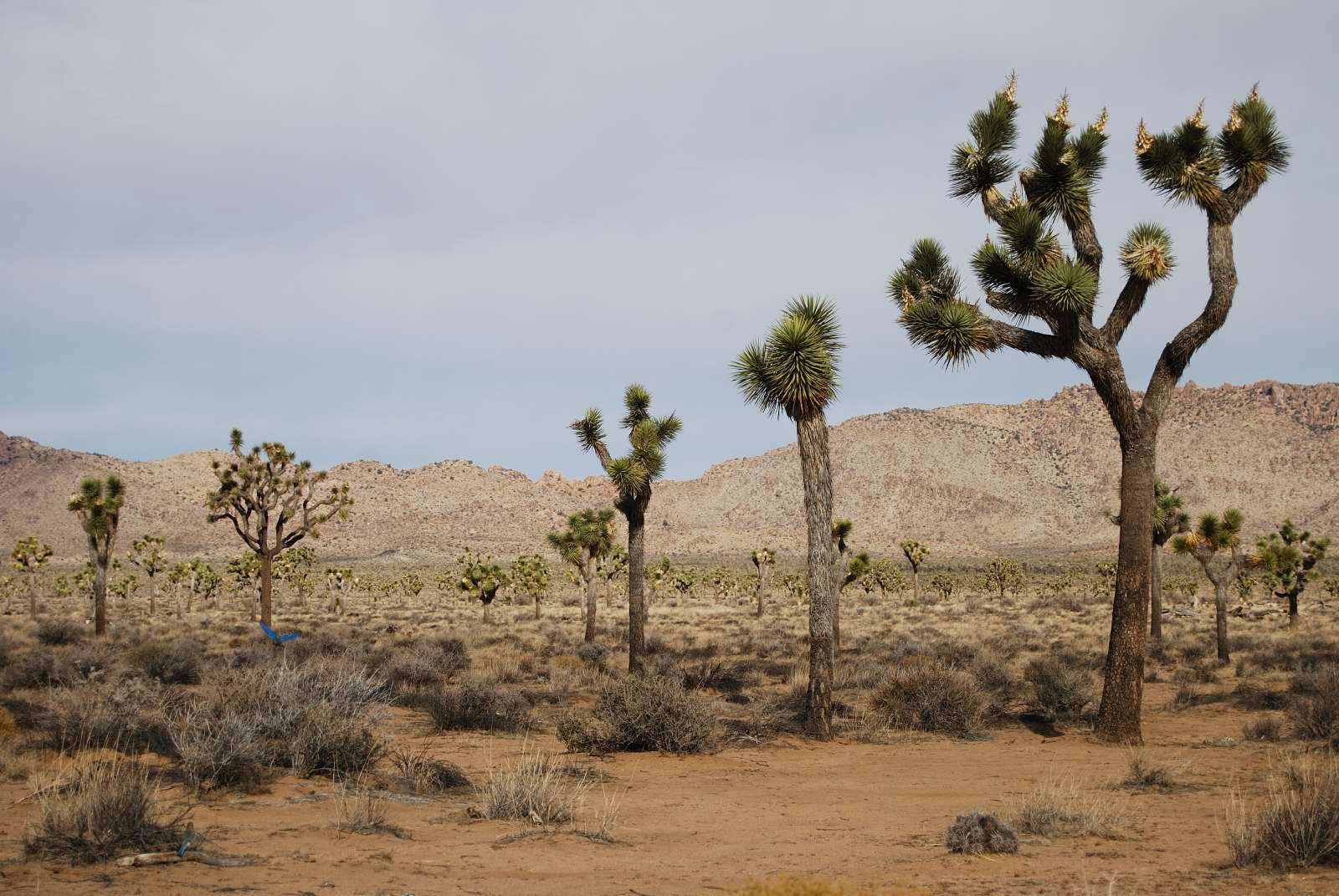
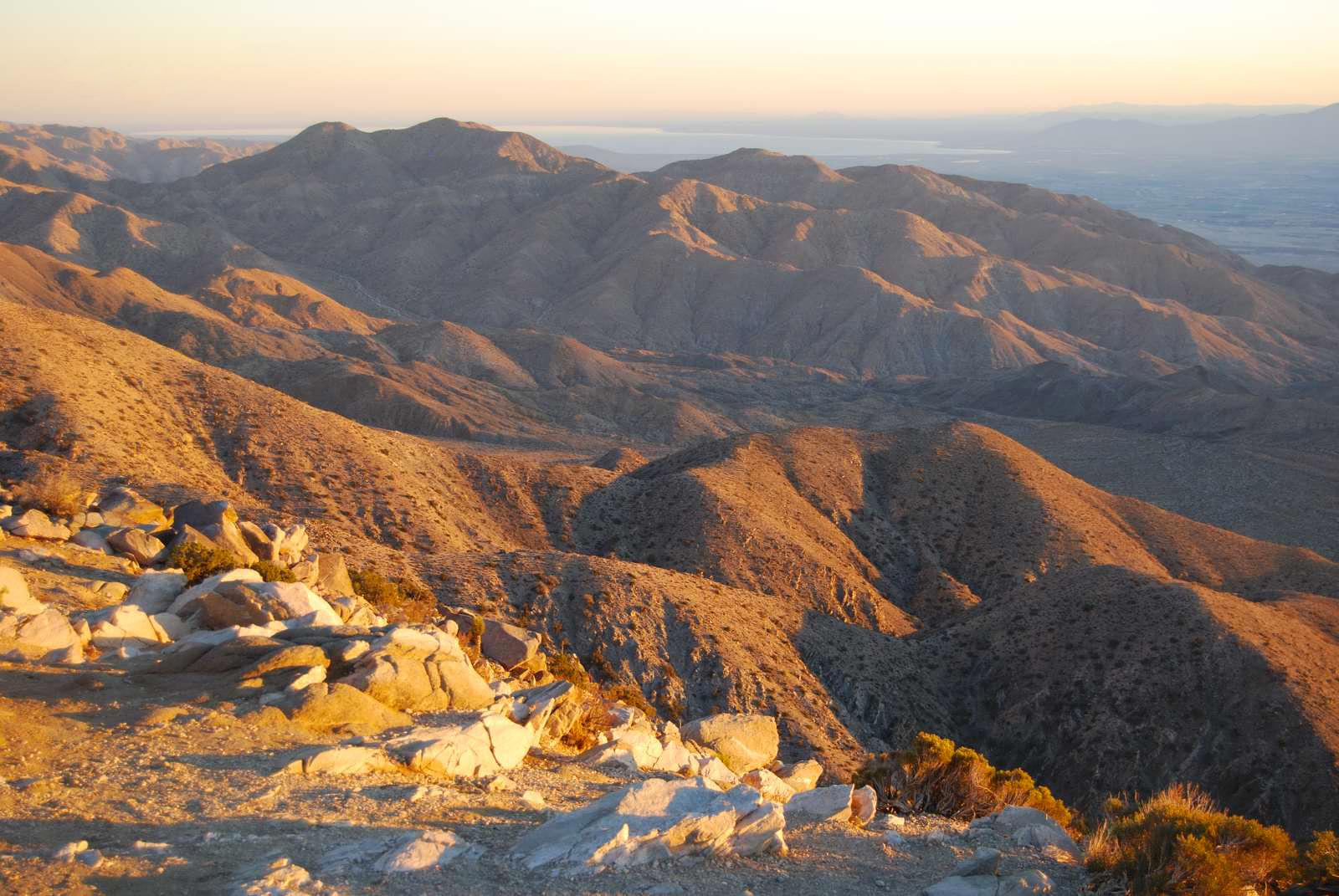
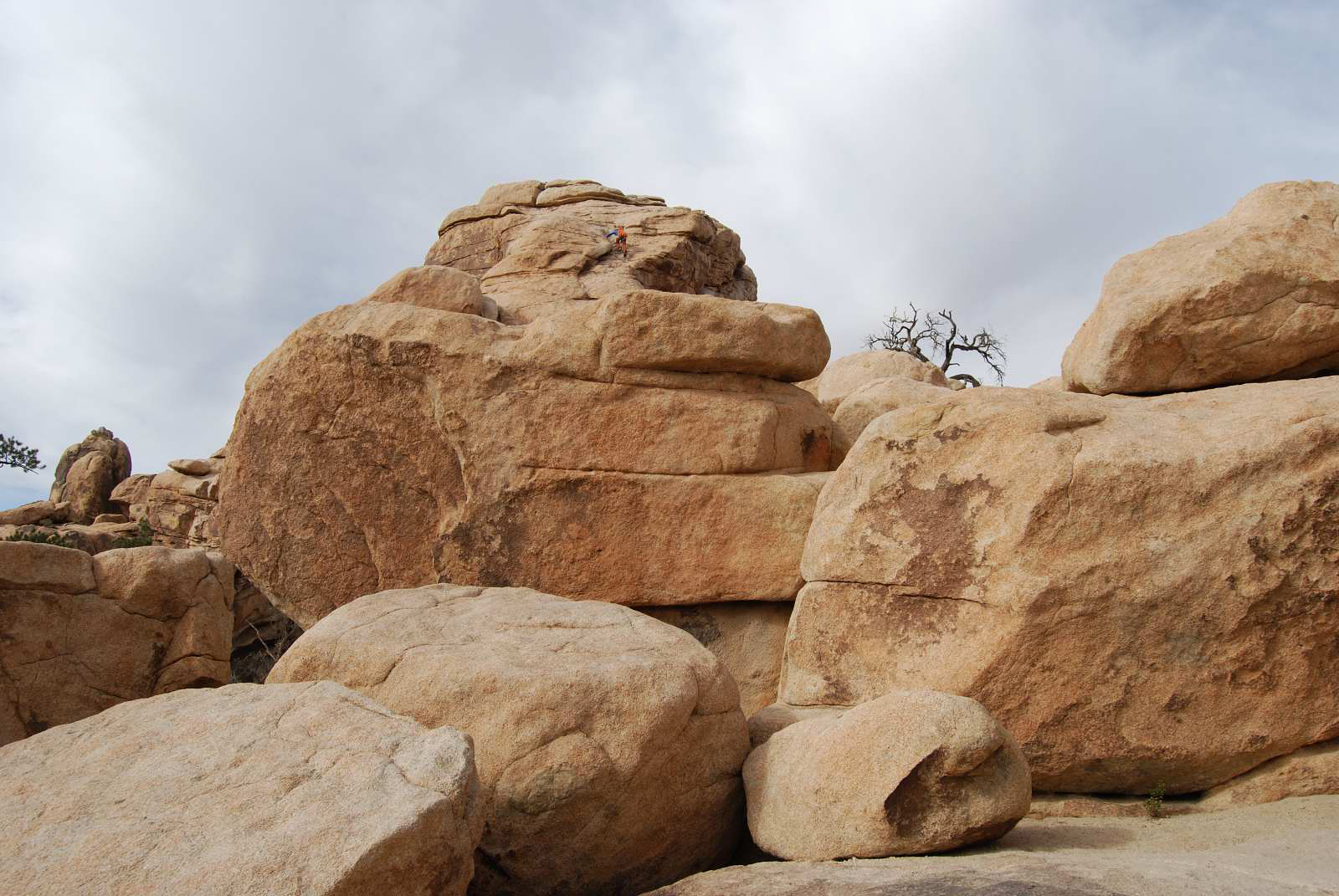
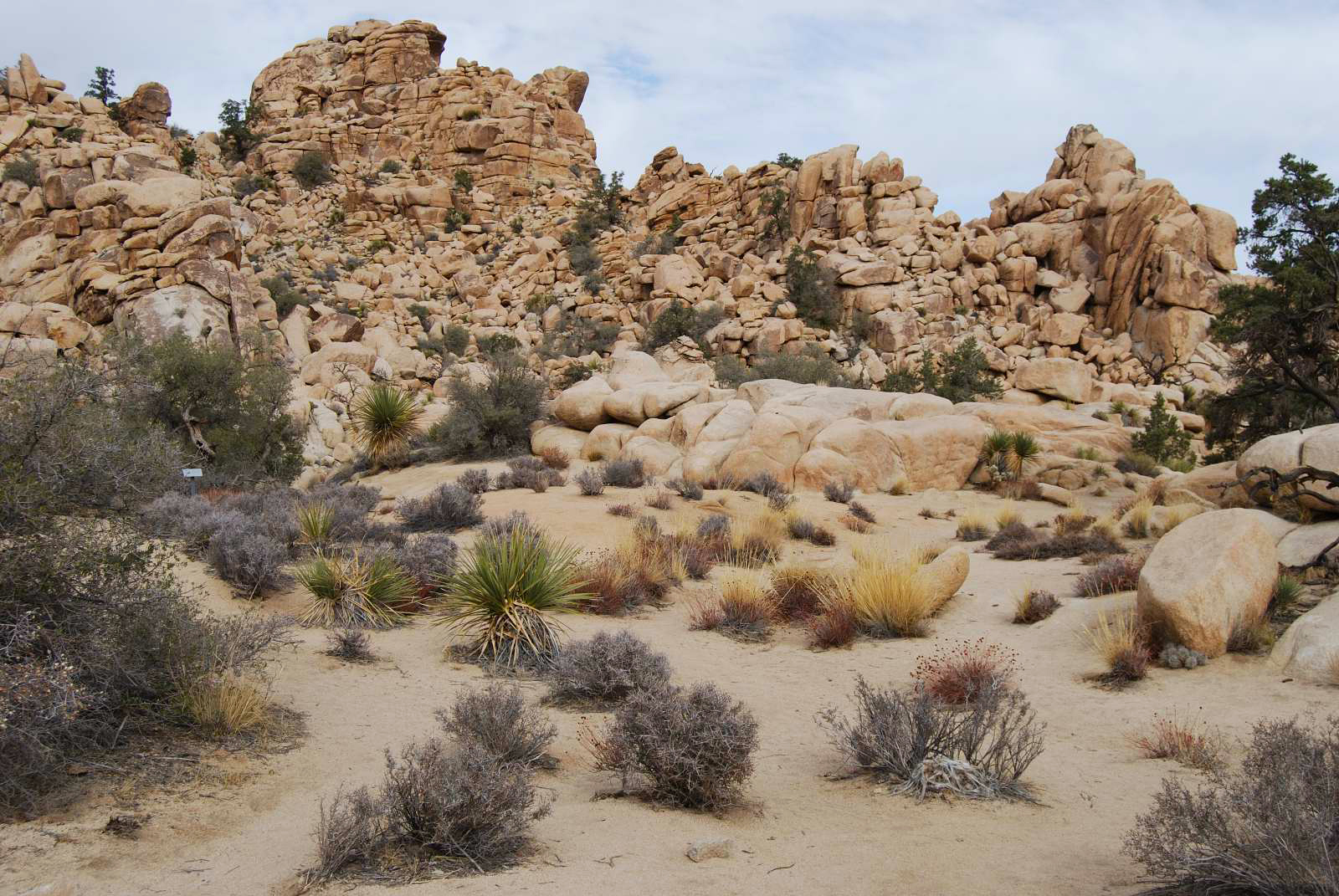
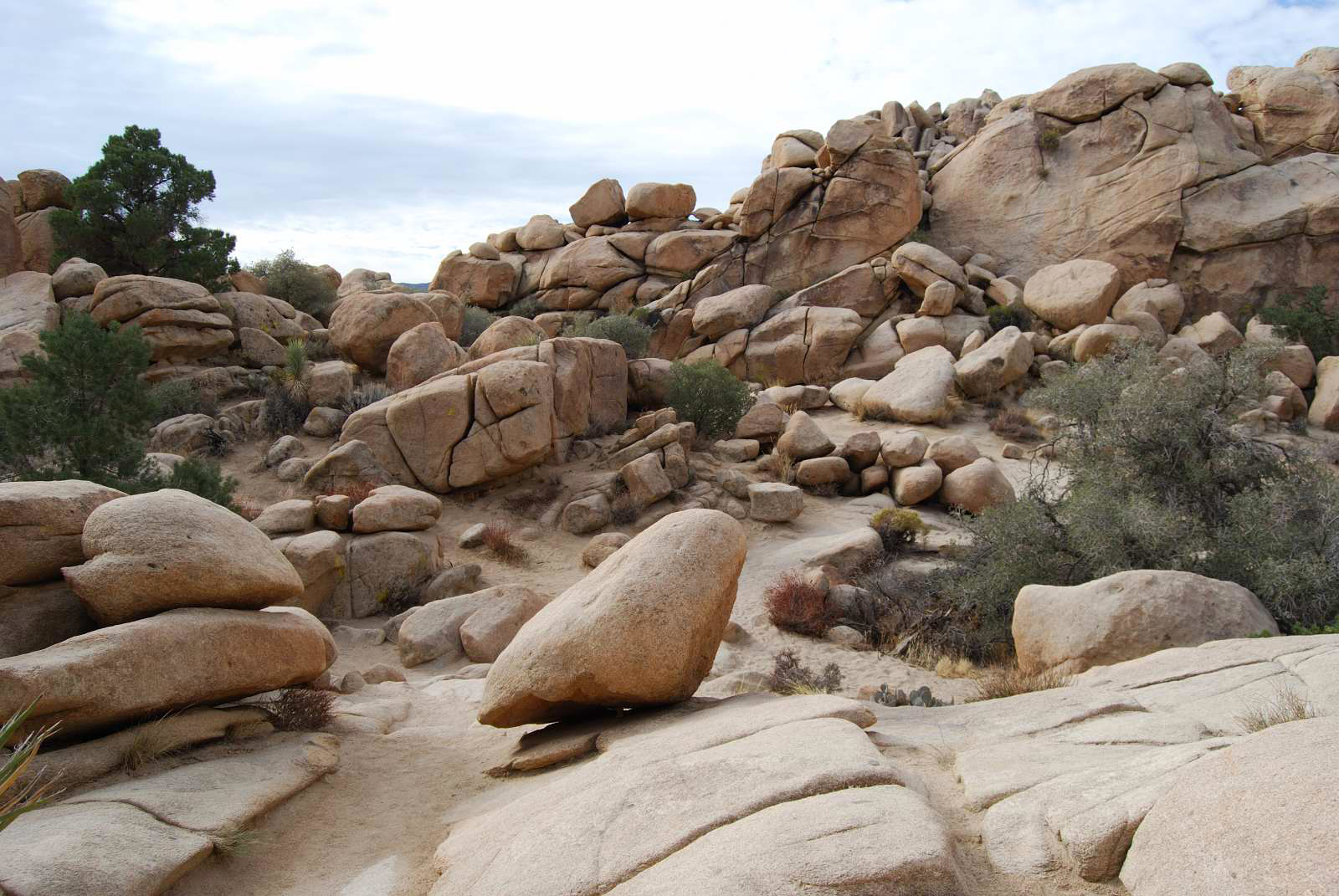
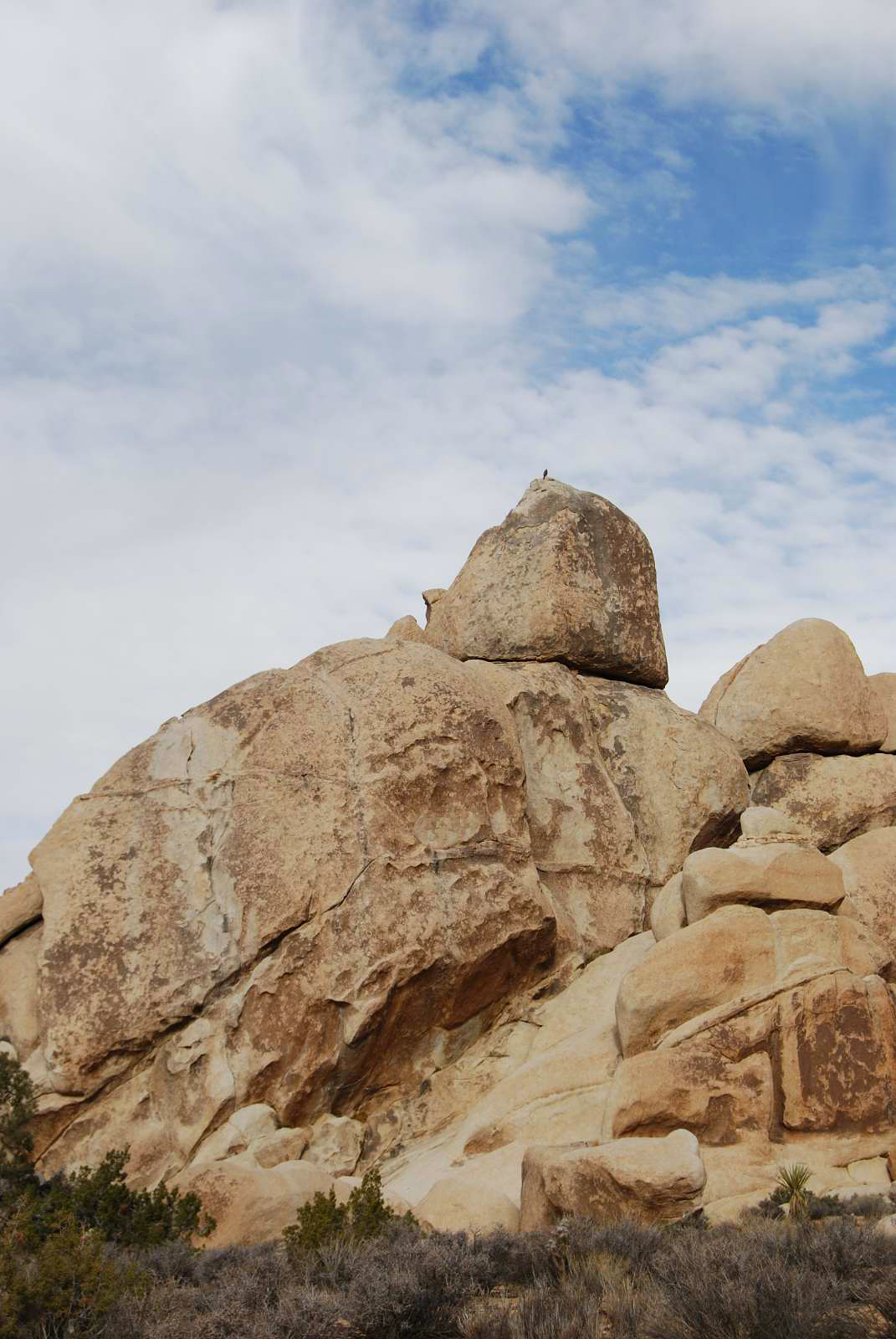
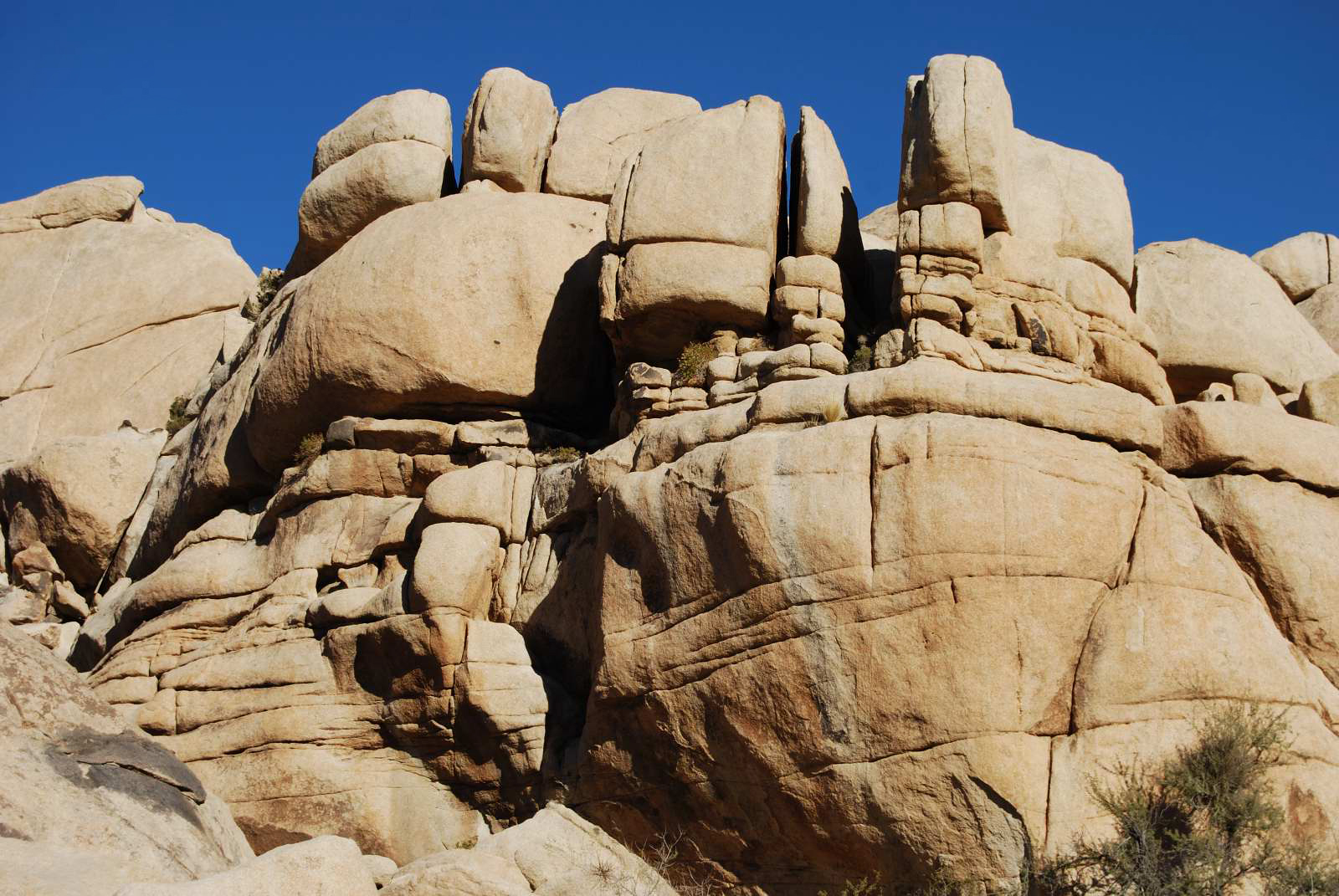
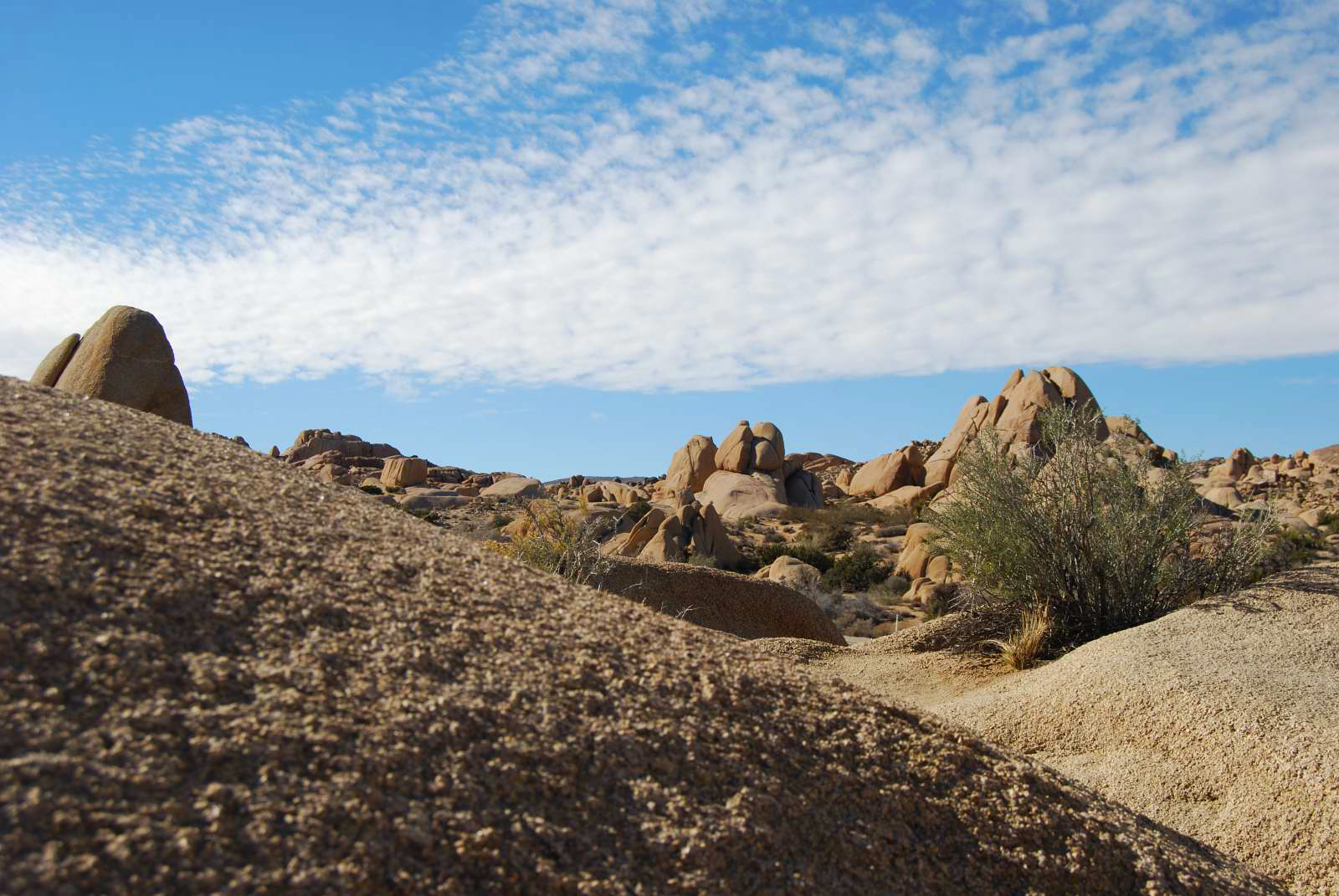
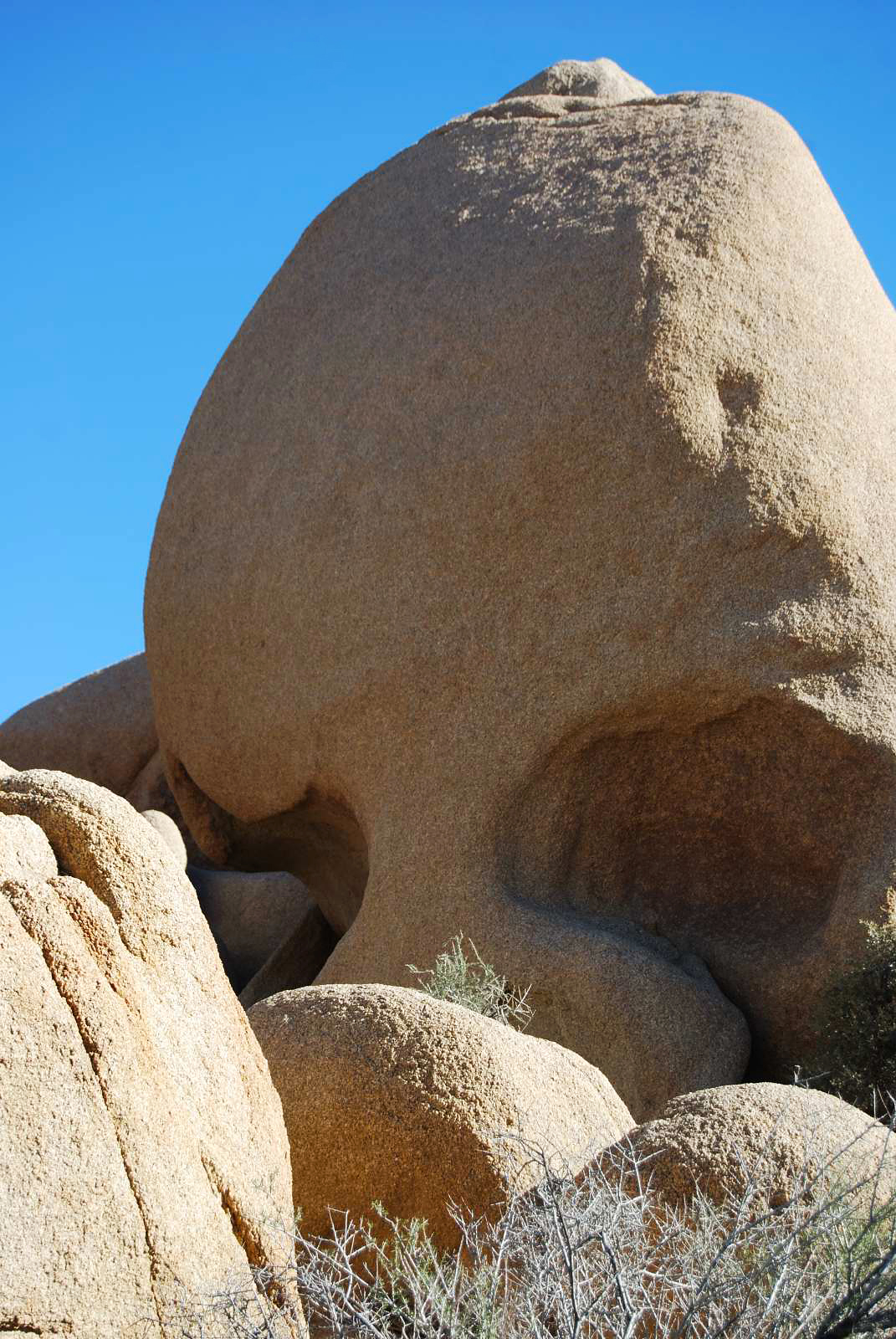
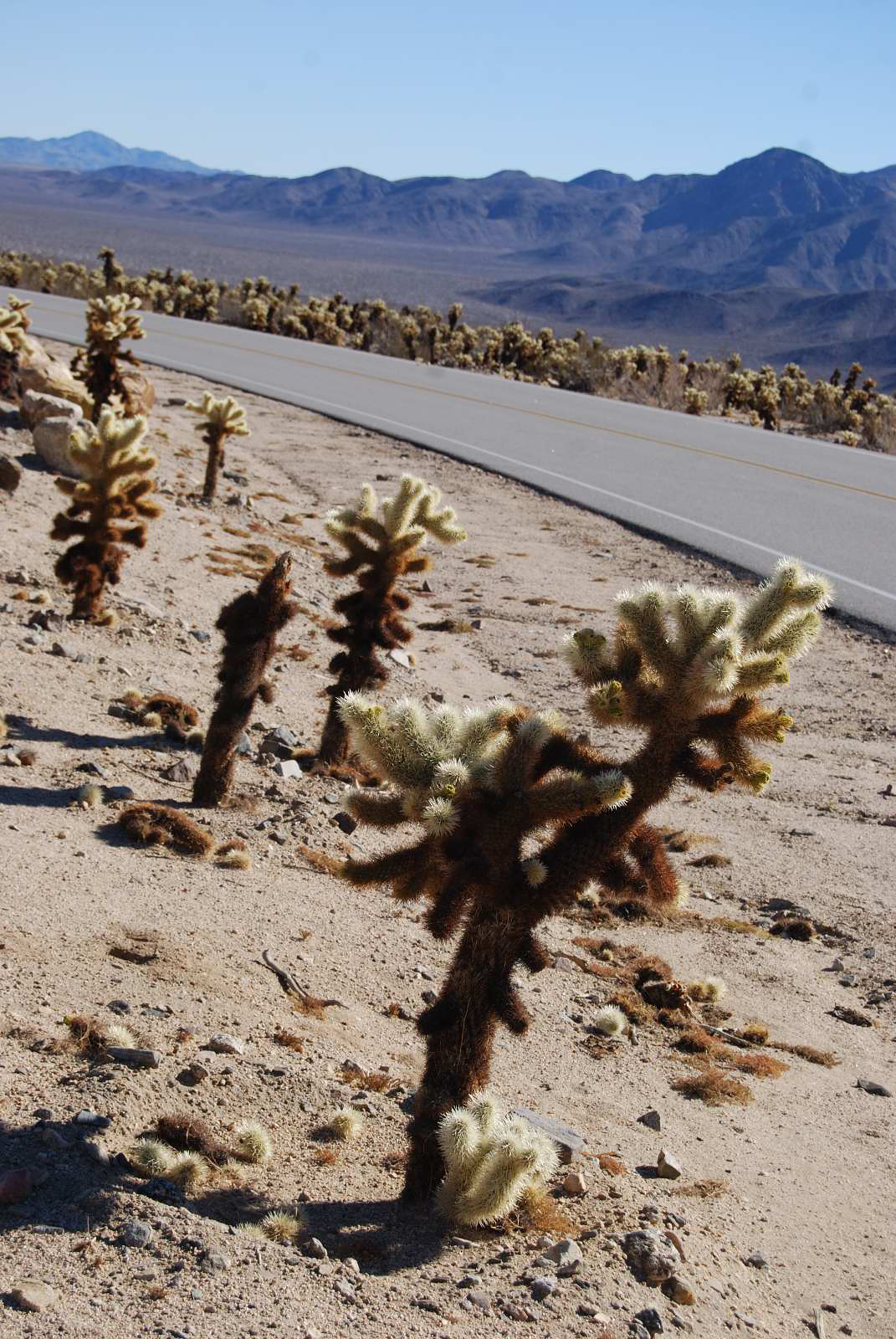
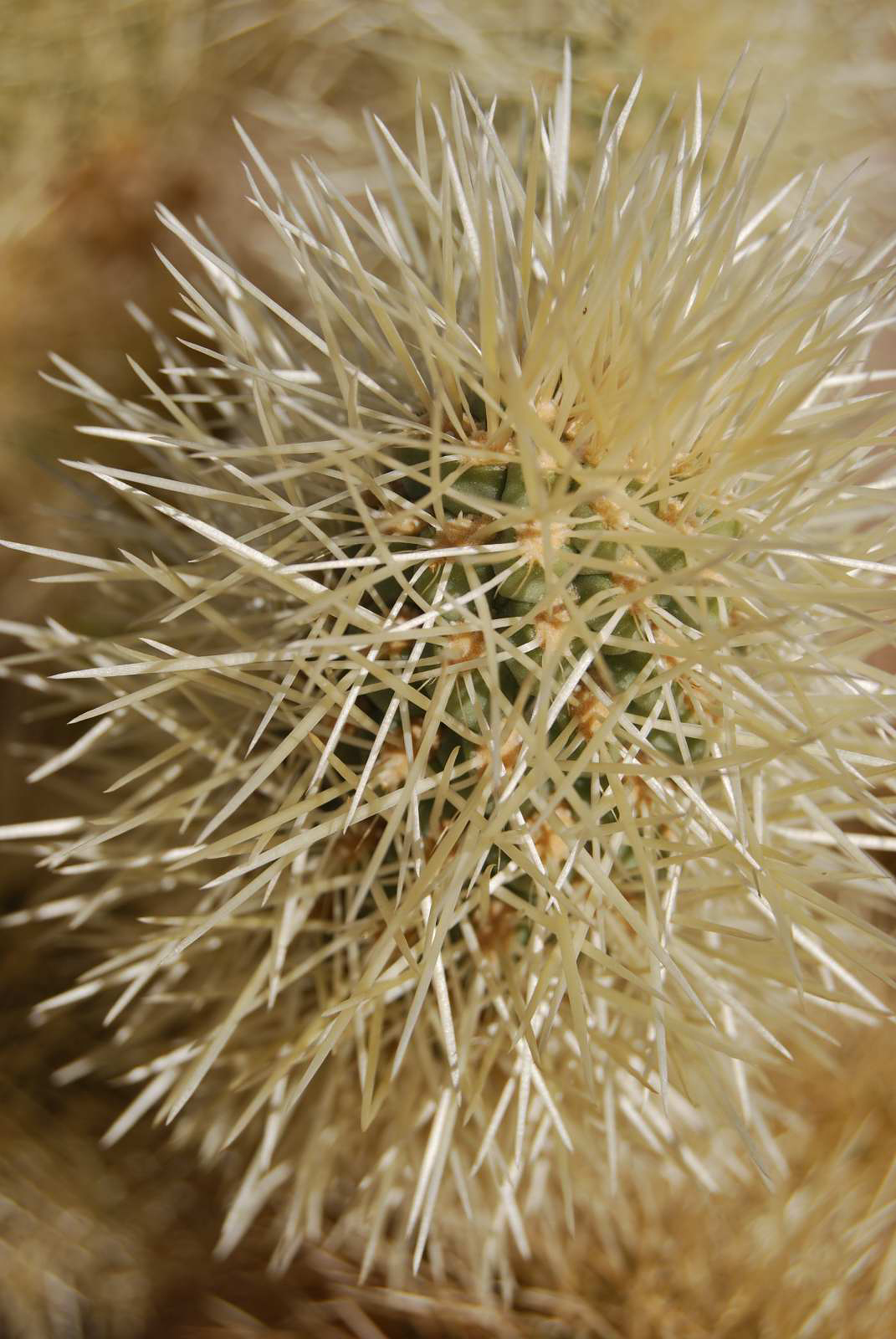
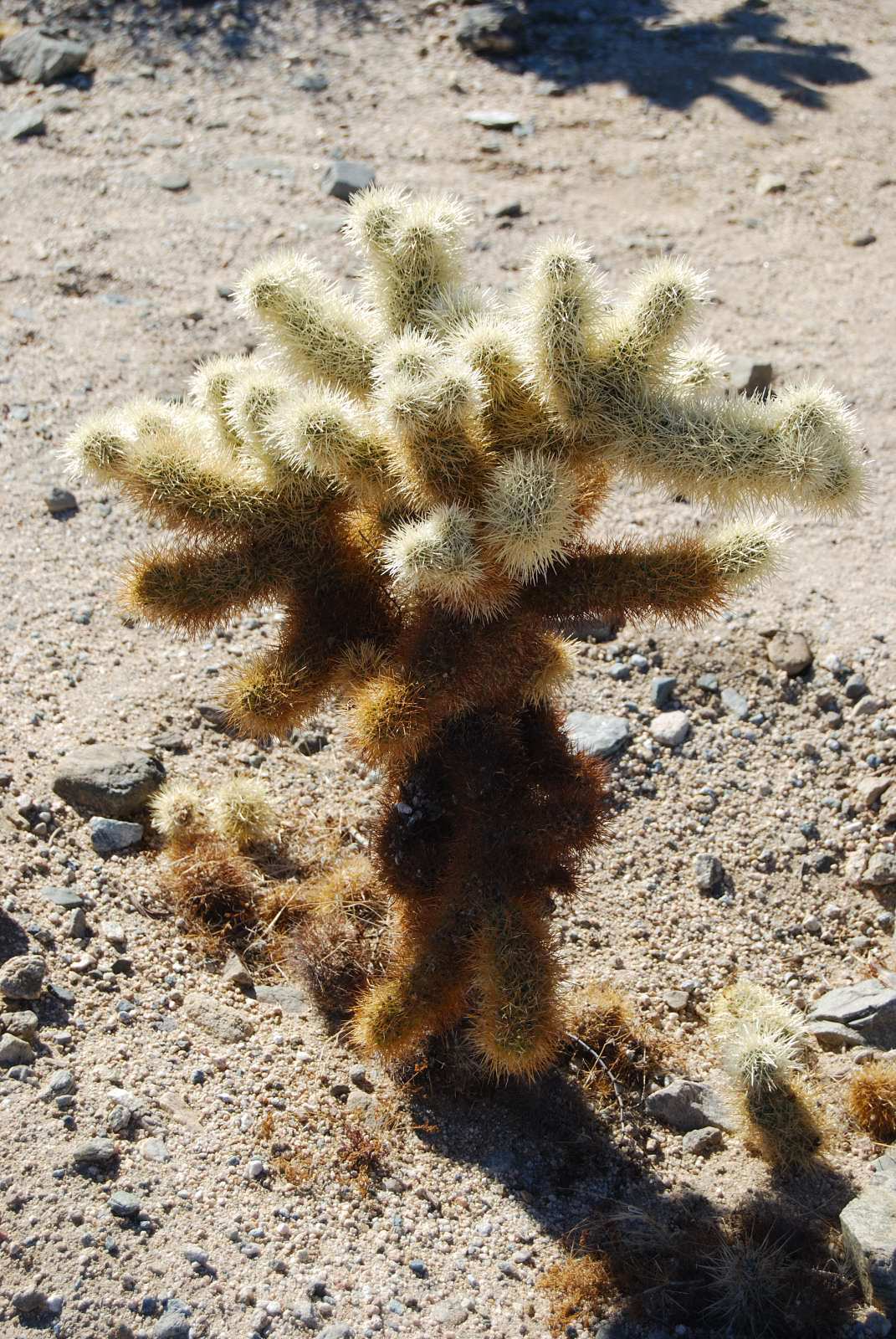
We enjoyed the hiking trails and often saw mountain climbers making their way around the boulders. Each interpretive trail was superb and well maintained. Hidden Valley and Barker Dam were loop trails with stunning views. Barker Dam featured Native American cave drawings, or petroglyphs. Among our favorite spots were Keys View and Cholla Cactus Garden. A comfortable place for lunch, nestled among piles of oddly shaped boulders, was Skull Rock.
Where the Streets Have No Name
Upon exiting the National Park on our last day, we realized how bonded we had became to this Joshua tree family. It was difficult to say goodbye to such a magical land. Turning our heads for one last look, full of gratitude, we saw in the distance our beloved Joshua trees, with their arms raised as if waving, full of grace. As implied in U2’s song, Where the Streets Have No Name, we felt we had arrived at a place of unity.









Leave a Reply