

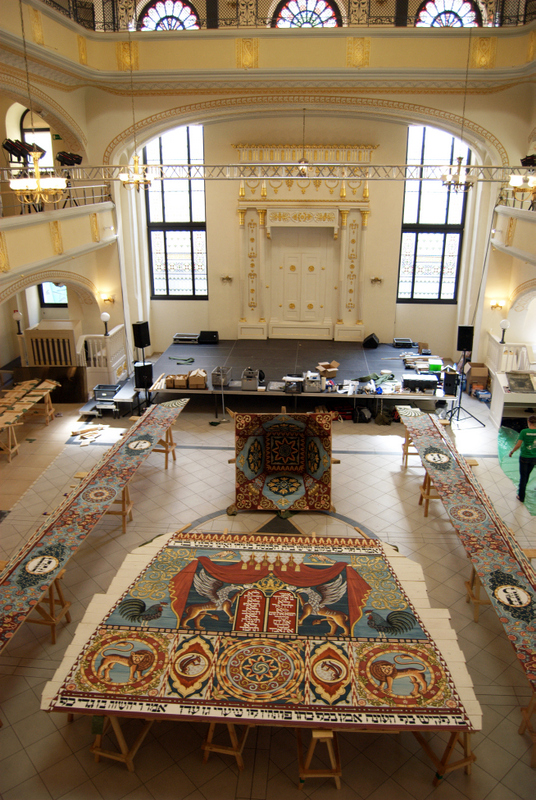
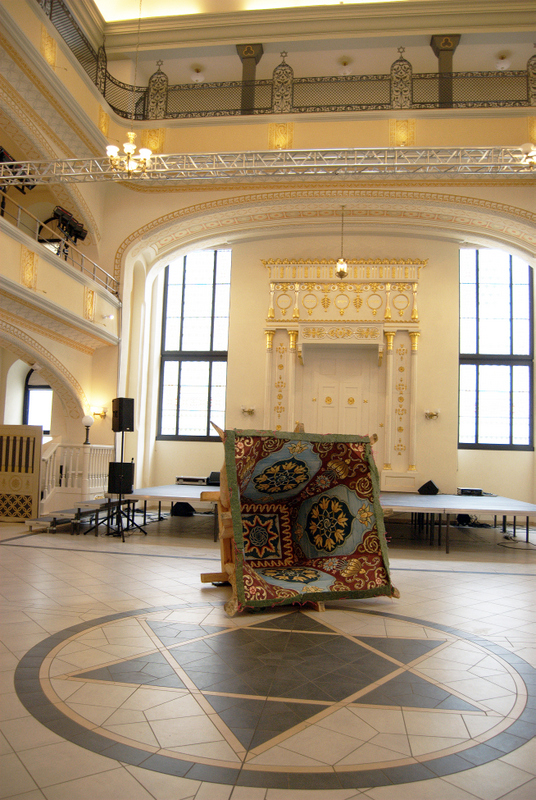
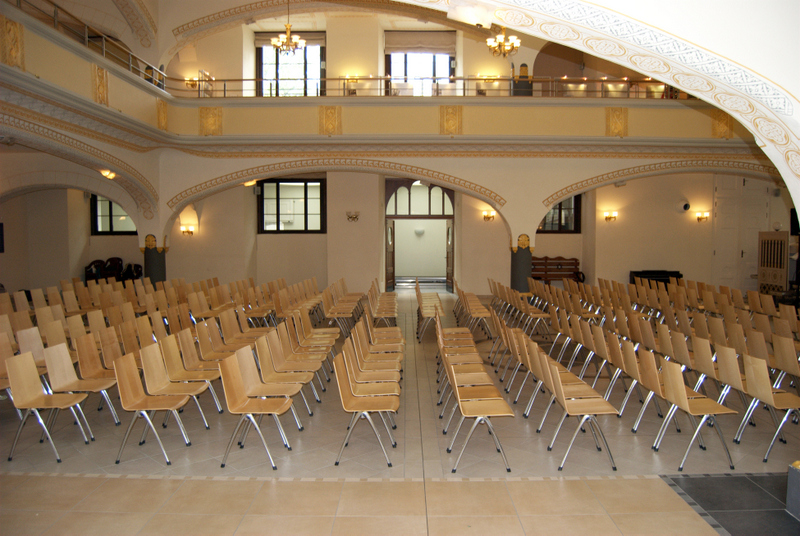
A few months ago, I immersed myself in a meditative project at the White Stork Synagogue, the only surviving synagogue in Wroclaw since the Holocaust in Poland. The non-profit organization, Handshouse Studio, had a “Learn by Doing” approach, which inspired individuals and students of various disciplines to participate in its programs and learn about the process of restoring historical, unique structures. This past summer, I had the special opportunity to work with Handshouse Studio on the Gwozdziec Synagogue Replication Project.
Project Scope
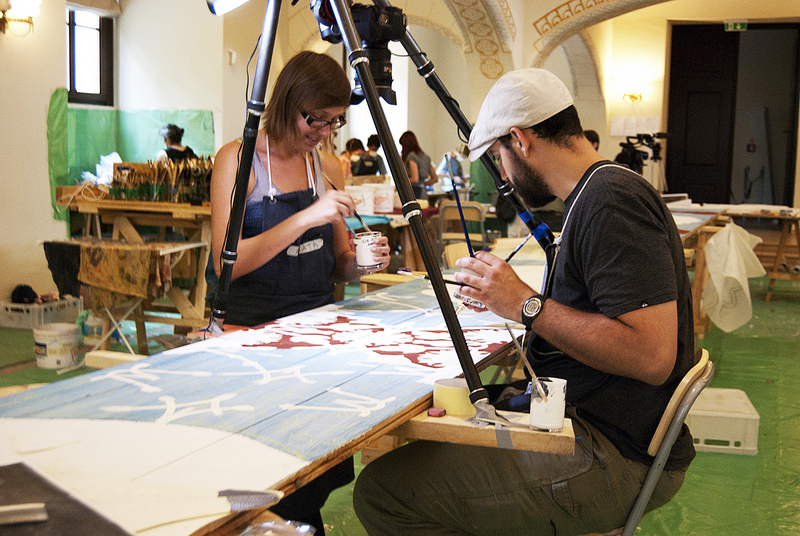
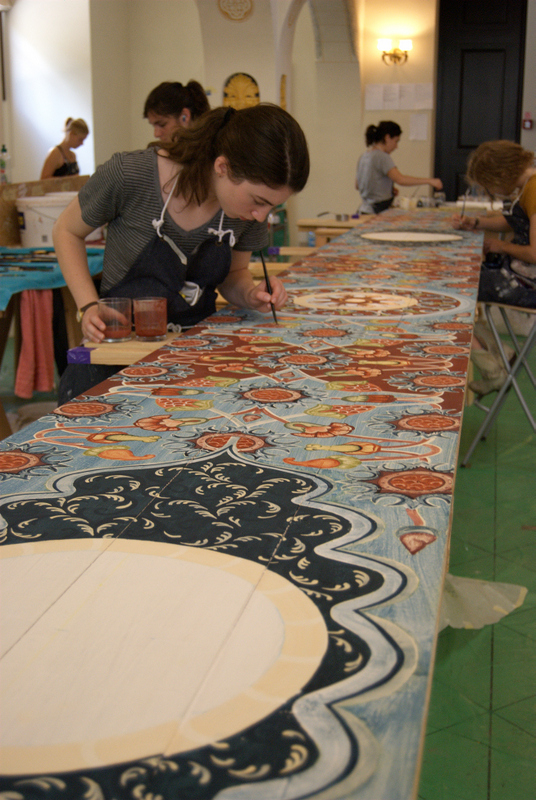
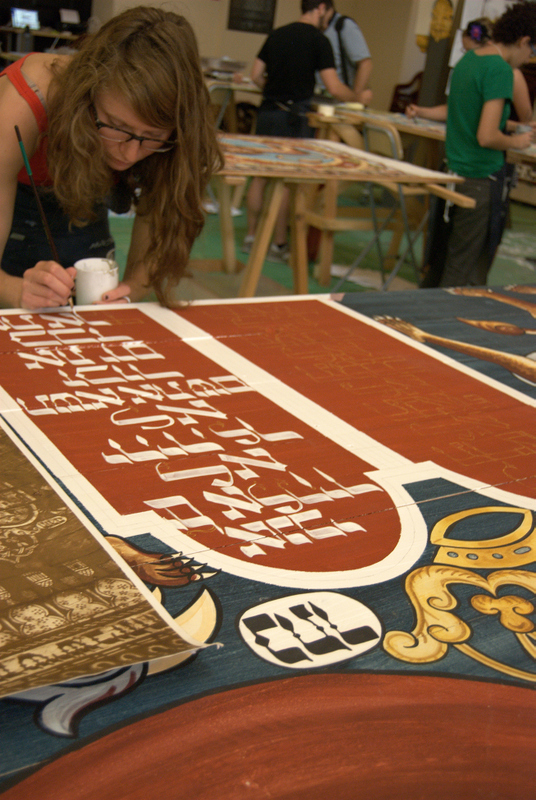
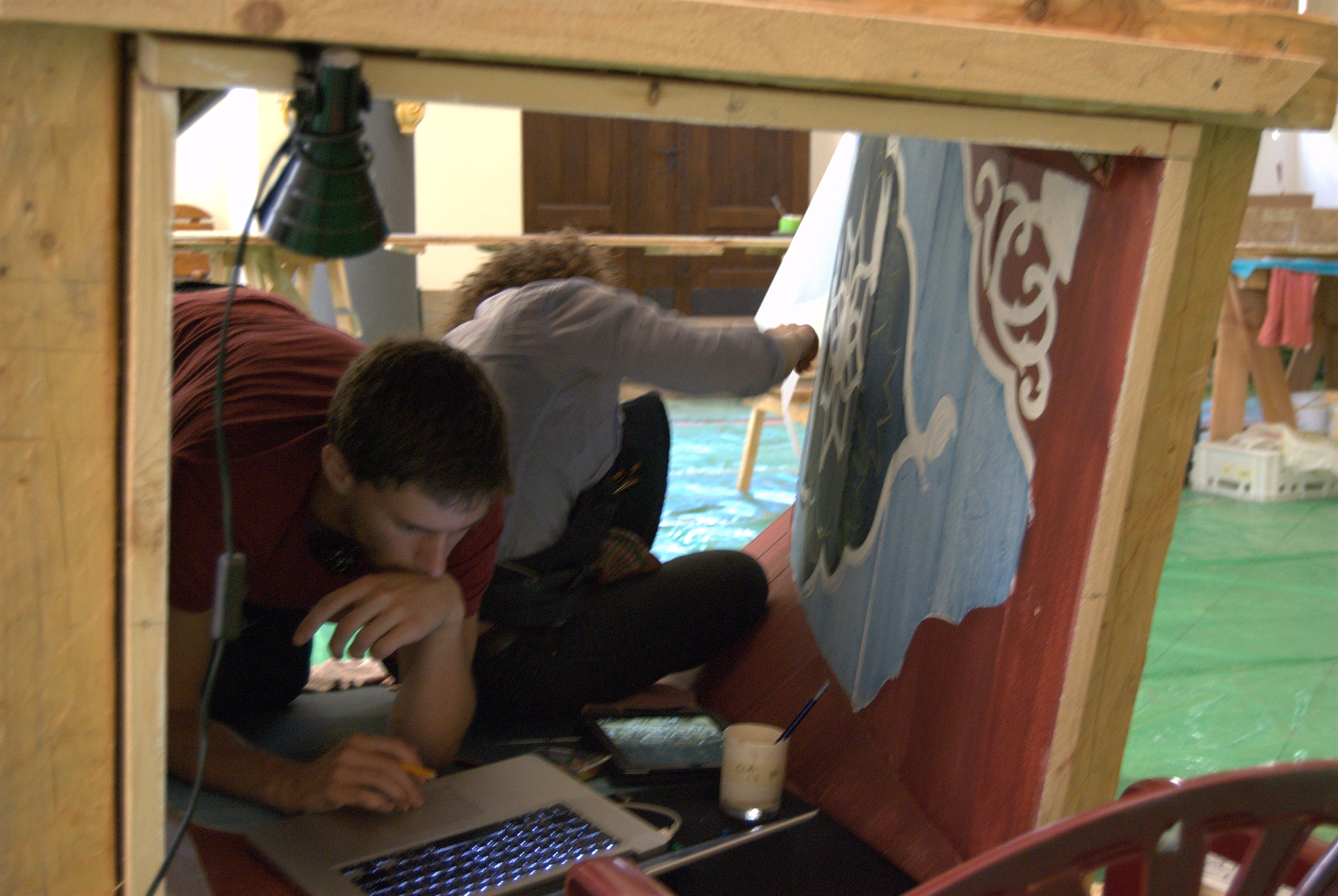
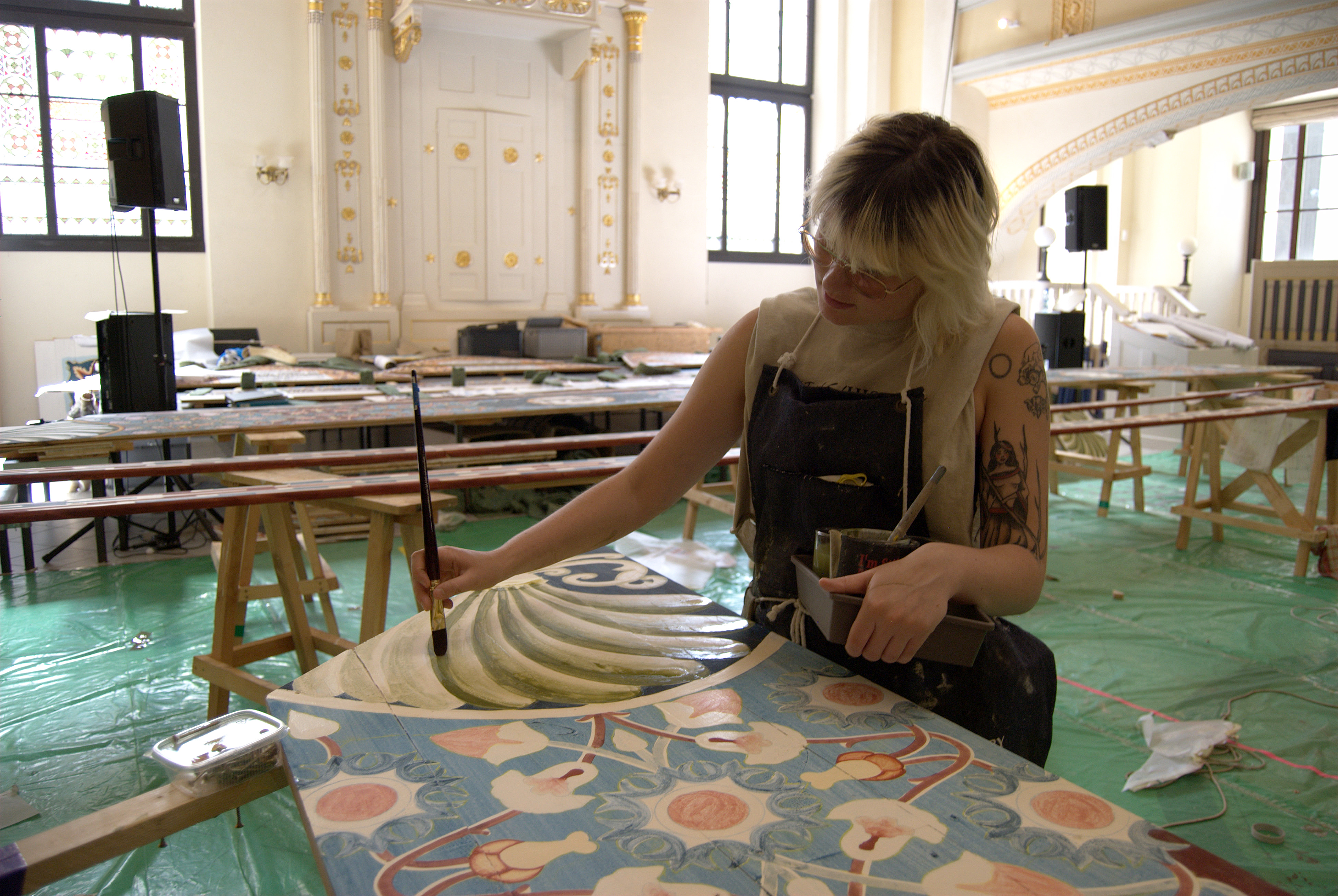
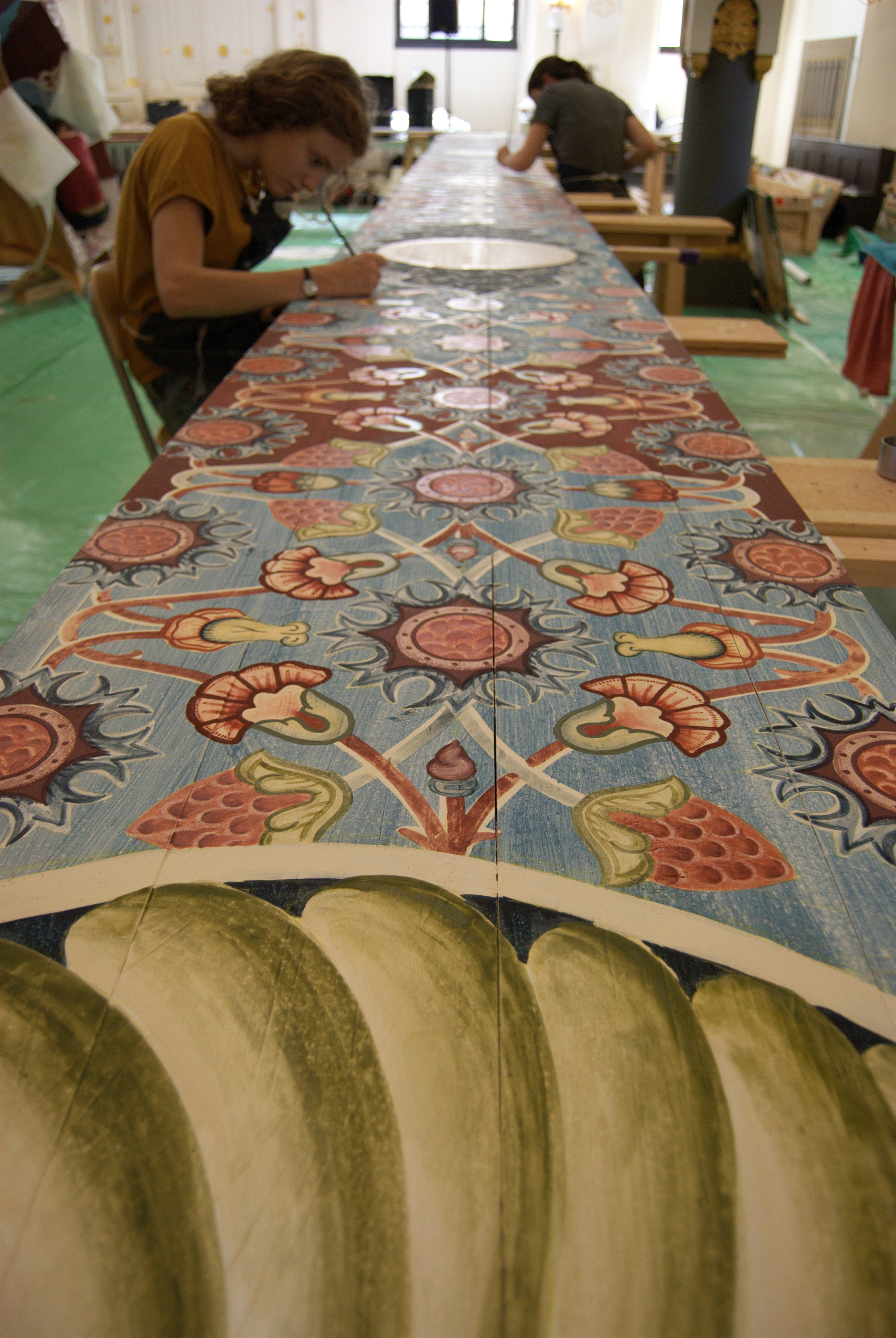
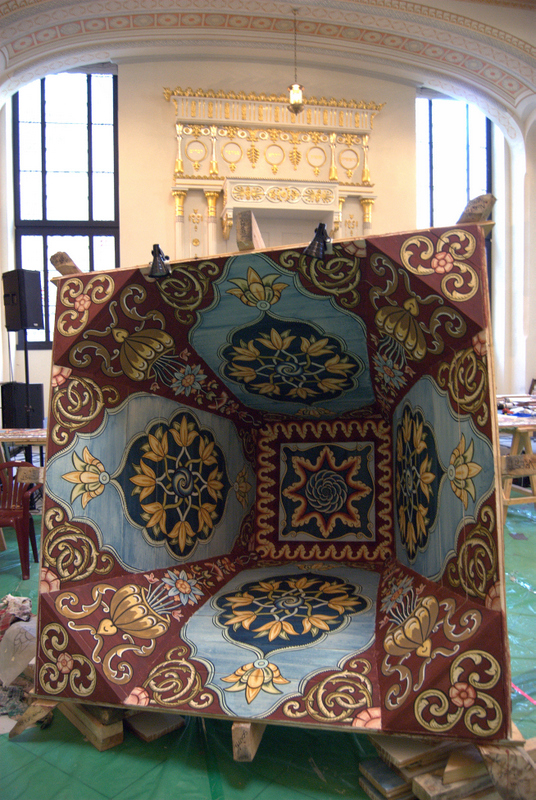
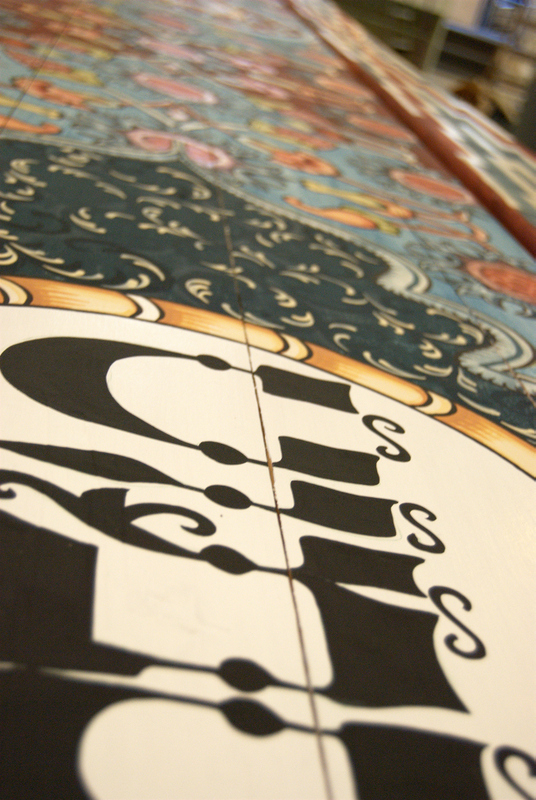
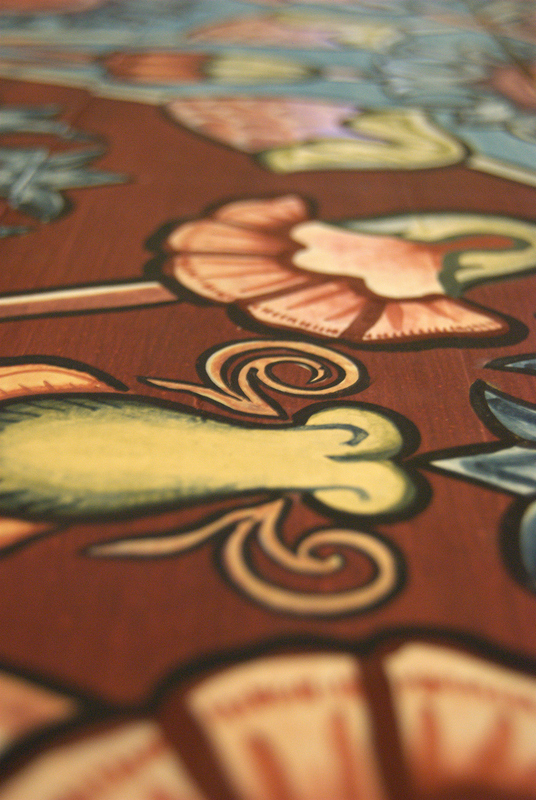
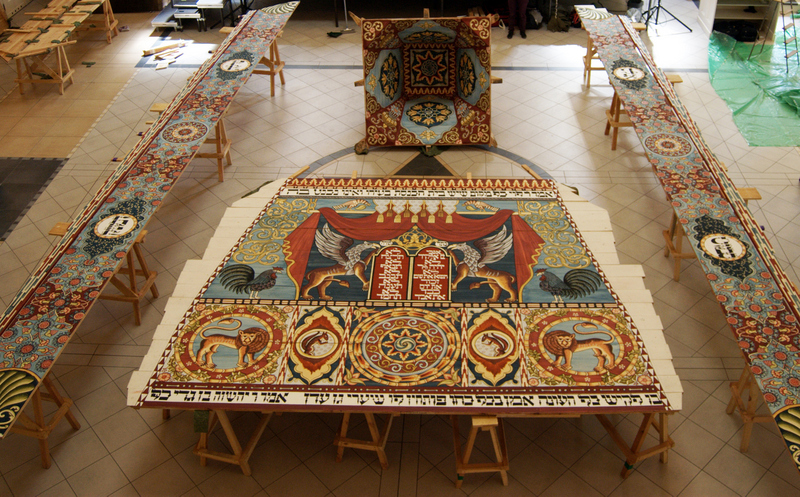
After a series of sunrise-to-sundown days following the routine listed below, our team completed the roof mural.
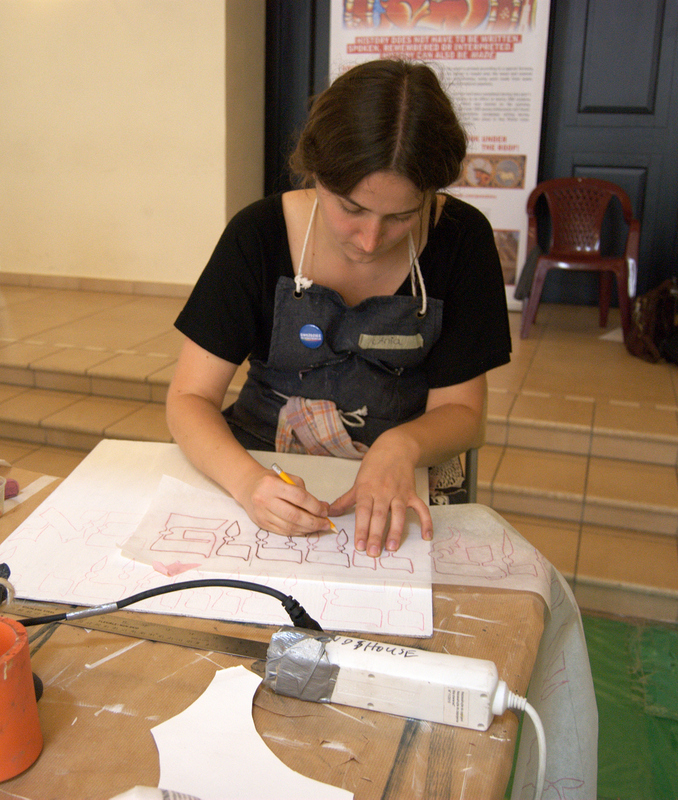
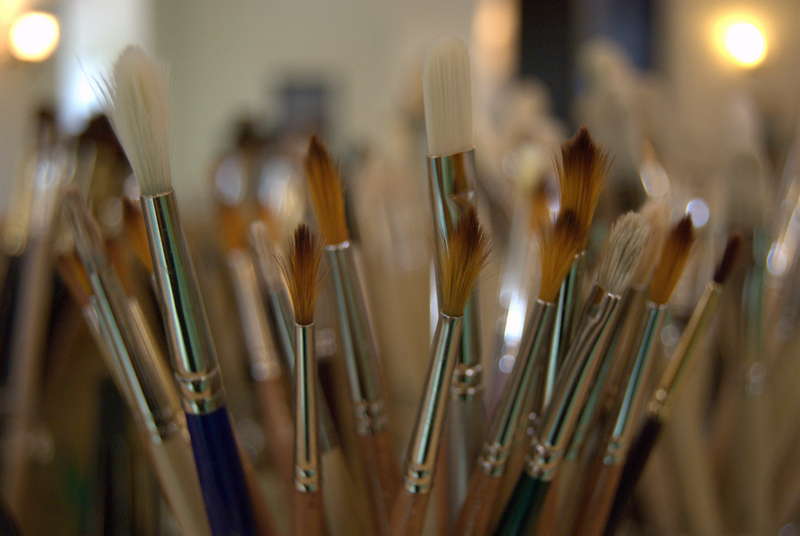
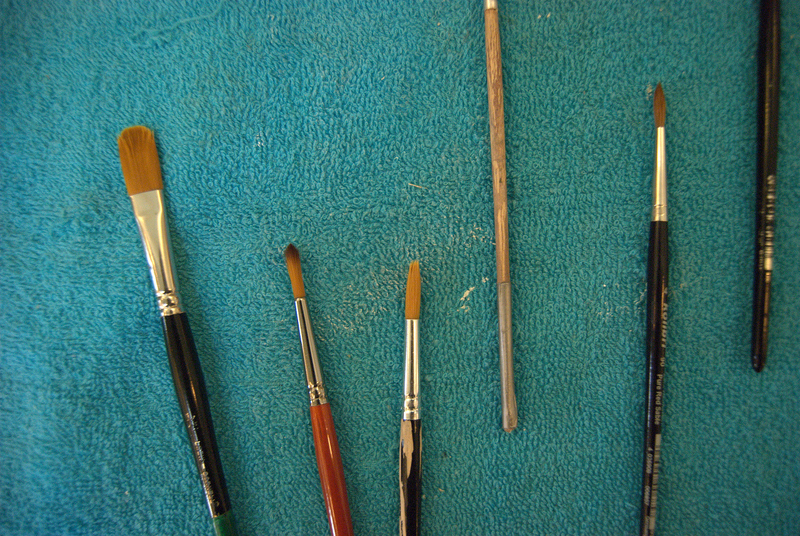
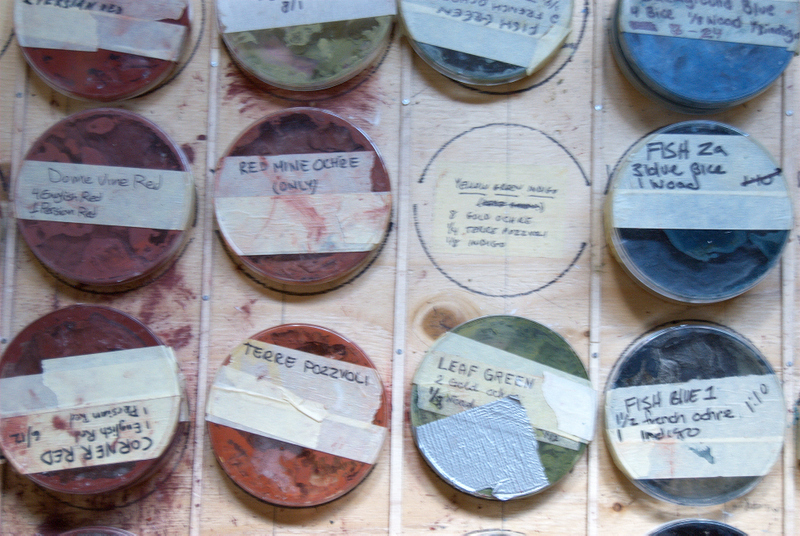
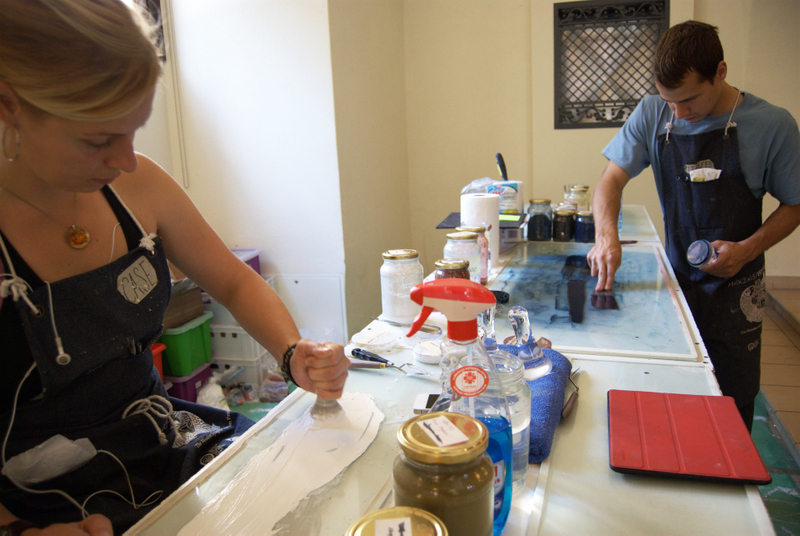
- Mixed paint and gesso from raw materials
- Prepared test panels
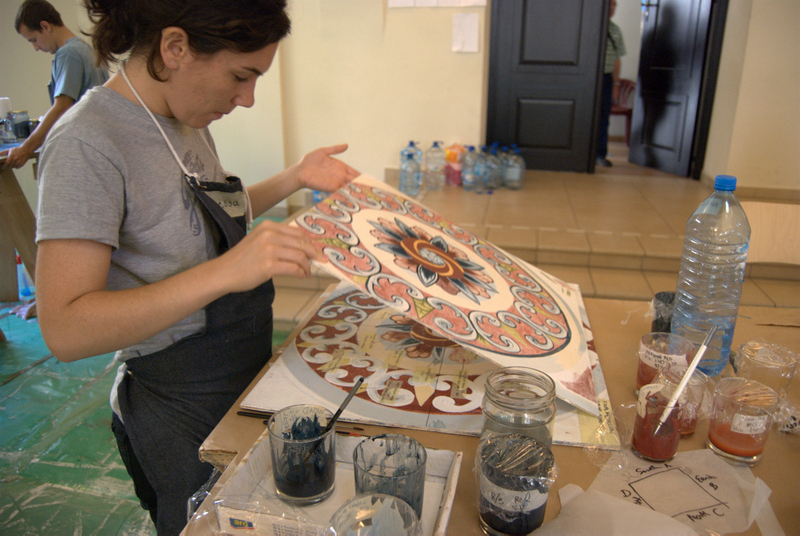
- Studied 17th century artists’ styles
- Applied finished pigments onto wooden boards
- Complied with strict guidelines for restoring historical art
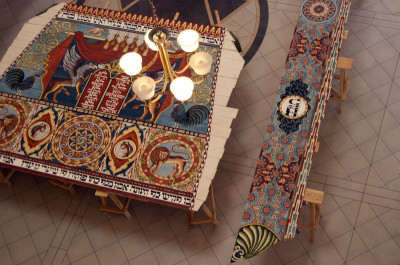
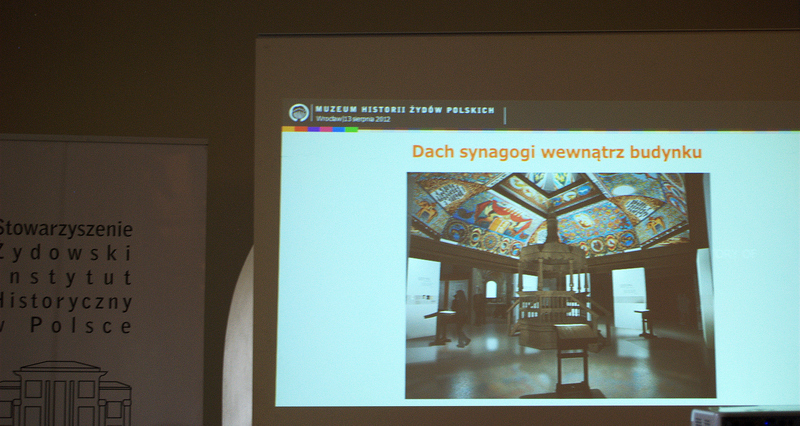
The cupola (80% to scale) will be part of the permanent core installation at the Museum of the History of Polish Jews (POLIN), located on the site of the Warsaw ghetto. According to Handshouse Studio, this project took “nearly 10 years of work: 8 years of research and 2 years of workshops, over 300 people, more than 400 pieces of the roof structure made out of 200 logs of wood, 29 sections forming the roof, 13 forming the lantern, 67 paintings of mythical animals, 1000 of flowers, bunches of grapes and buds”.
Thanks to the Handshouse Studio staff and supporters for helping raise awareness of symbolism in art. This mission helps cultivate a growing awareness of our history.
Learn more about the project. Watch the documentary film, Raise the Roof on Amazon Prime.
My Challenge in the Work Behind This Project
In order to replicate the artists’ skills from centuries ago, I first needed to set aside my own artistic style. Methodically, I applied the same paint strokes daily, so the images would match the historical archives. This was how the intricate murals of the Gwozdziec synagogue could retain their symbolic legacy.
I couldn’t introduce personal creativity into the project while adhering to the protocol. I suppose this was how mistakes would be minimized and output maximized. Remaining disciplined and honoring Handshouse Studio’s ethic was key to mastering the art of restoration. Turning away from novelty was essential to rebuilding the Gwozdziec synagogue.






Leave a Reply