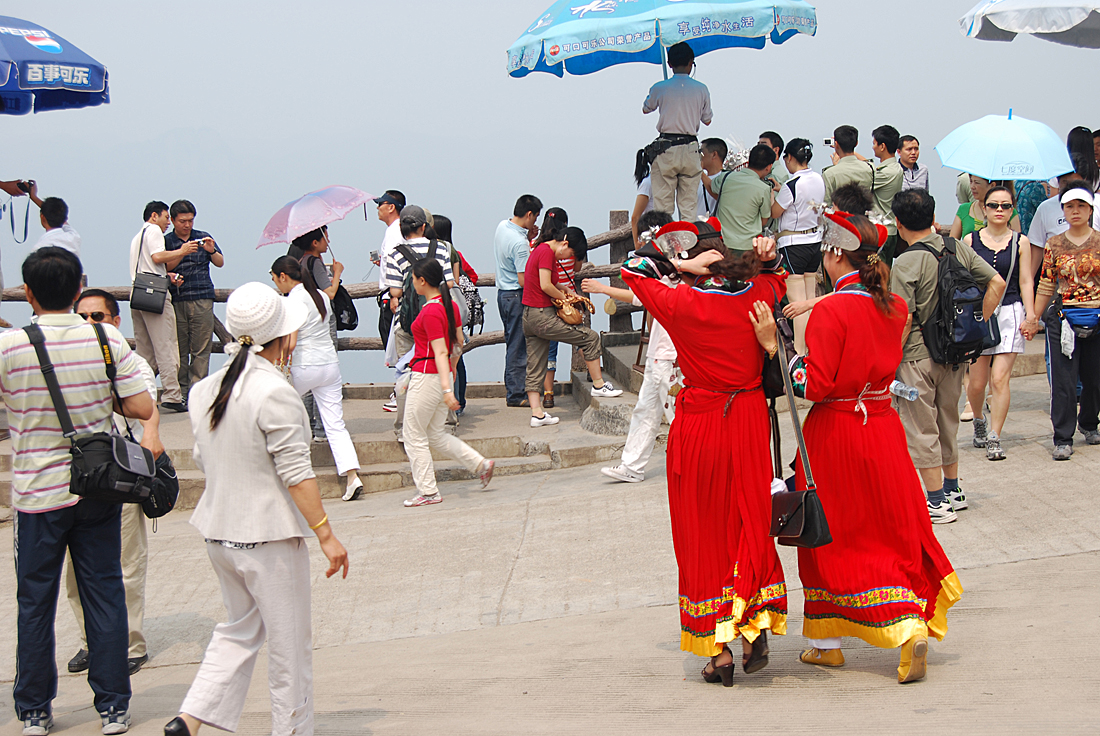

Visiting China, the land of my family’s origin, was a special trip for me, and a window into my identity. I retraced my roots and saw the cities where my parents met and grew up. I was curious about what life was like for my paternal family before immigrating to America, and for my maternal family still living in China. I was also interested in how the country had influenced each of them.
My first trip to China was for a unique photography commission. Wanting to share my experience, a small group of working professionals (research scientists and engineers) was organized to join me. We shared our first of many meals at a local Tibetan restaurant in the States prior to our trip.
I was given the opportunity to select the locations in China to visit, including my maternal family’s hometown, so I could also visit relatives. The itinerary was quite ambitious, with many historical sites and varied terrain to photograph. China’s history spans thousands of years and numerous dynasties. While in Tibet, China’s military occupation was visibly present. As a tourist, it felt odd and uncomfortable to see a convoy of Chinese military trucks on the road. Somehow they looked misplaced and foreign in such a peaceful, spiritual place surrounded by the Himalayas and prayer flags.
Soon after returning home, my China photography was accepted for an exhibit at the Harbor Park Gallery at the John Joseph Moakley United States Courthouse. It was wonderful to share those memories through this show with my fellow travel mates. They came to see the exhibit, and we reminisced about each place and moment we shared.
As an invited guest speaker at Brown University for the closing convocation of Asian-American History Month, I spoke about how my heritage influenced my art as a Chinese-American. As part of the talk, I presented observations and photographs from my trip to show how elements of China had shaped my artistic style. The talk was featured in their Brown Daily Herald.
Hong Kong Rush
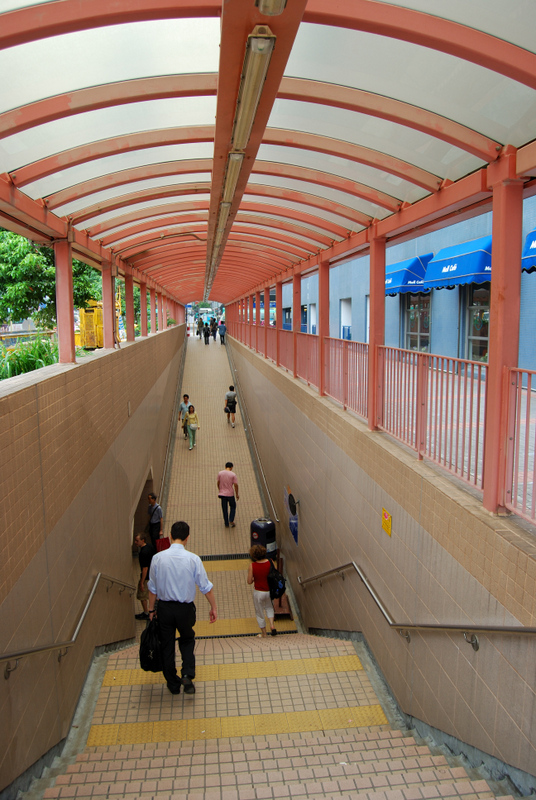
It wasn’t rush hour, but it certainly felt like it in Hong Kong. This city reminded me of Manhattan—busy, energetic, and even carefree in certain pockets.
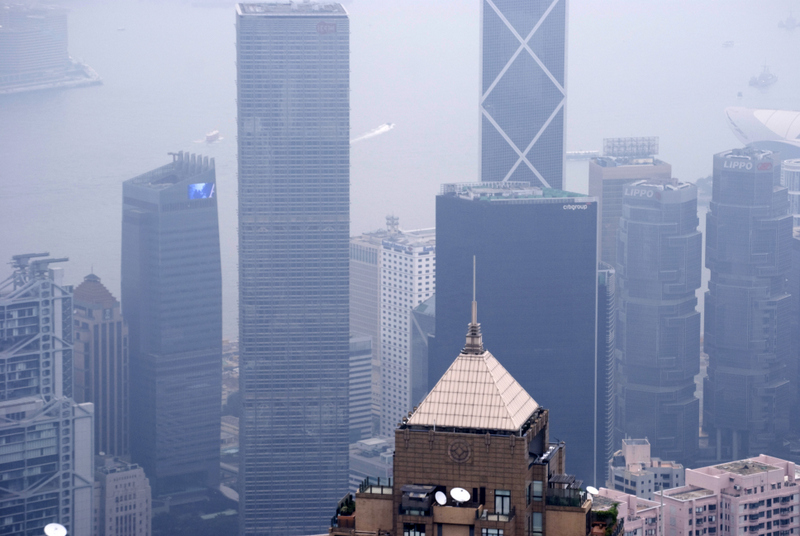

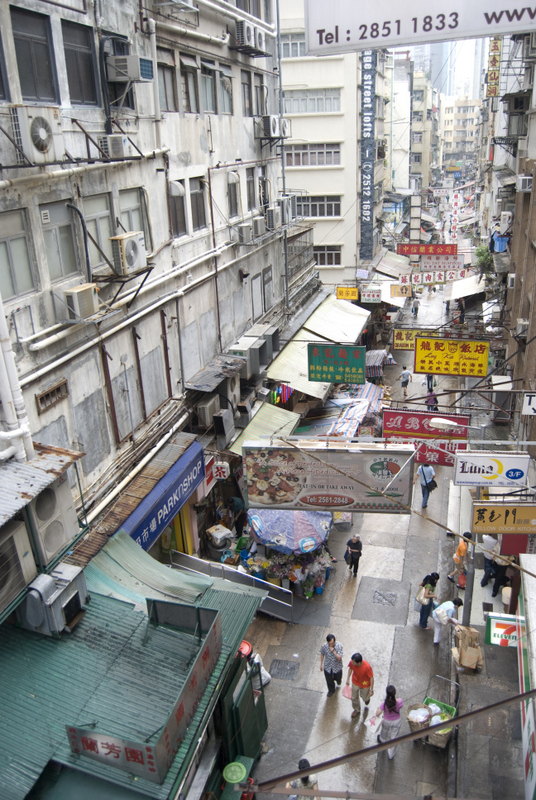
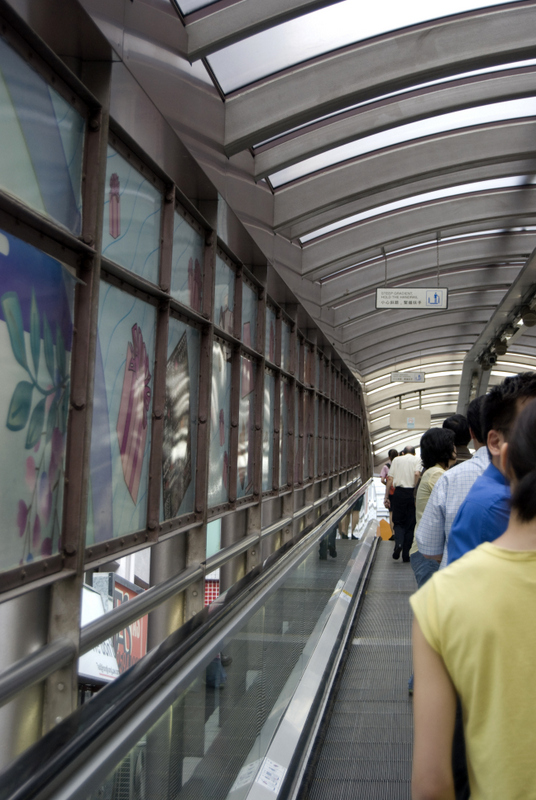
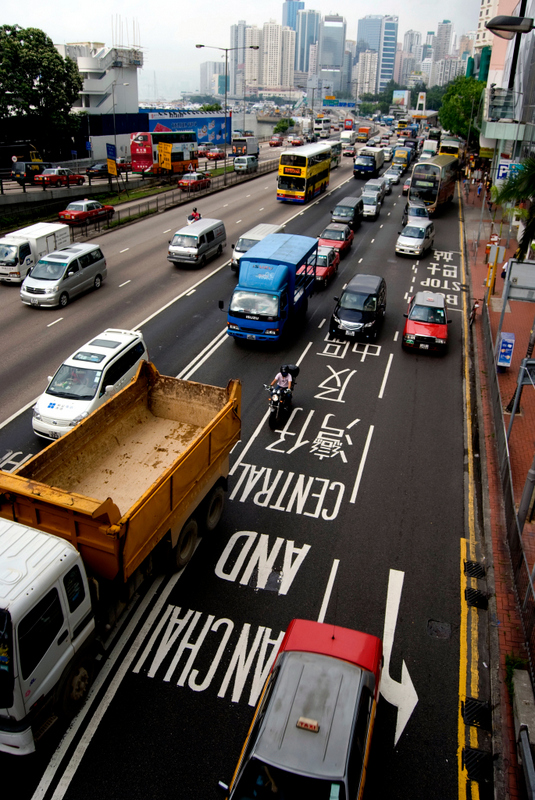
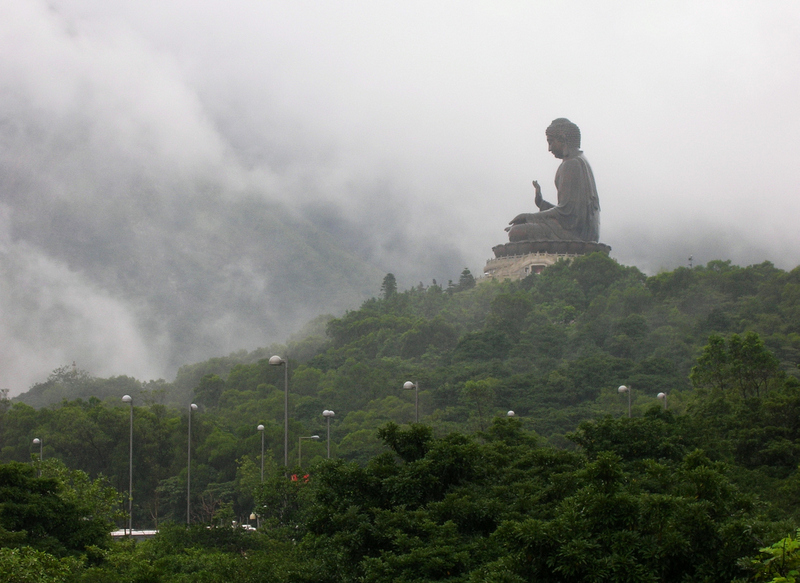
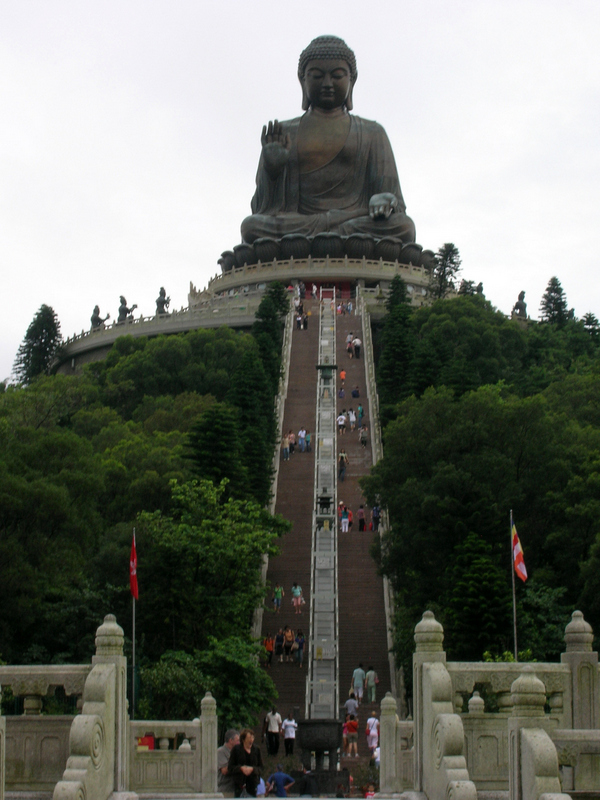
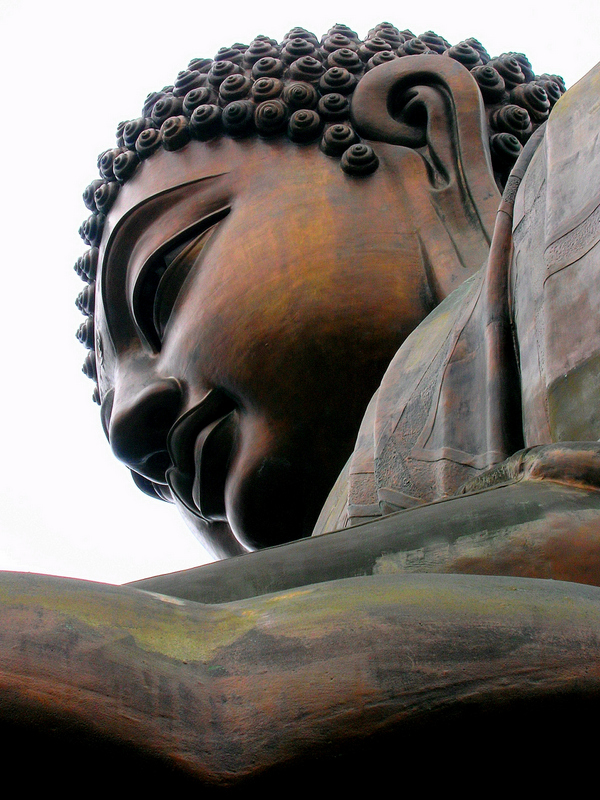
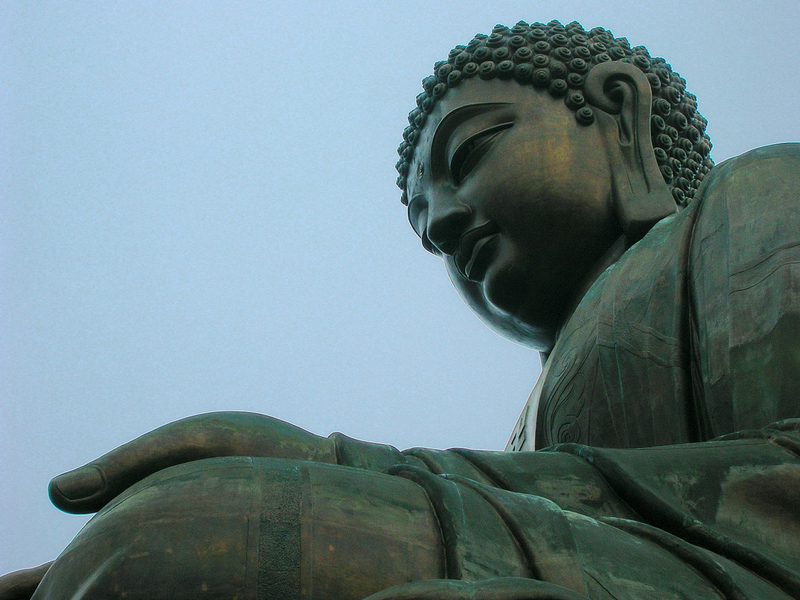
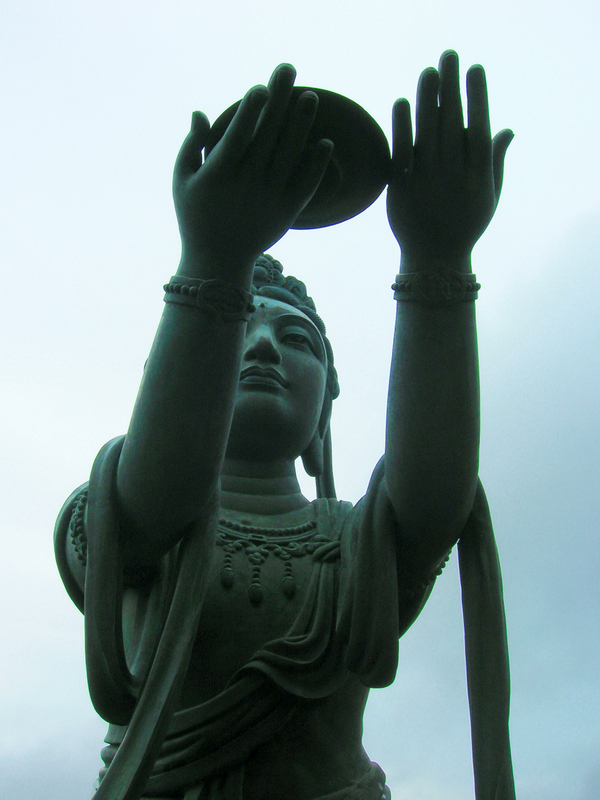
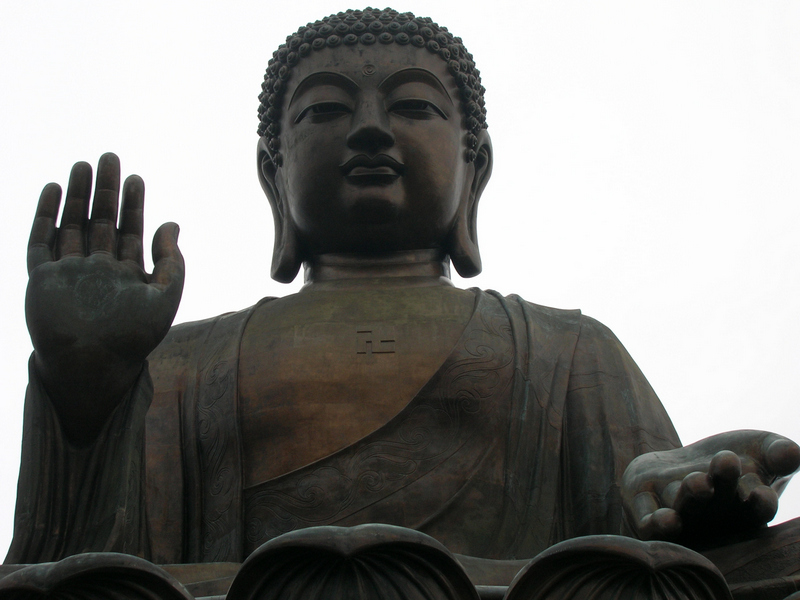
Ngong Ping, Lantau Island in Hong Kong
Guangzhou
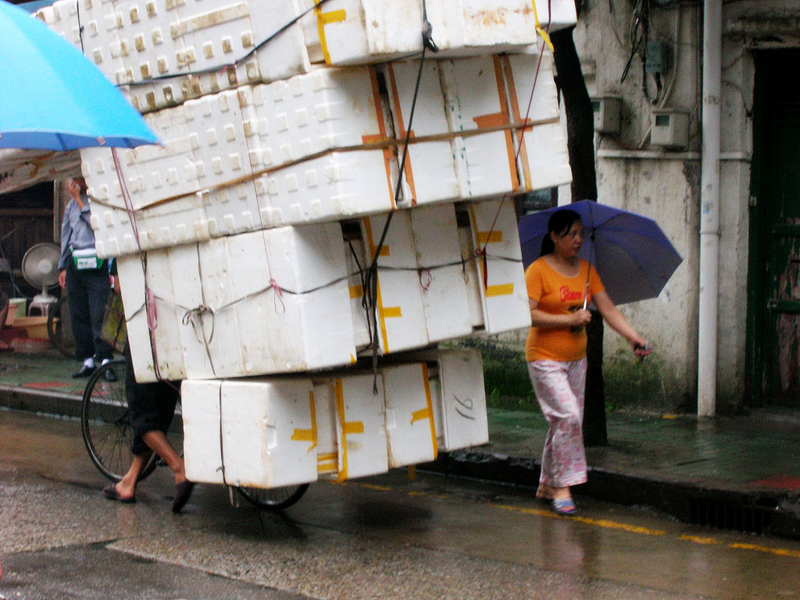
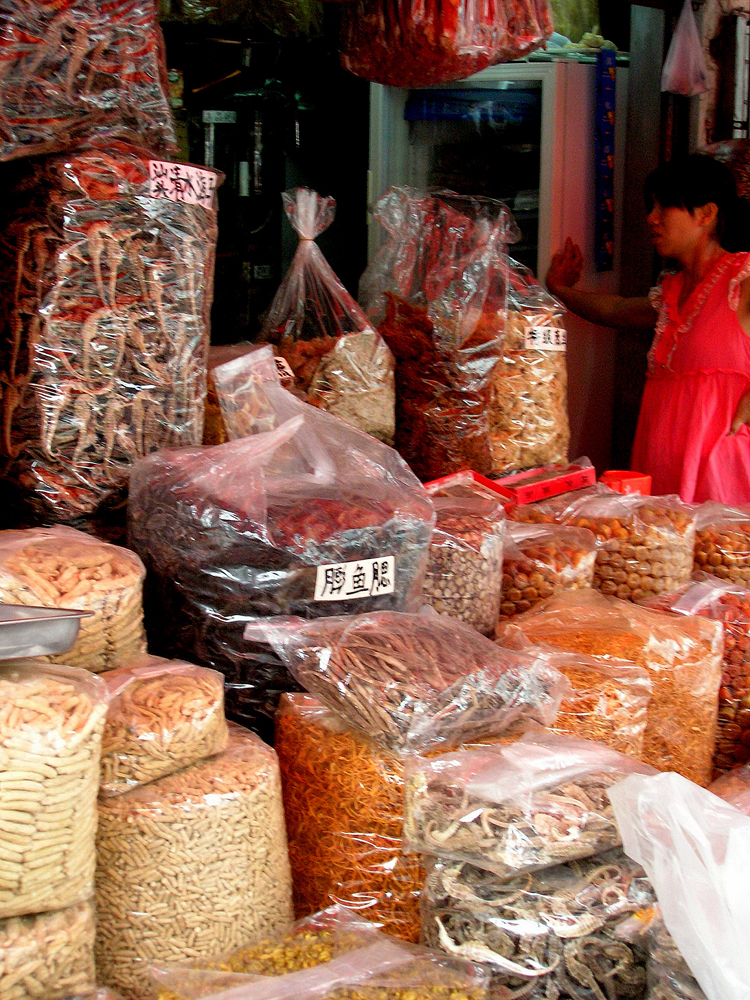
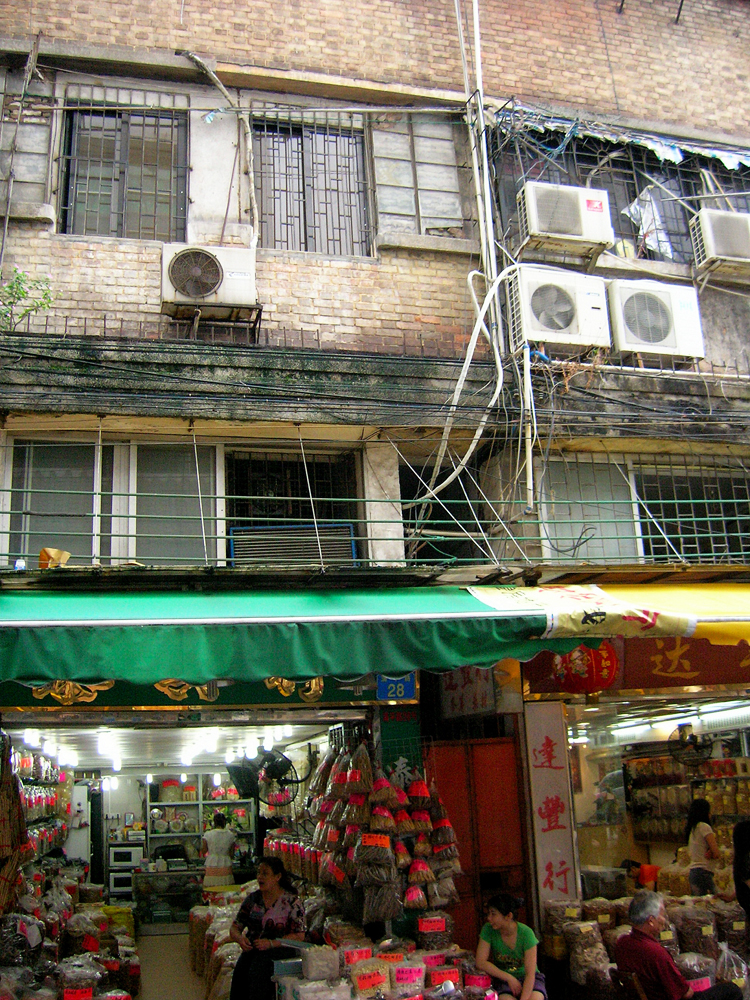
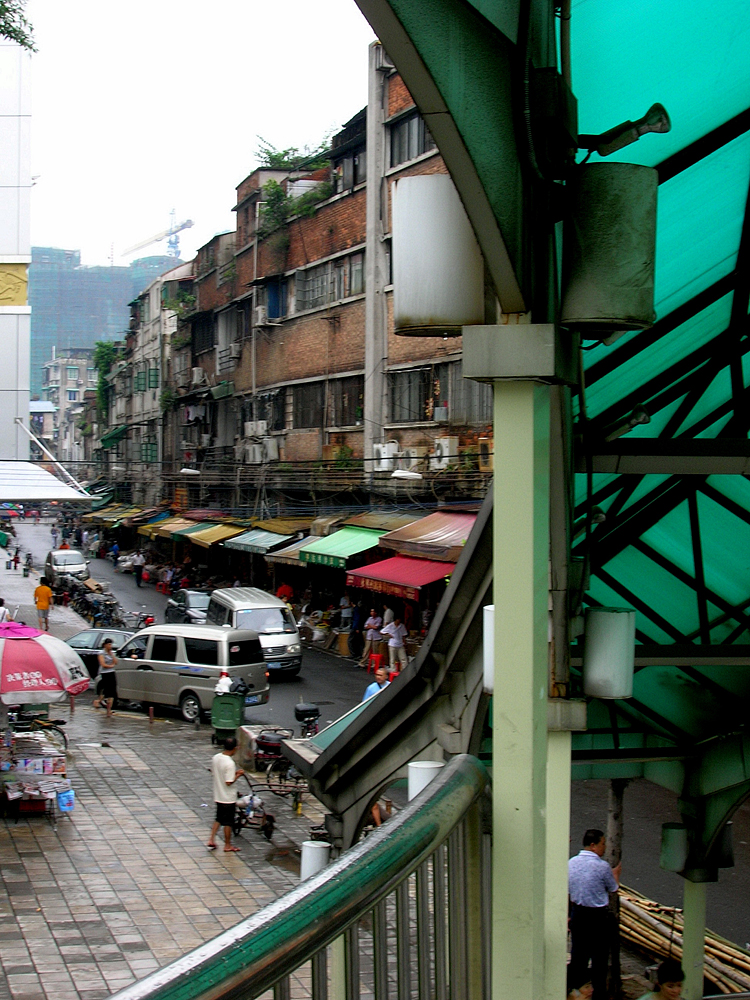
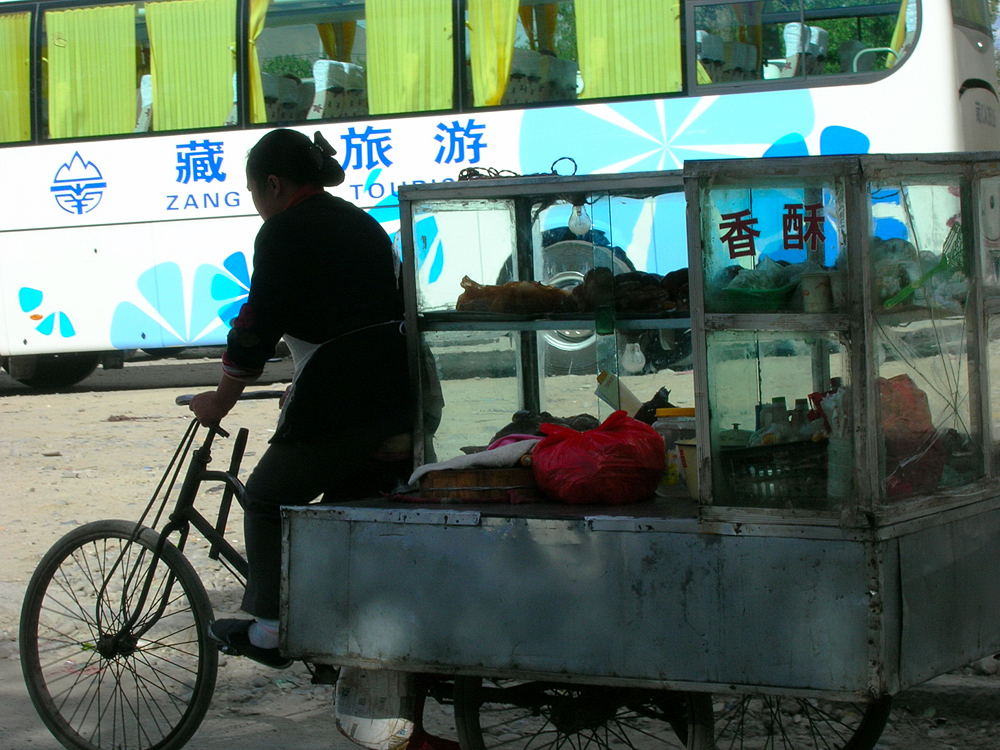
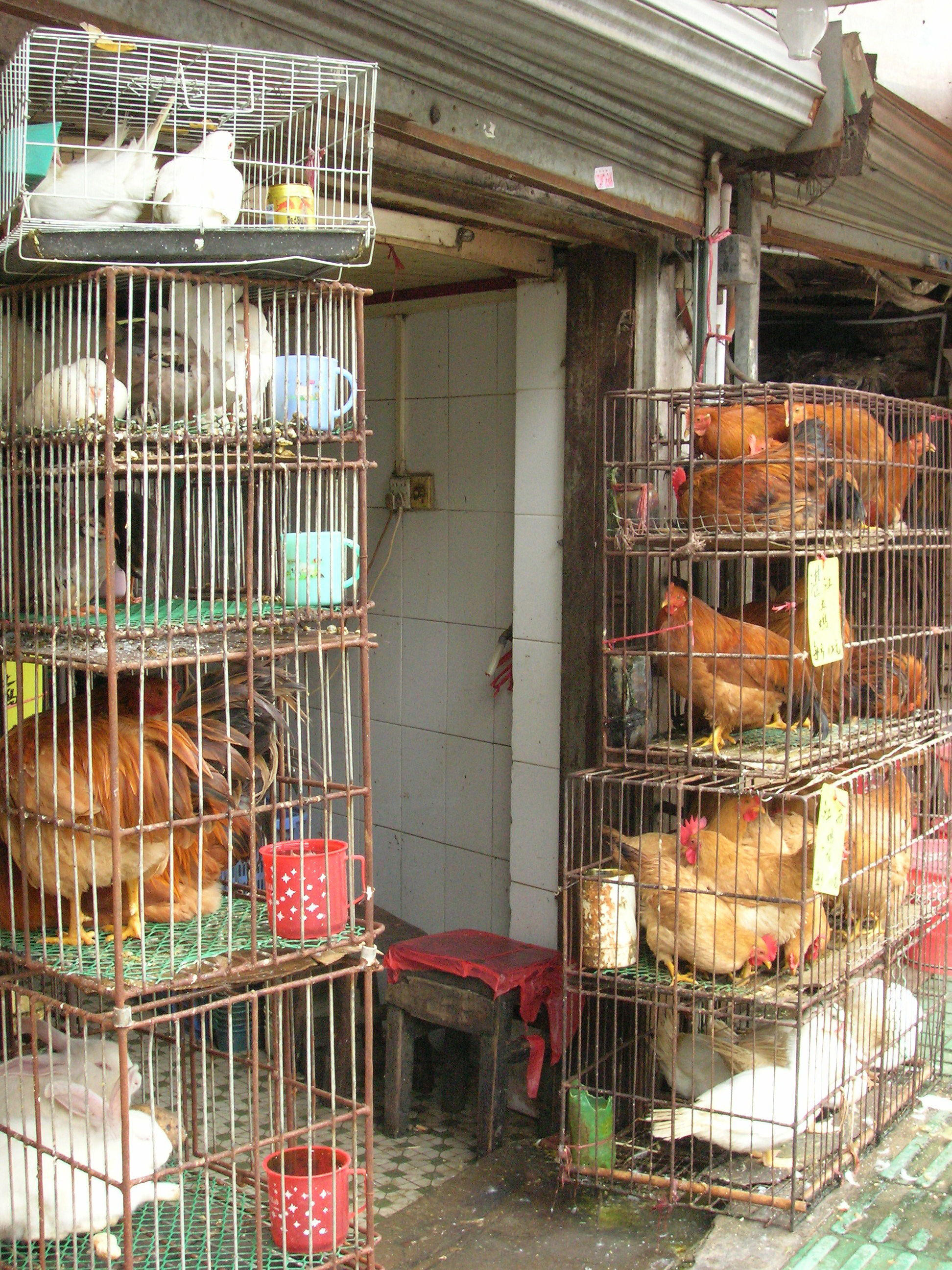
Going to the Qingping Market in Guangzhou felt like visiting an open-air art museum or zoo. There were many fascinating things to see—from barrels of carpenter ants to live scorpions used for medicinal purposes. I also strolled through the Dr. Sun Yat-sen Memorial Hall and its tranquil garden park.


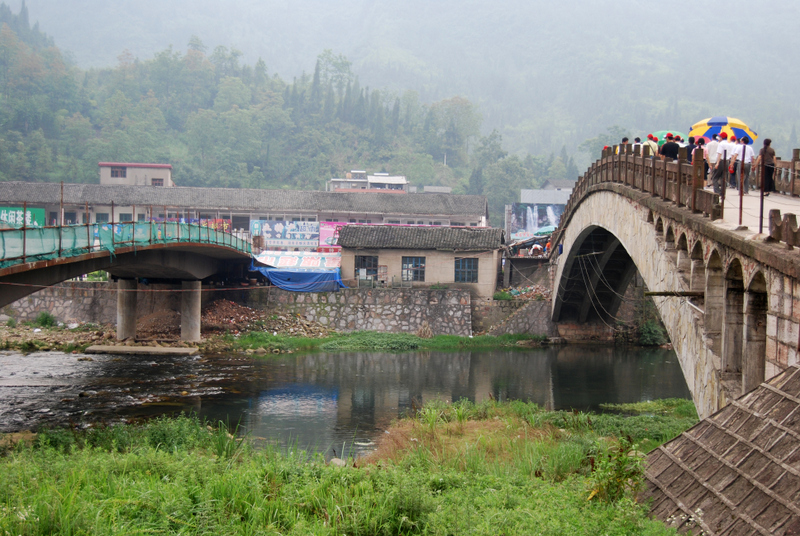
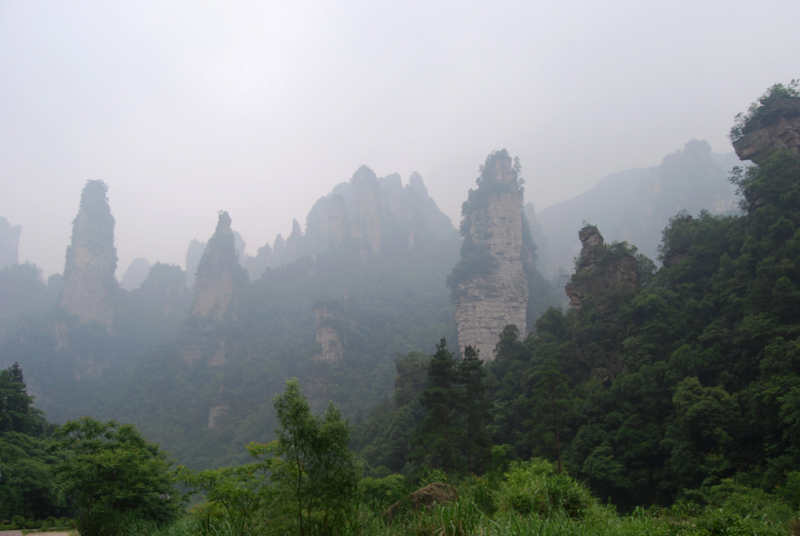
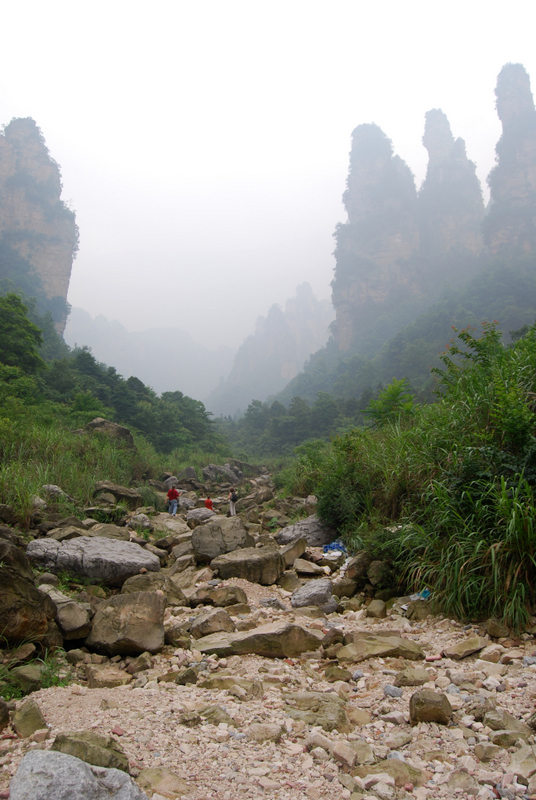
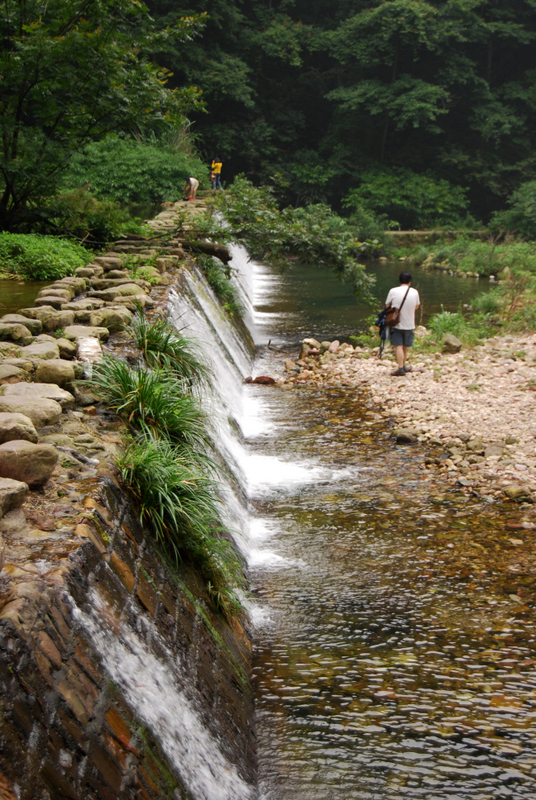
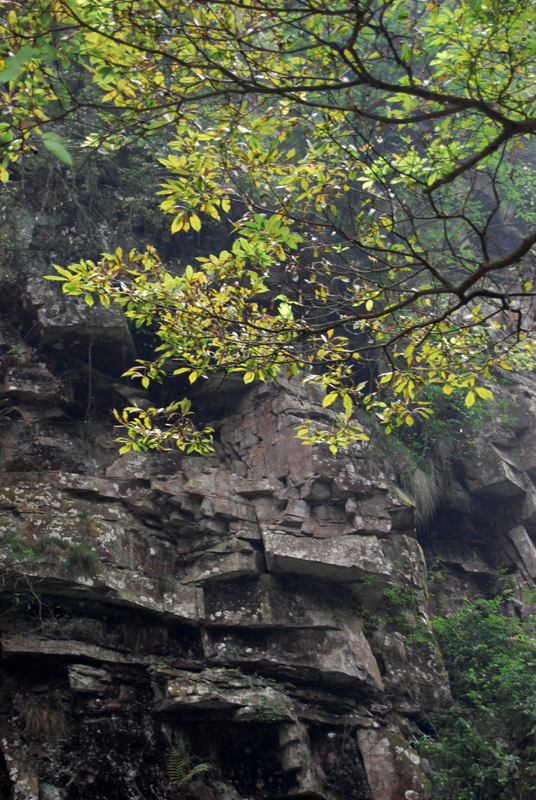
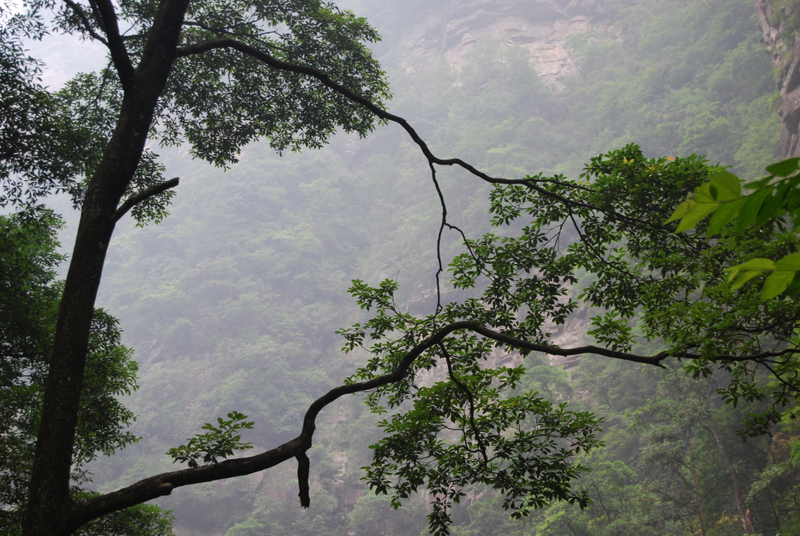
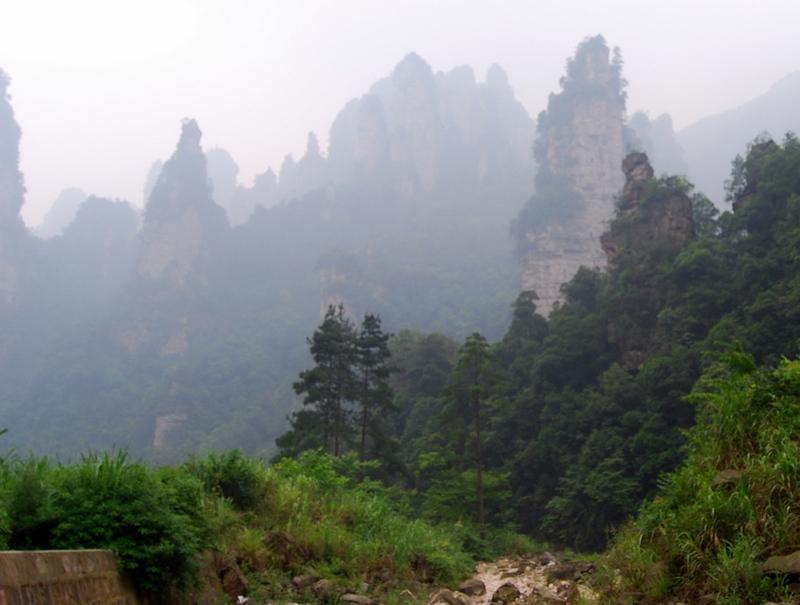
Zhangjiajie National Forest Park in Hunan Province, China
Zhangjiajie reminded me of James Cameron’s film, “Avatar”. The towering natural monuments rose over 200 meters amidst the fog, looking picturesque. The vegetation resembled that seen in traditional Chinese paintings and calligraphy. We also visited the Yellow Dragon Cave, which felt surreal—like something out of this world, perhaps what I’d imagine the surface of the moon to be.




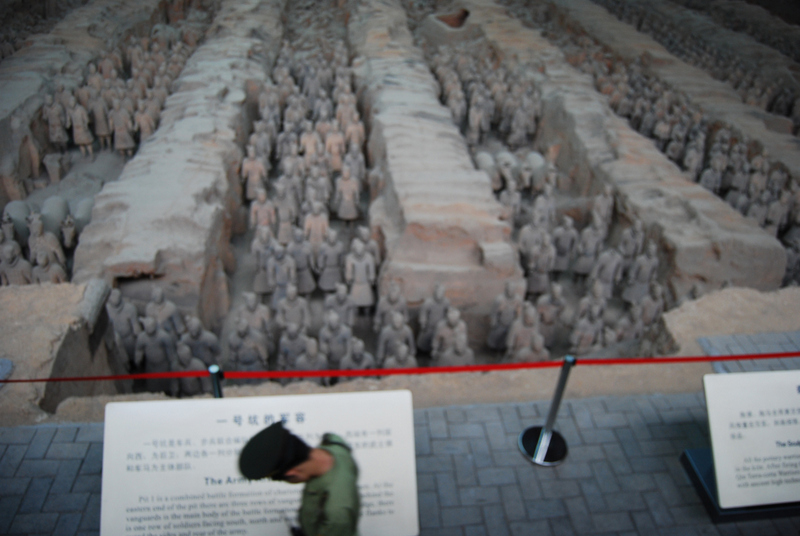
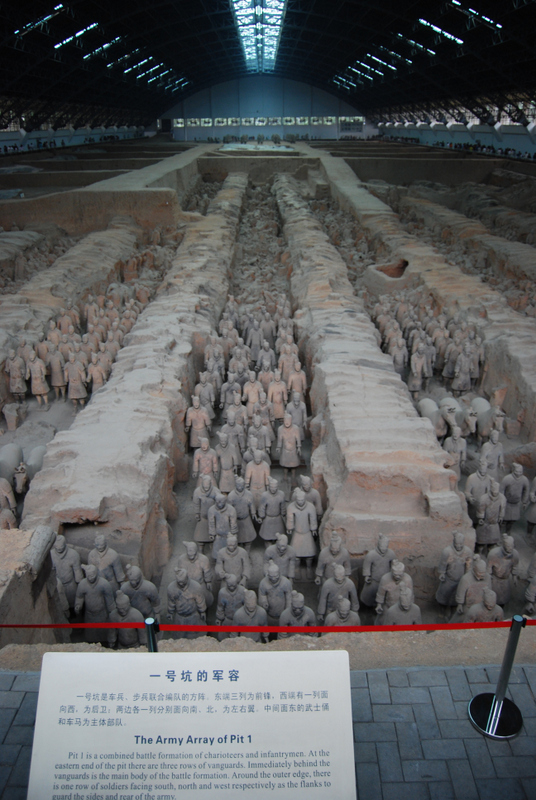
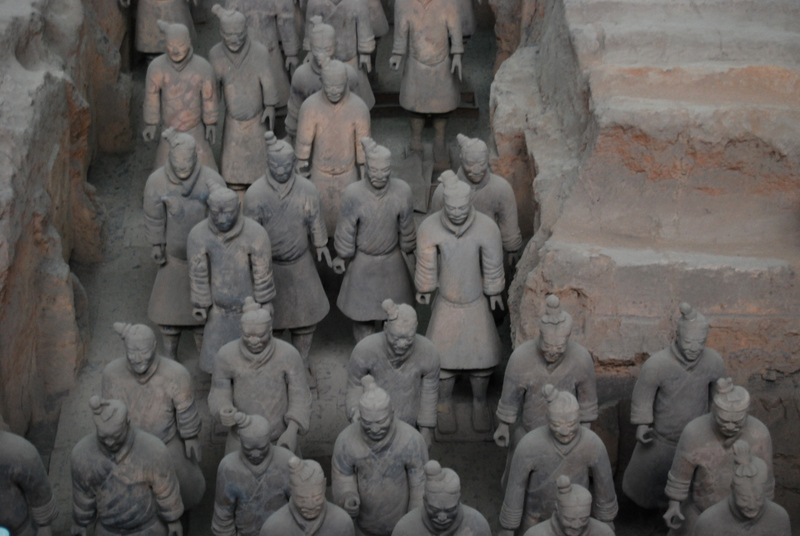
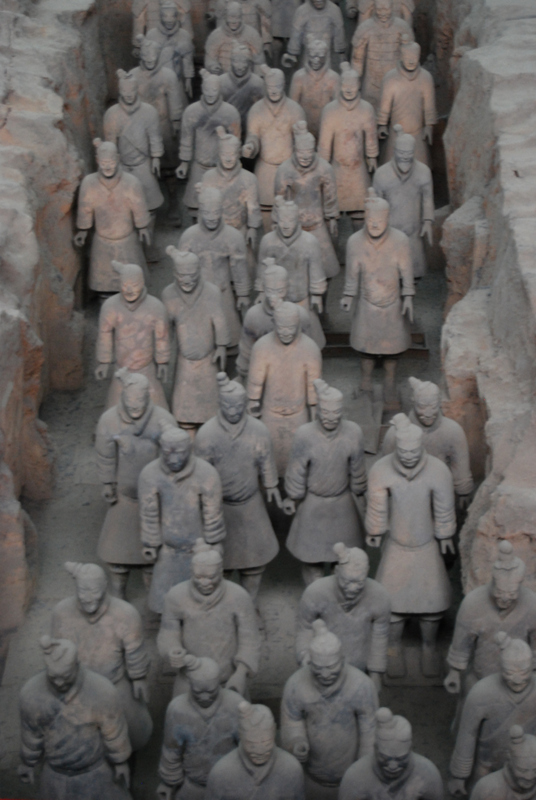
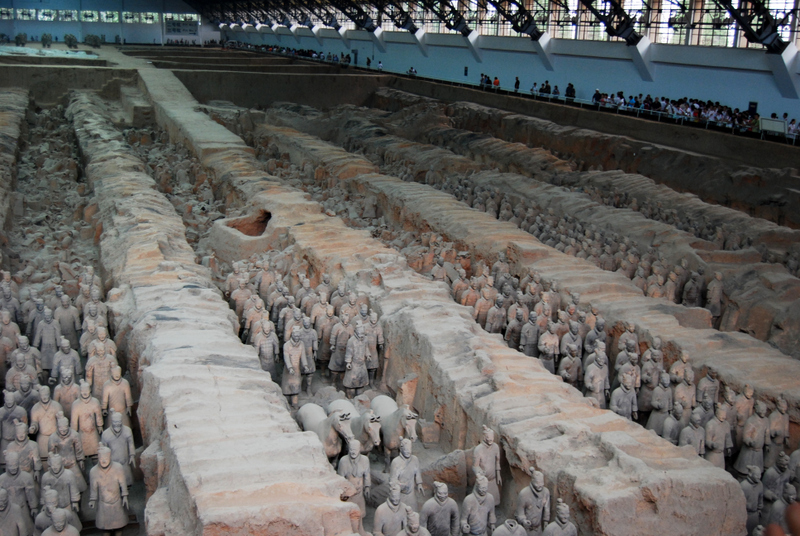
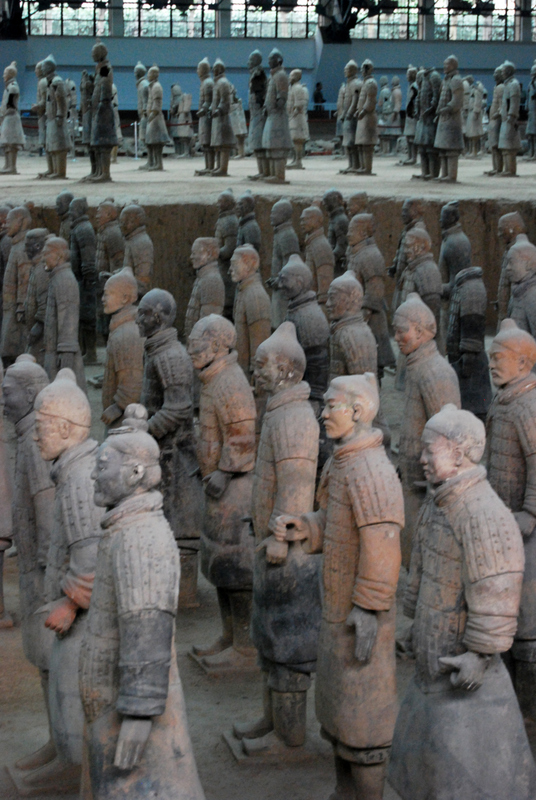
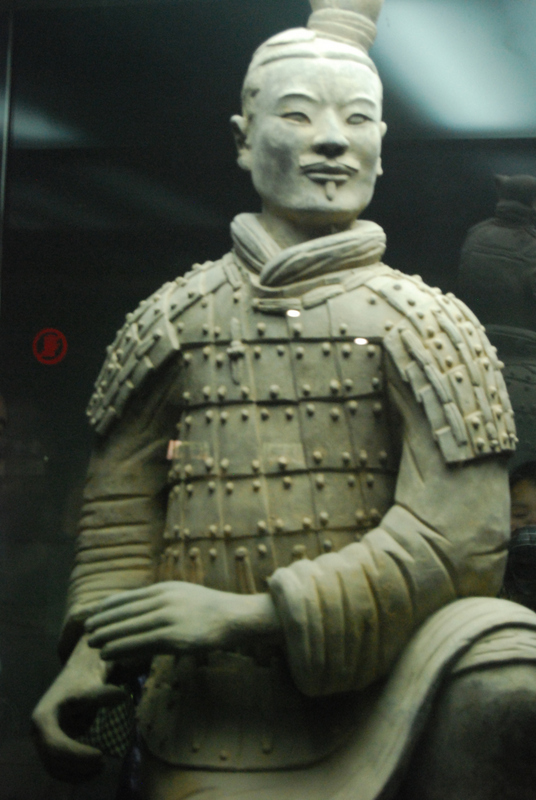
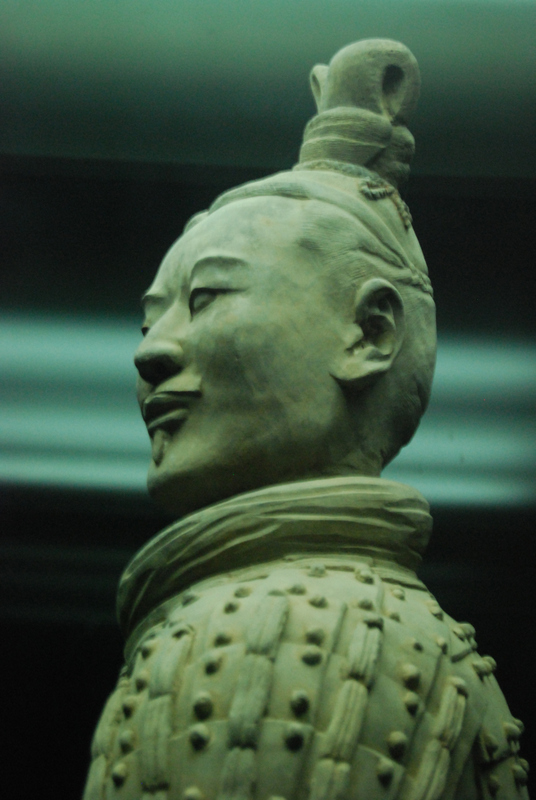
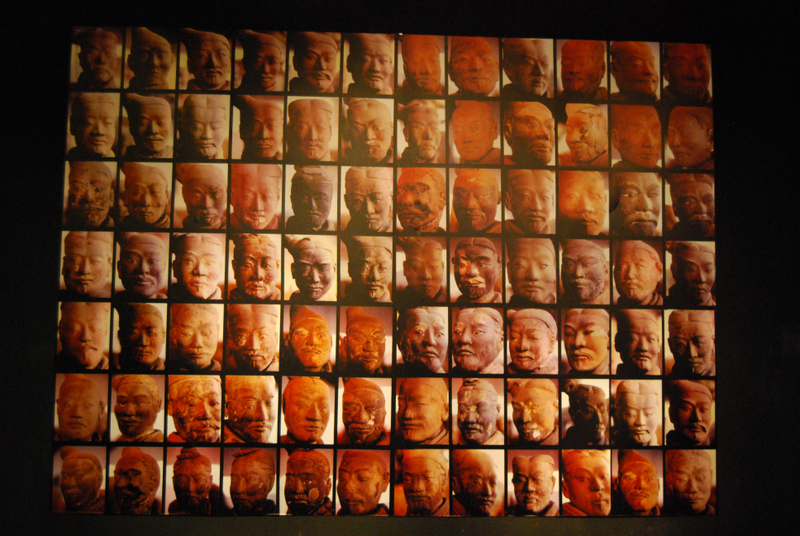
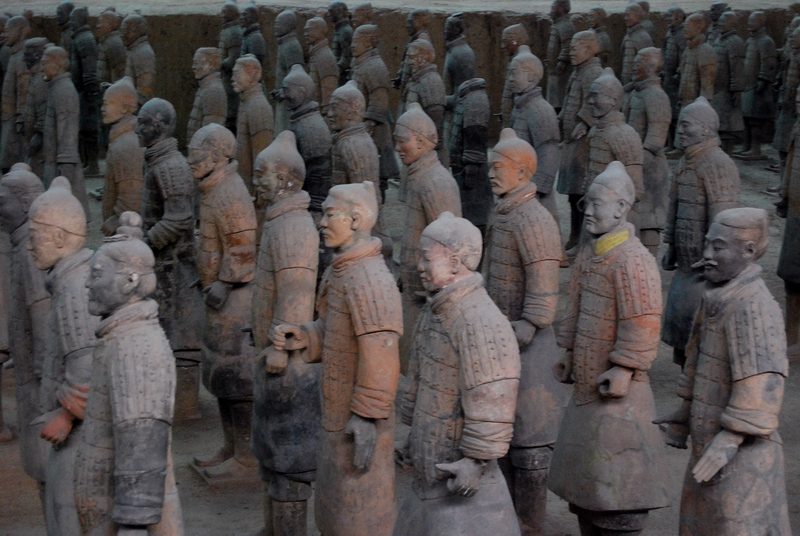
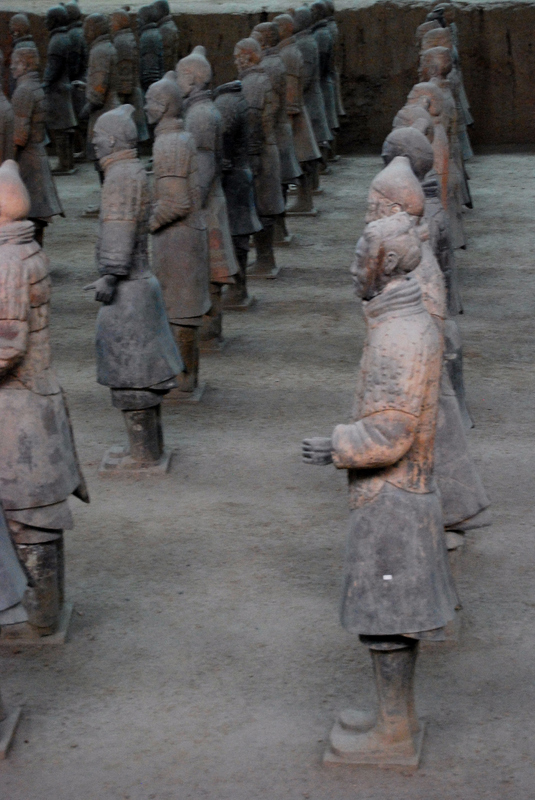
Faces of Terra Cotta Warriors in Xi’an
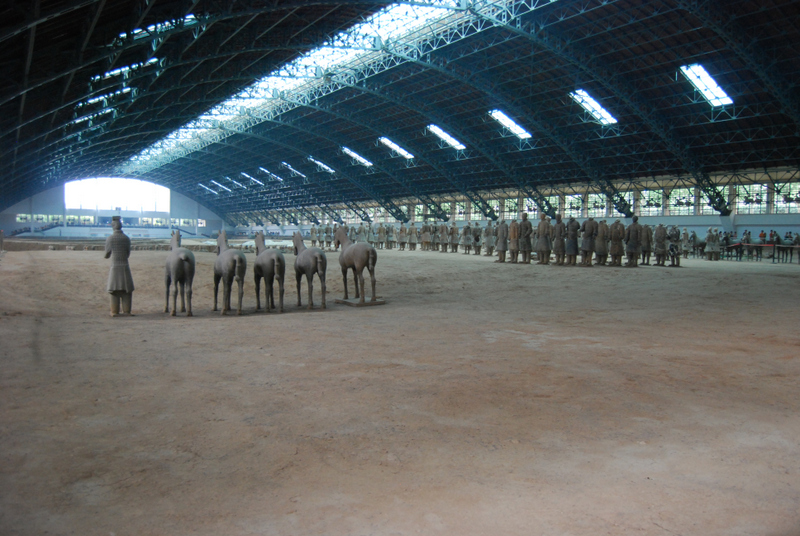
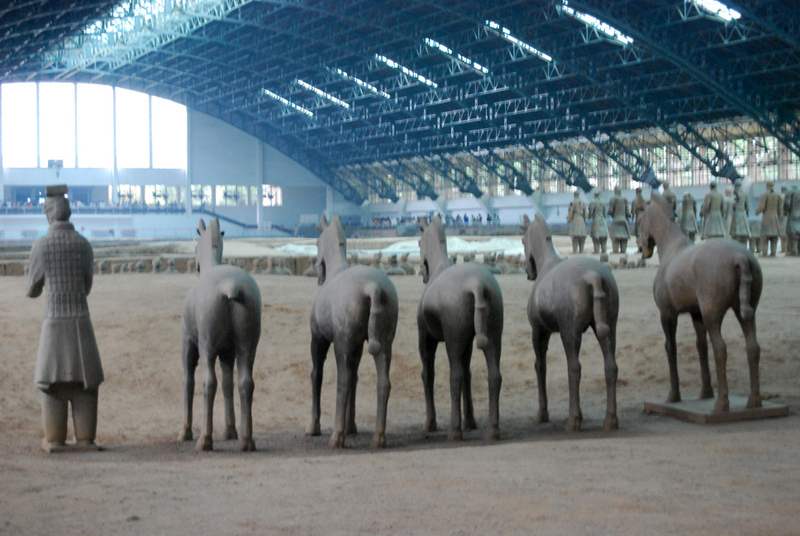
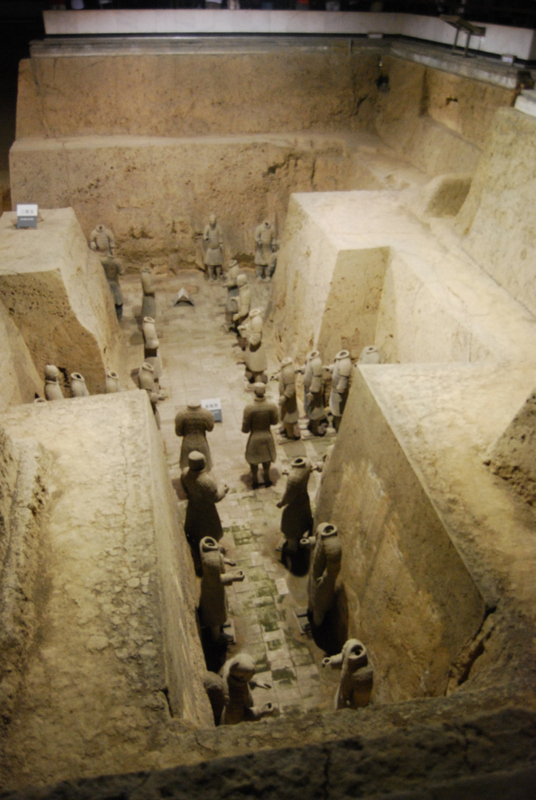
The city of Xi’an had the Terra Cotta Warriors on display. These involved life-size armies, horses and chariots of the first Emperor of China, Qin Shi Huang. There were two pits visible and only one appeared to be excavated. Preserving each model—especially the pigmentation—was paramount and required further study before further excavation could continue. Each face of these Terra Cotta Warriors was unique. It was here where I learned about how these sculptures were built, as well as the ambitions and brutality of the first Qin emperor.



Palace Museum in the Forbidden City
This palace in Beijing was home to emperors and served as China’s center of government for nearly six centuries.
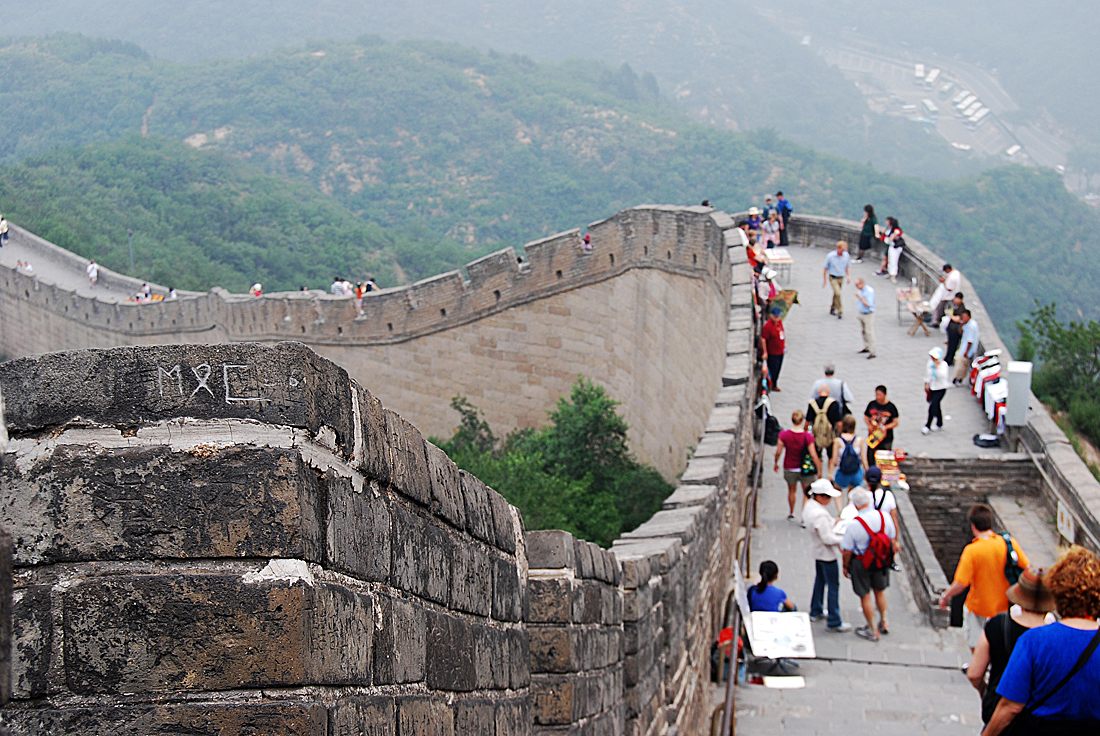
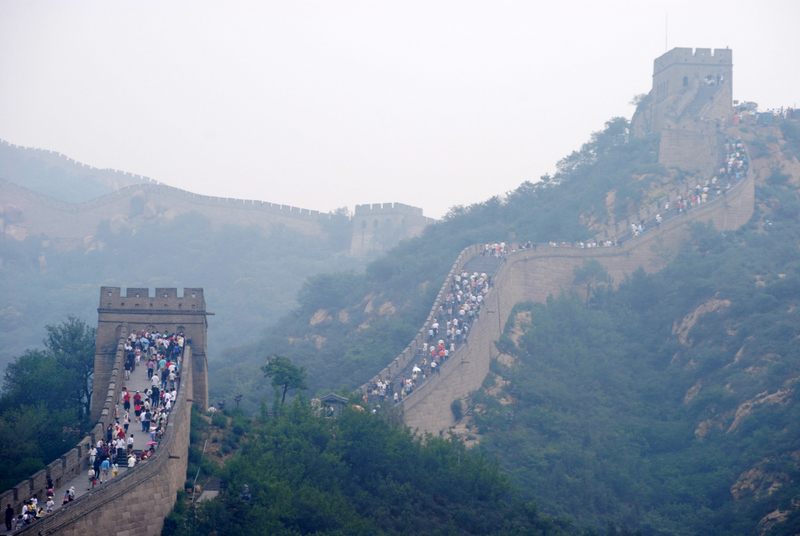
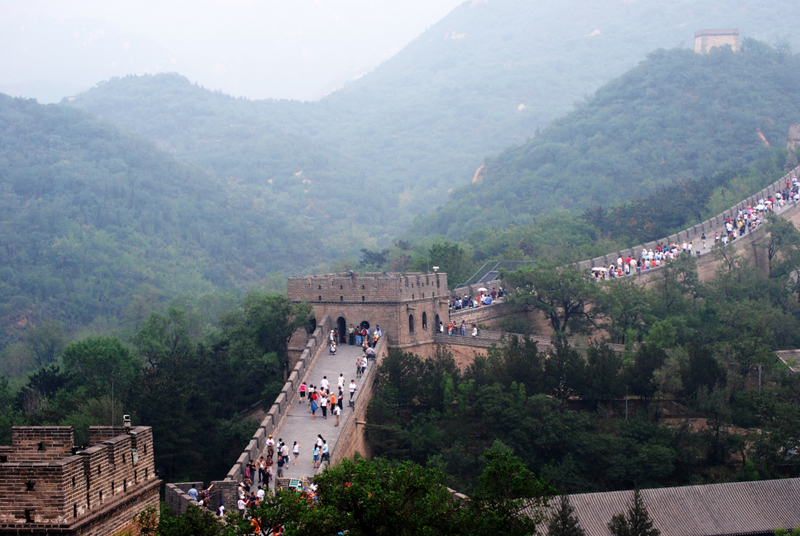
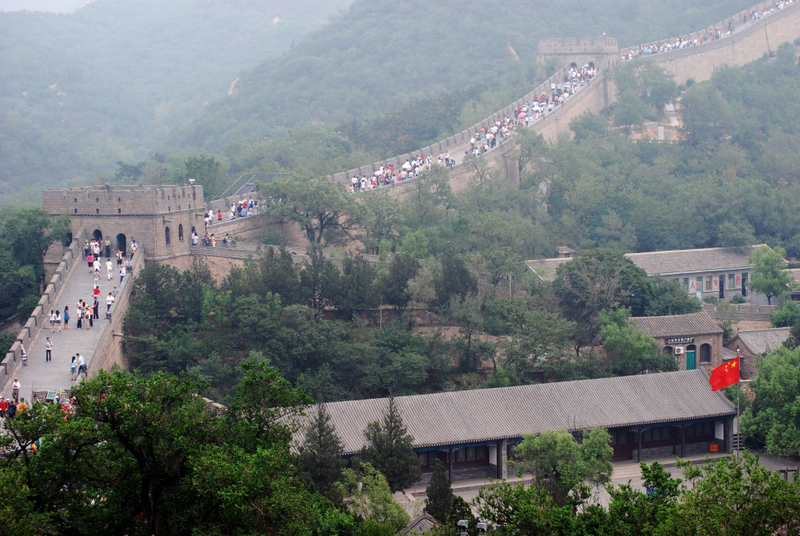
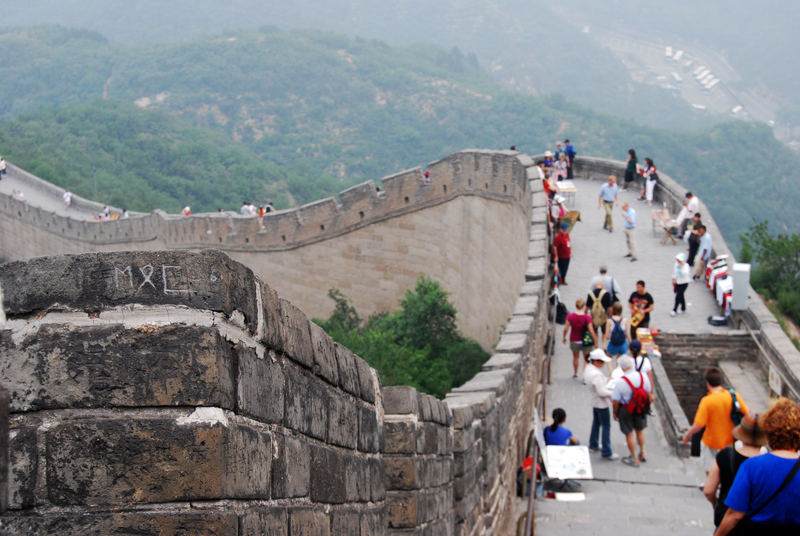
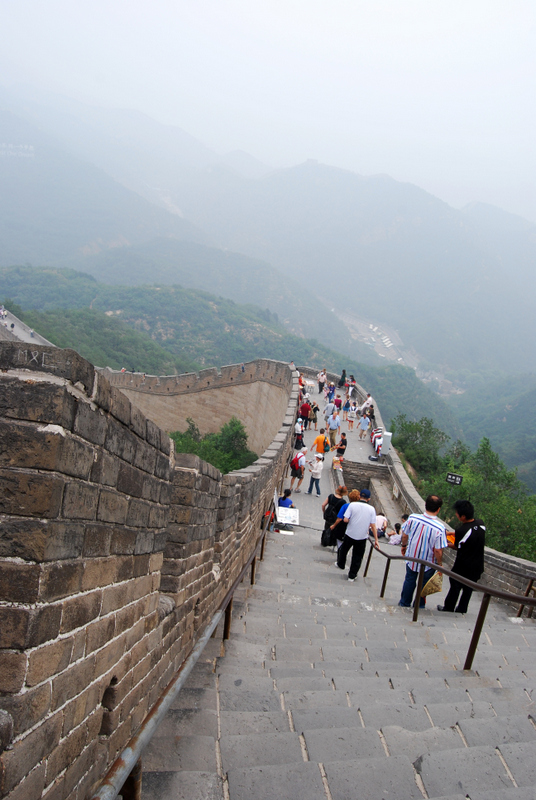
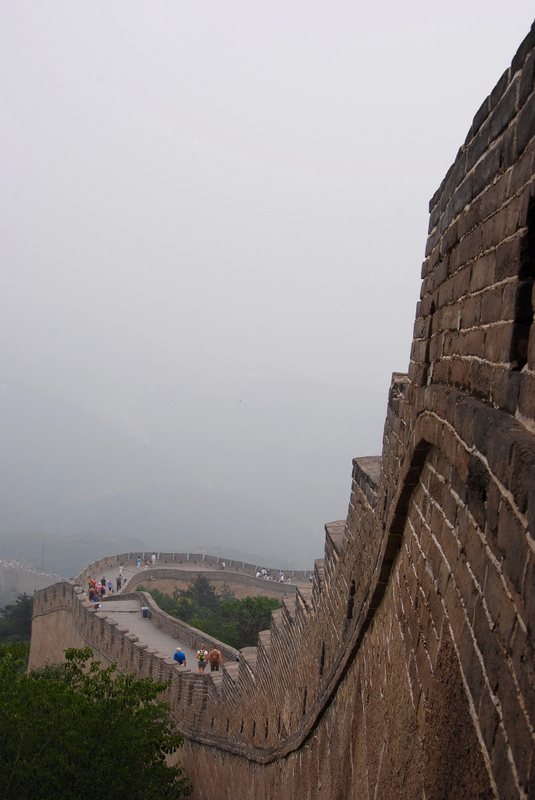
When I first saw The Great Wall of China through Beijing’s haze from a distance, I remembered my reaction and whispered to myself, “Wow” and “How”. This dragon-like, structural creature undulated with the curves and dips of the mountains. Traveling from peak to peak was a hike and a ride. Periodically, I stopped to admire the crafts of vendors along the way; I pondered these hawkers’ seasonal lifestyle—working on such a remarkably historic and challenging site.


Leave a Reply